
What the New Authority Will Do

Pakistan is preparing to switch on a dedicated regulator for social media platforms, with the federal government saying the Social Media Protection and Regulatory Authority (SMPRA) will be activated soon. Federal Minister for Information Technology Shaza Fatima Khawaja made the announcement on Thursday at the closing ceremony of Cybersecurity Awareness Week, where she said the government is moving to strengthen online regulation as cybersecurity threats keep growing.
The authority has been created under the Prevention of Electronic Crimes (Amendment) Act, 2025, and its job is to regulate social media platforms, promote online safety, and take action against unlawful content on the internet. The legal framework also provides for the enlistment — effectively the formal registration — of social media platforms operating in Pakistan, along with enforcement measures against platforms that do not comply.
According to the minister, the activation of the Pakistan social media regulator is another step in the government’s push to bring order to the digital space and deal with content that breaks the law. Its operational role, its enforcement powers, and the exact timeline for becoming fully functional will be the key factors deciding how it affects everyday social media users and digital businesses across the country.
Observers say the way the authority is set up and run in its early months will shape public confidence in it — particularly how it handles complaints, how transparent its decisions are, and how it balances the fight against unlawful content with protecting the rights of ordinary users.
Chairman Named, Full Launch Date Still Pending
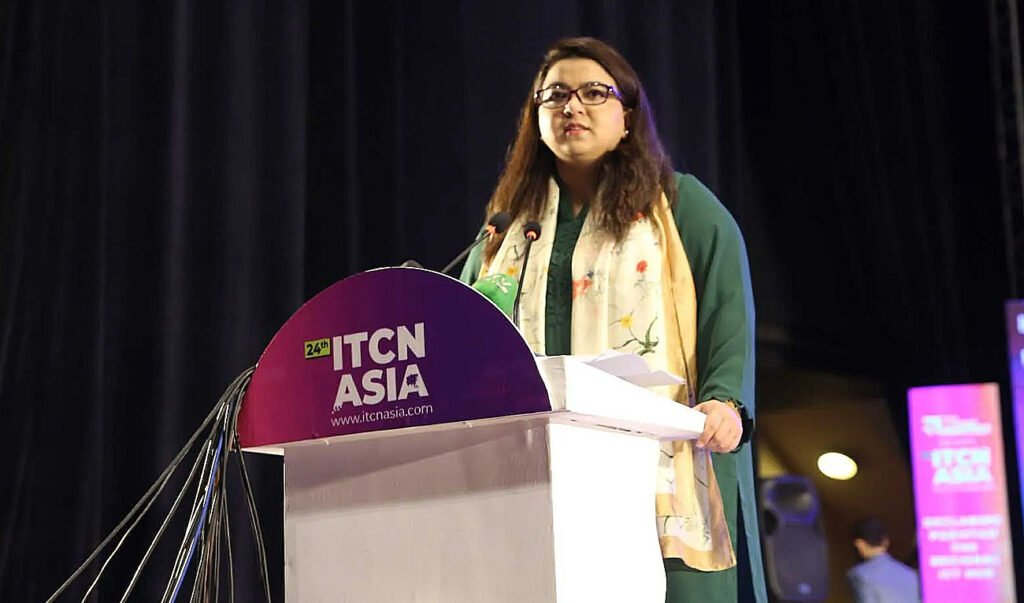
The government had already appointed Ayaz Shaukat as the first chairman of the authority in March 2026, nearly seven months before the latest announcement. However, the minister’s remarks did not include a specific date for when the SMPRA will become fully operational, leaving the implementation timeline open for now.
That missing detail matters to technology companies and digital businesses, because the authority’s rules on platform registration and compliance will directly affect how social media services operate in Pakistan. Social media users, technology firms, and digital businesses are expected to watch the rollout closely, particularly the authority’s enforcement practices and the process for handling complaints once it starts functioning.
The renewed attention on the regulator also comes at a time when debates around online content, platform accountability, and digital safety are intensifying in Pakistan. The government has repeatedly said that clearer rules for online platforms are necessary as more of public life — from business and education to politics — moves onto social media.
NCCIA Activated Against Cybercrime
In the same address, Shaza Fatima said the National Cyber Crime Investigation Agency (NCCIA) has been activated under the Prevention of Electronic Crimes Act (PECA). The agency is tasked with investigating cybercrime, including online harassment, financial fraud, identity theft, and cyberbullying — the complaints that fill up police cybercrime desks across the country.
The minister stressed that cybersecurity awareness is needed across every section of society, especially as more children start using social media and face risks such as online bullying and harassment. She urged people to be careful about what they share publicly, warning that details posted online can expose individuals and their families to fraud and other security threats.
Officials have long complained that most victims of online fraud and harassment never report their cases, partly because they do not know where to go. With the NCCIA now activated as the dedicated investigation body, the government is signalling that cybercrime complaints will have a single, specialised agency to handle them.
AI Is Making Cyber Threats Harder to Spot

A major theme of the minister’s speech was the way artificial intelligence is changing the nature of cybercrime. She warned that the rapid spread of AI tools is making threats increasingly complex, raising concerns about the safety of personal information, digital platforms, and critical infrastructure.
AI-powered tools can now be used to create convincing fraudulent messages, impersonate real individuals, and run sophisticated online scams that are far harder to detect than the crude phishing emails of the past. That makes public awareness and timely reporting of suspicious activity more important than ever, she said.
As Pakistan accelerates its digital transformation and expands its digital services, the government faces a delicate challenge: strengthening cybersecurity and online regulation while making sure enforcement is transparent and users’ rights are protected. The coming months — from the formal activation of the Pakistan social media regulator SMPRA to the first enforcement decisions it takes — will show how that balance is struck.
Source: Bloom Pakistan
Related Posts
 TechnologyPakistan Assembled 20.08 Million Mobile Phones in Nine Months — Local Plants Now Feed Most of the Market
 TechnologyMeta’s Digital Tahafuzz Summit in Islamabad: Digital Dialogues in Real Life Launched for Teen Online Safety
 TechnologyBinance Founder Changpeng Zhao Says Pakistan Can Become a Major Crypto Hub by 2030
 TechnologyGoogle Gemini 4 Carbon: New AI Model for Cybersecurity, Release Date and Pakistan Angle
 TechnologySamsung W27 China Launch: Gold Luxury Foldable Based on the Galaxy Z Fold 8 Ultra
 TechnologyPakistan’s National Chat App on ICP: What It Is, How It Works and What It Means for 100 Million Users
Most Popular
 How-ToPTA Tax Calculator 2026: Check Mobile Tax on Any Phone314 views
 SportsBallon d’Or 2026: London Ceremony, Nominees and All-Time Records Ahead of 70th Anniversary305 views
 SportsUEFA Champions League 2026-27: Format, Teams and Schedule305 views
 Canada JobsTech Jobs in Canada: Roles, Salaries, and Skills Needed288 views
 Pakistan NewsPIA Boeing 787 Lease Deal: What It Means for the Airline287 views
 TechnologyRedmi K100 Launching on 28 October: 10,000mAh Battery, 185Hz Display and Full Specs281 views