The Federal Board of Revenue has given manufacturers in five sectors more time to install video surveillance systems at their production facilities. The deadline under Sales Tax General Order No. 27 of 2026 has moved from 15 October 2026 to 31 October 2026, giving affected businesses a short final window to complete their installations.
The extension was made through a letter dated 21 October 2026. It does not change the rest of the order. The equipment, the sectors and the monitoring requirements set out in the original order remain exactly as they were, and only the installation date has shifted.
For manufacturers who were still arranging vendors, cameras and network links in mid-October, the change matters because the new date falls on Saturday, 31 October 2026. Businesses that have not yet finished the work will need to plan around that date rather than assume a further extension, as no later date has been announced in the letter.
What changed under STGO 27
STGO 27 of 2026 was issued on 7 October 2026. It introduced electronic monitoring of production in selected manufacturing sectors, with video surveillance systems installed at production facilities and access for the Federal Board of Revenue to live and recorded footage.
The original installation date in the order was 15 October 2026. The letter dated 21 October 2026 extends that date to 31 October 2026. The letter states clearly that the remaining terms and conditions of the order shall remain the same, so the extension is a change of timing only, not a change of scope.
This is an important distinction for readers. The extension does not remove the monitoring requirement, narrow the sectors covered, or change the type of equipment required. It simply gives the affected manufacturers until the end of October to put the system in place.
Which sectors are covered
The order covers manufacturing in five sectors: packaged tea, household electronics, paper and paperboard, edible oil and ghee, and leather. These are the sectors named in the original order and repeated in the reporting of the extension.
The focus is on production facilities in those sectors. The surveillance system is meant to monitor production processes, not office areas or unrelated parts of a business, and it forms part of a wider move towards electronic production monitoring by the tax authorities.
Manufacturers outside these five sectors are not covered by STGO 27 itself. A separate order, STGO 30 of 2026, deals with textile spinning units and a different deadline in November, and that order should not be confused with this one.
What equipment must be installed
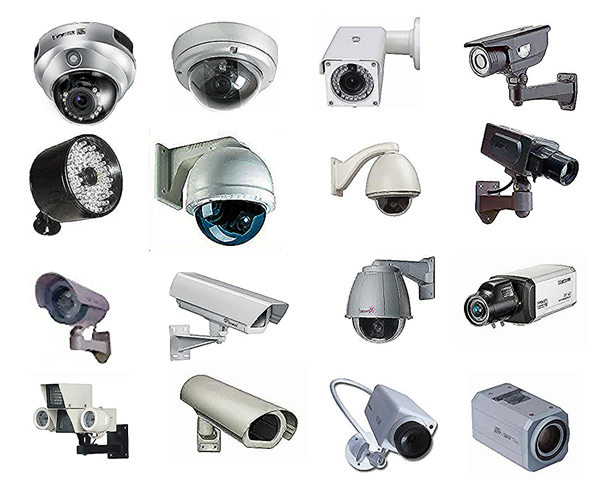
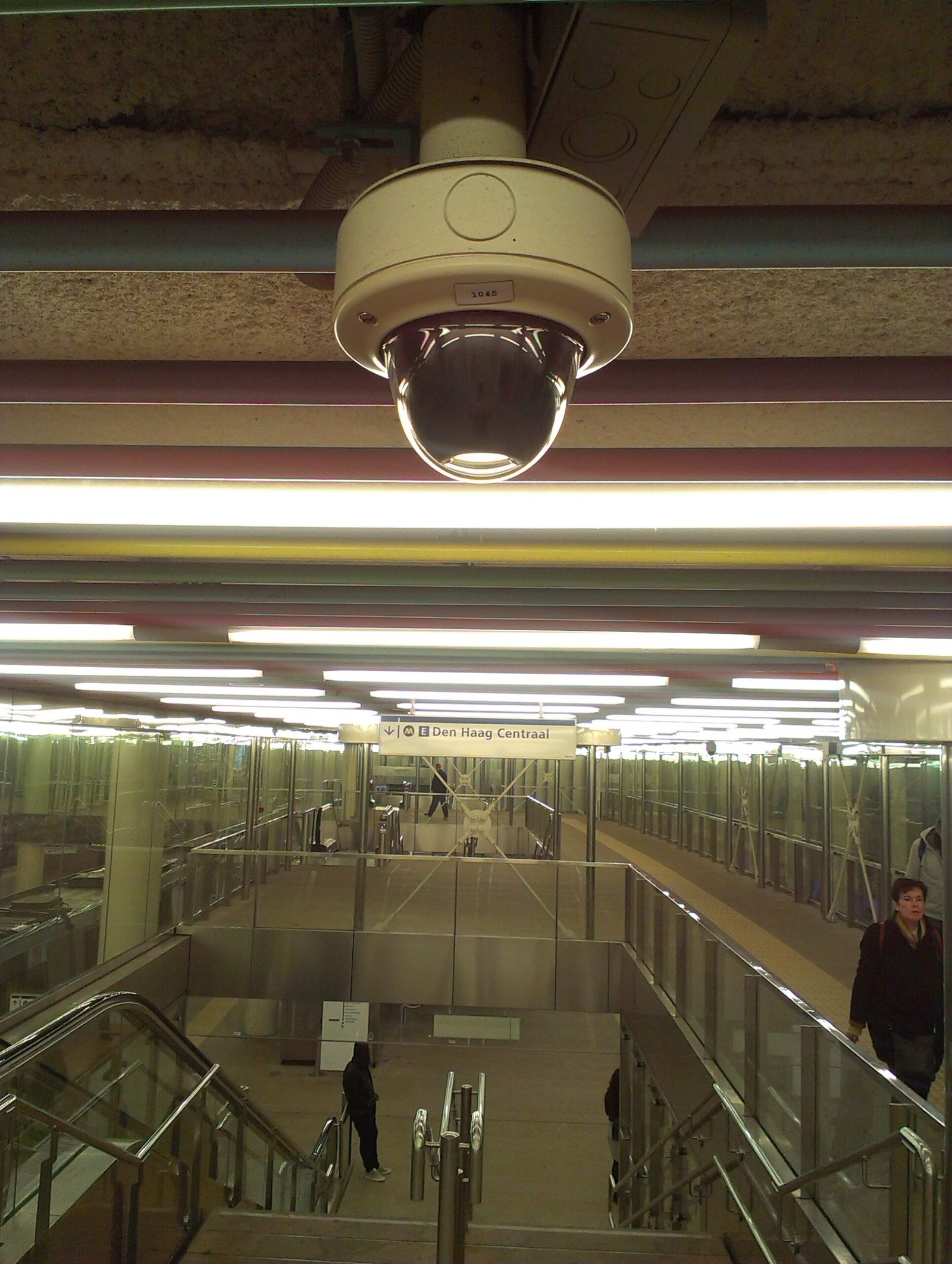
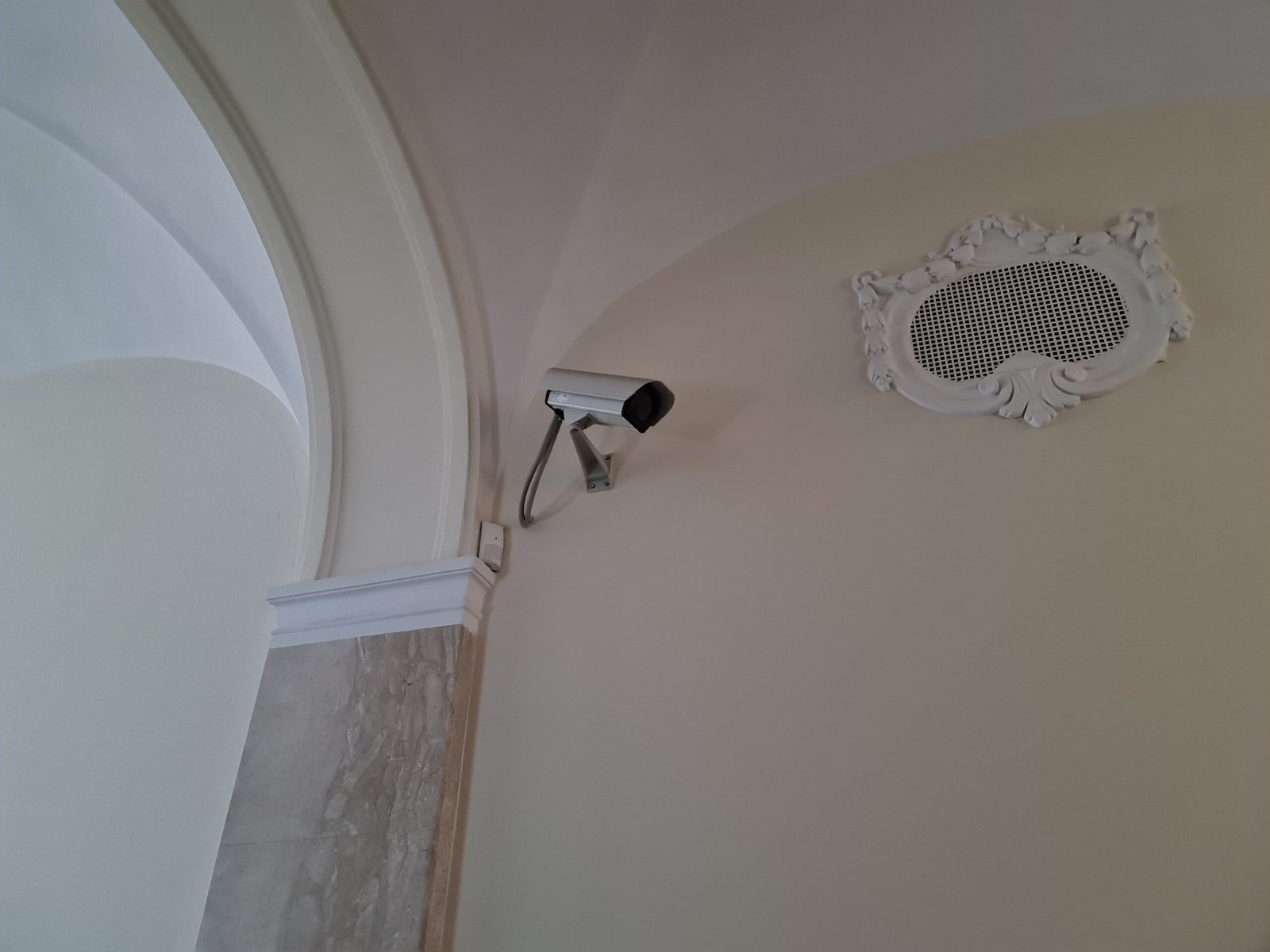
Under STGO 27, the FBR authorised four vendors to install and operate electronic production-monitoring equipment at manufacturing facilities in the covered sectors. The system is based on Internet Protocol cameras and Network Video Recorders.
The recorders must hold at least two months of recordings. The cameras are meant to monitor production continuously and in real time, and the FBR is to have access to live feeds and recorded footage under the prescribed requirements.
In practical terms, this means an affected manufacturer needs a system supplied through the authorised vendor route, with cameras placed to cover production, a recorder with enough storage for two months of footage, and a connection that allows the Board to view live and recorded material as set out in the order.
Who received the extension letter
The extension letter was signed by Khalid Mehmood, Second Secretary (ST-L&P), at the Federal Board of Revenue. It was addressed to the Chief Commissioners Inland Revenue of the Large Taxpayers Offices, Corporate Tax Offices and Regional Tax Offices.
Copies were also sent to senior FBR officials, including the Member (IR-Operations), Member (IR Policy), Member (Strategic Transformation) and Member (Administration), the Director General for Information Technology and Digital Transformation, the Chief of the Transformation Delivery Unit, and the authorised vendors listed in the order.
The letter was also marked for the FBR webmaster for uploading, which is how the document reached the Board’s public downloads. The letter itself is short: it refers to the original order dated 7 October 2026, extends the installation date to 31 October 2026, and leaves all other terms unchanged.
What stays the same
Nothing else in STGO 27 changes with this letter. The five sectors remain the same, the authorised vendor arrangement remains the same, and the requirement for IP cameras and Network Video Recorders with at least two months of storage remains the same.
The FBR’s access to live feeds and recorded footage also remains as set out in the original order. Manufacturers should therefore not treat the extension as a relaxation of the monitoring rules. It is a new deadline for the same requirement.
Readers should also keep this order separate from two other FBR deadlines that fall on 31 October 2026. The income-tax return deadline, extended under a separate circular, is a different matter for individual and corporate filers, and the iron-and-steel production-monitoring tender schedule, with its staged coverage percentages through December, is a separate programme. Neither changes the STGO 27 surveillance deadline.
What manufacturers should do now
For a manufacturer in one of the five covered sectors, the practical steps before 31 October are straightforward. Confirm that the chosen vendor is on the authorised list in STGO 27, confirm that the cameras and recorder meet the order’s requirements, and confirm that recordings are being stored for at least two months.
Businesses that have already installed a system should check that it is working, that footage is being recorded and stored, and that the live feed arrangement is in place as required. Businesses that have not yet installed a system should move quickly, because the remaining time is measured in days, not months, and vendor scheduling, installation and testing all take time.
Because the letter does not set out penalties for missing the new date, this article does not invent any. Affected businesses that are unsure about their position should check the FBR letter and the original order directly, or seek professional tax advice on their own circumstances, rather than rely on general reporting alone.
The bottom line is simple: the surveillance requirement under STGO 27 is unchanged, but the installation deadline is now 31 October 2026. For manufacturers in packaged tea, household electronics, paper and paperboard, edible oil and ghee, and leather, that date is the one to work towards.
Related Posts
 BusinessSECP AGM Deadline 2026
 BusinessSBP Raises Policy Rate to 12%: First Hike Since April as Inflation Stays Above Target
 BusinessGeely Pakistan Launch: Bestway Brings EX2, EX5 and Starray to Pakistan
 BusinessAskari Bank × Nium Brings Real-Time Cross-Border Payments for DHA Islamabad–Rawalpindi Customers
 BusinessGovt Bans Manual Detection Bills: DISCOs Ordered to Bill Consumers Through Online Portal Only
 BusinessPakistan Weekly Inflation Jumps to 11.85% as LPG Prices Soar 22.44% in a Week
Most Popular
 SportsBallon d’Or 2026: London Ceremony, Nominees and All-Time Records Ahead of 70th Anniversary296 views
 How-ToPTA Tax Calculator 2026: Check Mobile Tax on Any Phone296 views
 Pakistan NewsPIA Boeing 787 Lease Deal: What It Means for the Airline279 views
 SportsUEFA Champions League 2026-27: Format, Teams and Schedule277 views
 TechnologyRedmi K100 Launching on 28 October: 10,000mAh Battery, 185Hz Display and Full Specs275 views
 Canada JobsTech Jobs in Canada: Roles, Salaries, and Skills Needed268 views