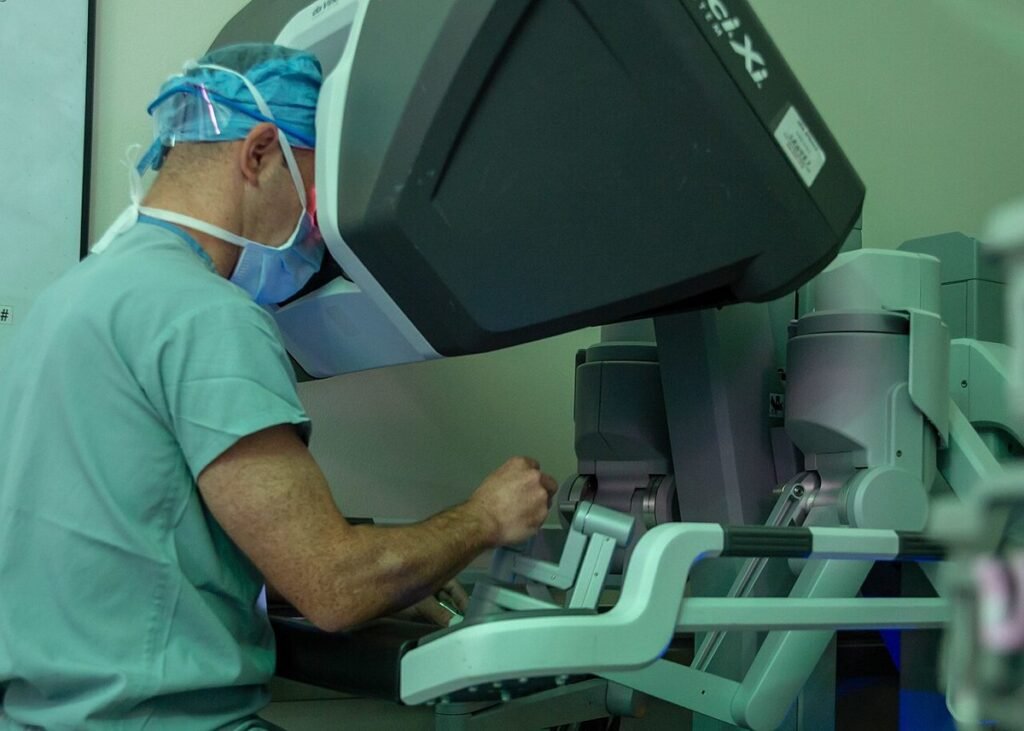
Imagine a hospital where medical students first practise on virtual patients, where teams of AI doctor agents debate a diagnosis before a human physician makes the final call, and where specialist expertise can reach a primary care clinic hundreds of miles from a big city hospital. That is the vision behind a new partnership that could bring a Pakistan first AI hospital into being, after Riphah International University joined hands with Chinese healthcare technology company Tairex.
The news broke at a launch event in Beijing on 21 October, where Tairex chief marketing officer Li Zheng said the company is developing a strategic partnership with Riphah International University to introduce its Agent Hospital system to Pakistan. The plan, reported on 23 October, is not a hospital with its doors already open. It is a proposed first step: Riphah hopes to establish what would be the country’s first AI hospital, built around Tairex’s technology. No opening date and no Pakistani location have been announced yet, and that honesty matters, because the story here is a serious partnership taking shape, not a finished building.
For a country where healthcare is under real strain, the idea lands at an important moment. Pakistan’s public health expenditure was just 0.8 percent of GDP in fiscal 2024-25, according to the Pakistan Economic Survey 2025-26, and access to quality facilities remains uneven. If AI can help train more doctors, support sharper diagnoses and stretch specialist expertise further, it is easy to see why a university would want to be first.
What the Riphah-Tairex partnership will cover
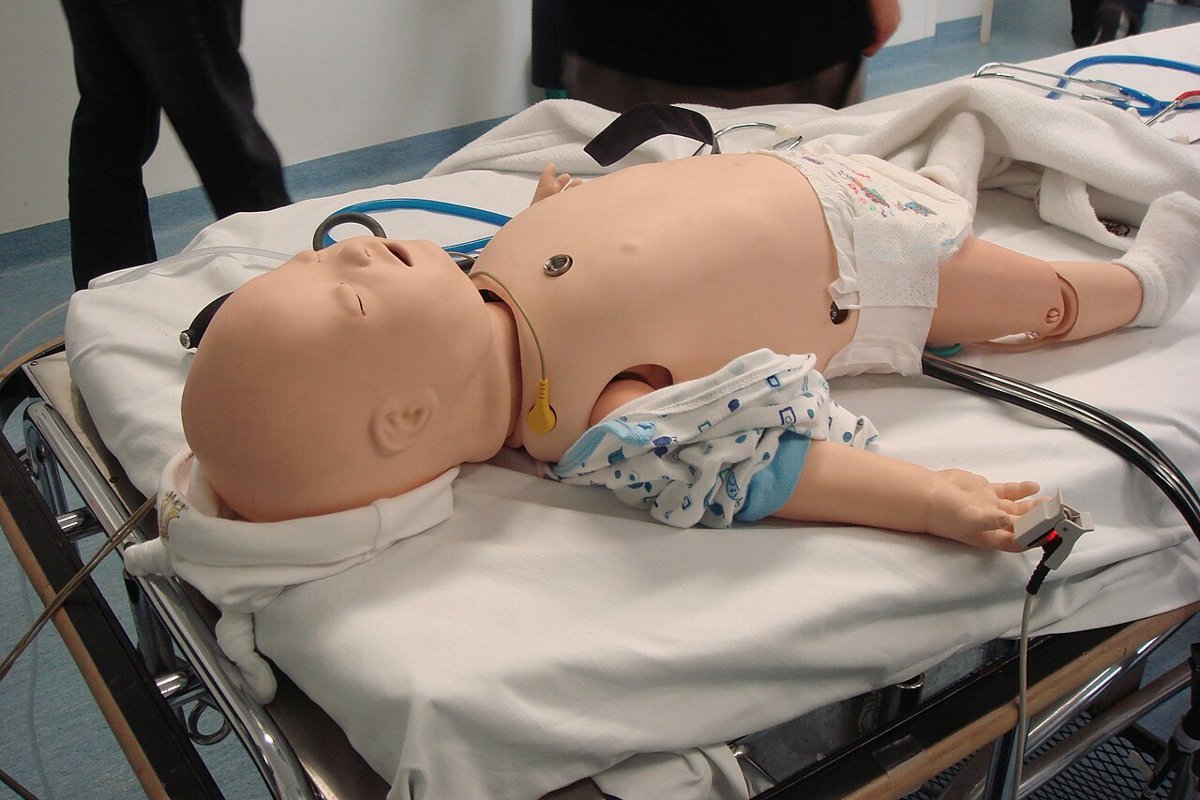
The proposed cooperation between Riphah and Tairex covers three areas: medical education, clinical diagnosis and research. In practice, that means virtual consultation rooms where students and doctors can train, AI-assisted clinical decision-making tools for real cases, and patient follow-up studies that track how treatment works over time.
Riphah Chancellor Hassan Muhammad Khan welcomed the partnership in a video message at the Beijing event, praising the Chinese company’s technical capabilities and its focus on practical healthcare problems. “Together, we shall explore how AI can serve primary care, medical education and research, and build a new model of healthcare,” he said. That phrase, “a new model of healthcare”, is the ambition in a sentence: not simply buying software, but rethinking how doctors are trained and how patients are looked after.
The partnership also builds on groundwork already laid. The Pakistan first AI hospital proposal starts with education for a reason: the programme follows a three-day intensive AI training session held for faculty in August 2026, so Riphah’s teaching staff have already begun working with AI tools before this larger hospital project was announced. For students, that could mean AI enters the classroom first, and the clinic second, which is a sensible order for technology that deals with people’s health.
How the Agent Hospital system and its AI doctor agents work
Tairex is an AI healthcare company incubated by Tsinghua University’s Institute for AI Industry Research, one of China’s leading AI research centres. Its Agent Hospital system uses virtual patients to train medical professionals and AI doctor agents to assist physicians in real clinical settings. The key word is assist. The system is designed to support, rather than replace, human doctors, who retain responsibility for medical decisions.
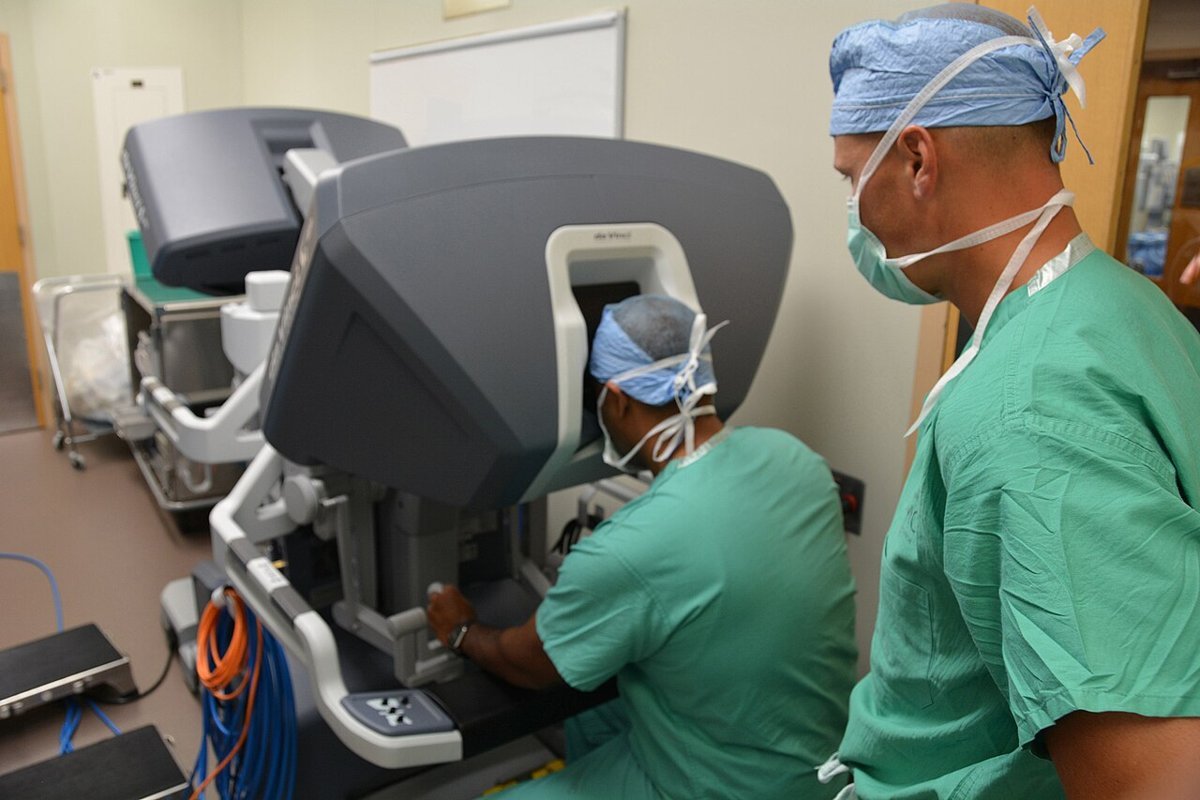
Tairex has also launched a multi-agent collaboration system in which specialised doctor avatar agents work as a coordinated virtual team. When a patient’s condition spans several specialties, the system can activate the relevant agents at the same time, present their reasoning and evidence on one interface, and flag disagreements for the human physician to review. In one illustrative case shared by the company, an endocrinology agent’s suggestion of a beta-blocker for a patient with palpitations and a history of asthma was challenged by a respiratory medicine agent, which warned that a non-selective beta-blocker could trigger breathing problems and suggested a selective alternative instead. It is a neat example of why a second, third or fourth opinion, even a virtual one, can catch risks a single view might miss.
For a Pakistan first AI hospital, where specialist doctors are concentrated in big cities, that team-of-agents model is the most interesting part of the story. If AI agents modelled on specialists can support several departments at once, and potentially reach primary care facilities, high-quality medical input could travel much further than the specialists themselves. That is the promise, at least, and it will need careful testing before anyone relies on it for real patients.
Why Pakistan needs this, and what to watch next
The case for a Pakistan first AI hospital rests on problems everyone recognises. Funding is tight, facilities are unevenly spread, and patients outside major cities often wait longest for specialist care. AI will not fix funding on its own, and no one should pretend otherwise. But better training, faster access to specialist-style input and more consistent follow-up could each make a real difference at the margins, and margins matter in healthcare.
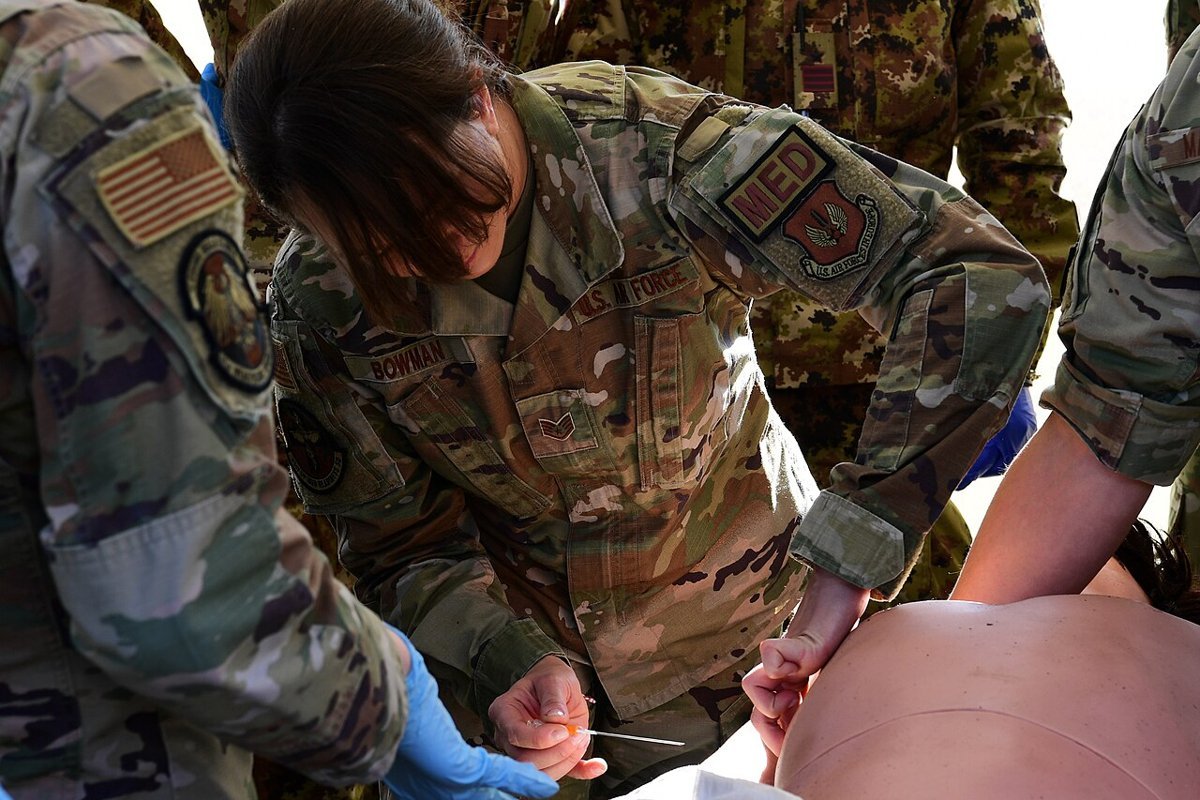
There are also fair questions to ask as this Pakistan first AI hospital plan develops. When will a pilot begin, and where? How will patient data be protected when AI systems handle medical records? How will the virtual patients and AI agents be tested against Pakistani clinical conditions, languages and disease patterns? And how will regulators judge a system in which an AI agent suggests and a human doctor decides? None of these questions has a public answer yet, because the partnership is at the announcement stage. Watch for a pilot site, a timeline and a training rollout: those three details will show whether this becomes a working hospital project or stays a memorandum of understanding.
It is also worth placing the story in Pakistan’s wider AI moment. AI tools are already reaching Pakistani users at pace, from ChatGPT advertising arriving in Pakistan to the rapid expansion of digital infrastructure such as 5G networks across 24 cities. Healthcare may be where AI’s impact is felt most personally, because it touches the moment a family needs a doctor and cannot find one. A Pakistan first AI hospital, if it is built carefully and honestly, could be the project that shows what that future looks like.
For now, the right way to describe the Pakistan first AI hospital plan is exactly how it was announced: a Pakistani university eyeing a first, with a capable Chinese partner, a system already built, and a great deal of work still to do. That is still a story worth watching, because the first hospital of any new kind is never just a building. It is a test of whether a new idea can survive contact with real patients, real doctors and real constraints, and Pakistan’s health system is exactly the place where that test matters most.
Sources: international news reports on the Beijing launch event, 21-23 October 2026. This article is original reporting and analysis; no opening date or location has been announced for the proposed hospital.
Related Posts
 TechnologyOnePlus Ace 7 Pro: Launch Date, Built-In Cooling Fan, Specs and Expected Price in Pakistan
 TechnologyGTA 6 Launch Trailer: Release Date, Platforms and What the Final Trailer Shows
 TechnologyPakistan Warns UN: Military AI Without Human Control Risks Faster, Deadlier Wars
 TechnologyHonor 400 Price in Pakistan: Expected Price, 200MP Camera Specs
 TechnologyGoogle Pixel 9a Price in Pakistan: Specs, Camera and Review
 TechnologyGoogle Pixel 10 Pro Price in Pakistan: Non-PTA and PTA Prices
Most Popular
 How-ToPTA Tax Calculator 2026: Check Mobile Tax on Any Phone267 views
 SportsBallon d’Or 2026: London Ceremony, Nominees and All-Time Records Ahead of 70th Anniversary255 views
 TechnologyAround 20 Pakistani Tech Companies Showcase Innovation at TechCrunch Disrupt 2026 in San Francisco250 views
 TechnologyRedmi K100 Launching on 28 October: 10,000mAh Battery, 185Hz Display and Full Specs240 views
 Canada JobsTech Jobs in Canada: Roles, Salaries, and Skills Needed240 views
 TechnologyPaklaunch UNConference 26.2 New York: Pakistani Founders Meet 80 Global Investors at the Yale Club236 views