Sehat Card 2026: How to Check Eligibility and Use It
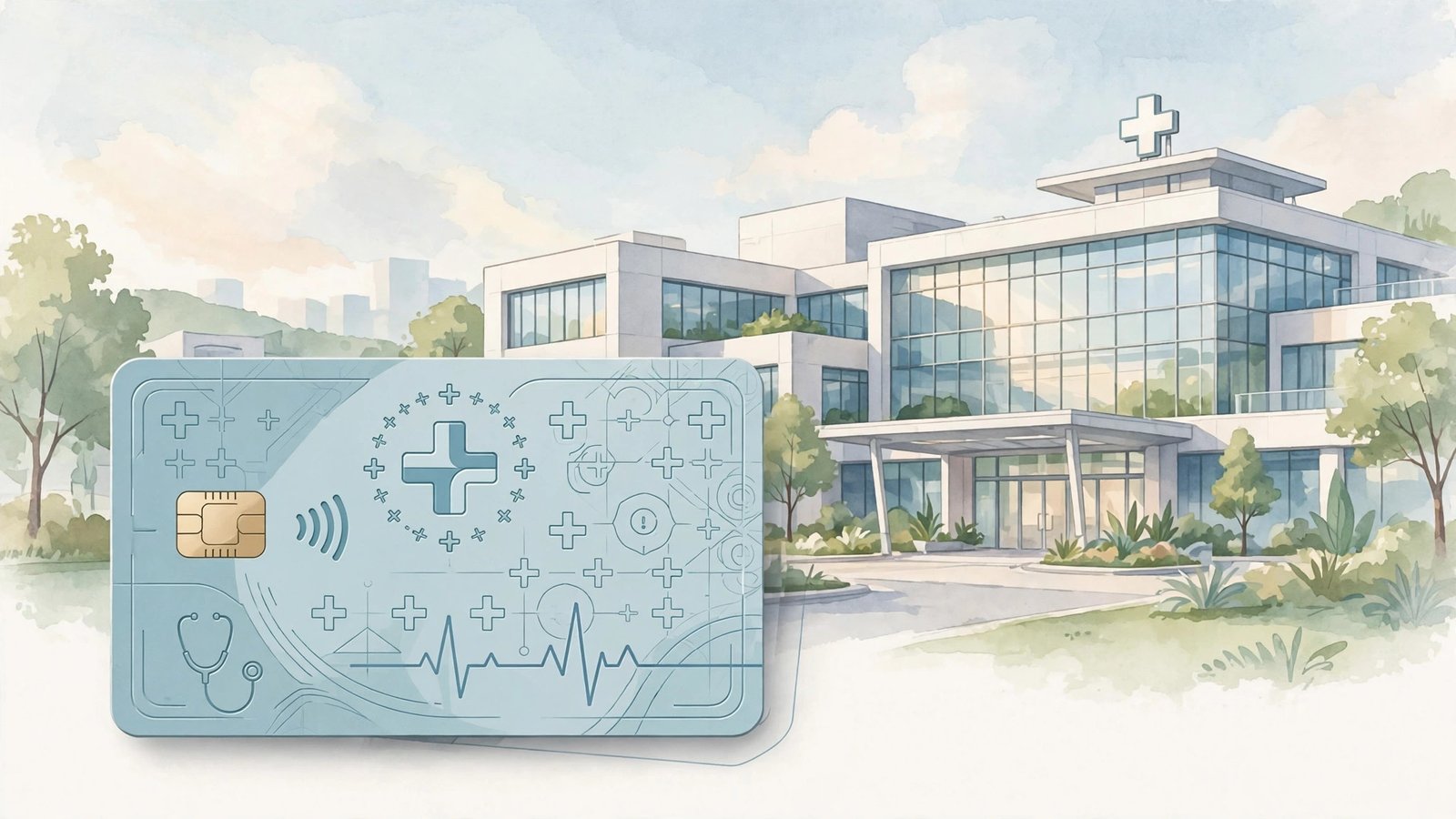
The Sehat Card is Pakistan’s health insurance programme that pays for hospital admissions at empaneled private hospitals — and in 2026 the most important thing to know is that your original CNIC is your card. There is no separate card and no registration: the programme works through your NADRA family record. After the programme’s relaunch in January 2026, rules differ between provinces, so this guide explains how to check eligibility, what treatment it covers and exactly how to use it at a hospital.
Sehat Card Eligibility Check: SMS and Online Methods
Checking your eligibility takes less than a minute:
- SMS: Type your 13-digit CNIC number without dashes and send it to 8500 (Punjab and federal areas). KP residents can also send to 9780.
- Online: Visit the official PHIMC portal, open “Check Eligibility”, enter your CNIC and captcha code to see your status, remaining balance and hospital list.
- App: Download the official Sehat Sahulat App (developed with State Life Insurance) to check balance, find nearby empaneled hospitals by GPS and review treatment history.
- Helplines: Punjab PHIMC helpline 0800-07542, federal helpline 0800-09009, KP helpline 0800-89898.
If your reply says you are not found, first verify your NADRA family record is correct, then call the helpline. Independent explainers include this 2026 Sehat Card eligibility and hospitals guide and this KP Sehat Card eligibility check walkthrough.
What It Covers in 2026
In Punjab, the programme is run by the Punjab Health Initiative Management Company (PHIMC). As of September 2026, PHIMC covers up to Rs 60,000 per family per year for secondary care and Rs 400,000 per year for priority care, extendable to Rs 1,000,000 in special cases. Important: only hospital admissions are covered — OPD visits are not. Cancer, ICU, CCU, NICU, thalassemia and all emergencies are free at empaneled private hospitals; for other conditions, PHIMC’s rules state the programme pays 50% and the family pays 50%. Note that the card no longer works in government hospitals in Punjab — it is valid at empaneled private hospitals only. In Khyber Pakhtunkhwa, all permanent residents registered with NADRA are covered automatically, with coverage up to Rs 1,000,000 per family per year across roughly 172 empaneled hospitals in the province. Keep your NADRA family record updated, because the hospital checks it through NADRA data at admission.
How to Use It at a Hospital
Treatment under the Sehat Card is cashless. Take your original CNIC (children under 18 use the B-Form) to an empaneled hospital and ask for the Hospital Facilitation Officer, who verifies your CNIC and processes the admission. Confirm your chosen hospital is still on the empaneled list before planning treatment, since hospital lists changed during 2026. Never pay anyone to “activate” your card — joining costs nothing. For related social protection, see our Ehsaas Program registration guide and Benazir Income Support overview, and keep your documents straight with our NADRA online services guide.
FAQs
Q1: How do I check eligibility?
SMS your 13-digit CNIC to 8500 (Punjab/federal) or 9780 (KP), or use the PHIMC portal or Sehat Sahulat App.
Q2: Do I need a separate card?
No — your original CNIC is your card. There is no card to collect and no registration process.
Q3: What does it cover?
Hospital admissions at empaneled private hospitals — up to Rs 400,000 per family per year for priority care in Punjab (Rs 1M in special cases).
Q4: Does it cover OPD visits?
No — only inpatient admissions are covered, not outpatient visits.
Q5: Is there any fee?
No. Nobody can add your name or activate your card for money — report anyone who asks.
Information verified against PHIMC and programme updates reported on 15 October 2026. Rules vary by province; always confirm through official helplines before acting.
Sehat Card 2026: Eligibility, Registration and Hospital Guide
The sehat card health insurance programme gives families cashless treatment at empanelled hospitals. Here is everything you need to use it well.
How do I check eligibility?
The sehat card eligibility check 2026 is done by sending your CNIC number to the official SMS short code or checking the programme’s website. Eligibility is typically linked to NADRA family records and provincial programme coverage, so ensure your family registration is up to date.
How do I register?
The sehat card online registration process varies by province, with some areas enrolling families automatically through NADRA data. Where manual registration is needed, visit the designated facilitation centres with CNICs of all family members.
Which hospitals accept Sehat Card?
The sehat card hospitals list includes public and private empanelled hospitals across participating districts. Check the current list before visiting, because empanelment changes, and confirm that your required treatment is covered.
What treatments are covered?
Coverage typically includes hospitalisation, surgeries, maternity care, and emergency treatment up to the annual family limit. Outpatient consultations are usually excluded, so understand the boundaries before you need care.
How do I use the card at a hospital?
Present your CNIC at the hospital’s Sehat Card counter, where staff verify eligibility and pre-authorise treatment. Keep the sehat card helpline number saved for disputes or guidance during admission.
What are the programme’s limits?
Each family gets an annual coverage ceiling, and once exhausted, further treatment is out of pocket. High-cost procedures may need special approval, so discuss coverage with the hospital before admission.
How does Sehat Card help maternity care?
Maternity packages under the sehat card cover normal and caesarean deliveries at empanelled hospitals, a major relief for low-income families. Pre-register at your chosen hospital to avoid paperwork during labour.
How do I complain about service issues?
If a hospital refuses treatment or demands illegal payments, report it through the sehat card helpline number immediately. Document everything, because complaints drive the accountability that keeps the programme honest.
What should families keep in mind?
The sehat card is a safety net, not a substitute for emergency savings, because coverage limits and exclusions apply. Renew your awareness yearly, as programme rules and hospital lists evolve with policy changes.
Related Posts
 How-ToMarriage Certificate Pakistan 2026: Registration and NADRA Guide
 How-ToPakistan Train Tickets 2026: Timings, Fares and Online Booking
 How-ToDomicile Certificate Pakistan 2026: How to Apply and Fees
 How-ToPakistan Motorways 2026: Toll Rates, M-Tag and Routes Guide
 How-ToNADRA ID Card 2026: Fees, Types and Application Process
 How-ToSereneAir 2026: Flights, Fares, Booking and Baggage Guide
Most Popular
 How-ToPTA Tax Calculator 2026: Check Mobile Tax on Any Phone88 views
 BISPPunjab Driving License Scam Alert: Fake Websites & “Without Test” Fraud | UrduPro80 views
 Canada JobsTech Jobs in Canada: Roles, Salaries, and Skills Needed76 views
 BusinessTech Stocks Trillion Loss: $1 Trillion Wiped Out as Oil Hits $11066 views
 TechnologyTecno Mobile Prices in Pakistan 2026: Spark, Camon and Pova Series Compared65 views
 ShowbizWomen’s Fashion in Pakistan 2026: Trends, Brands and Style Guide60 views