“From violence to lawfare”: what the numbers show
Pakistan remained deeply hostile to journalism and its practitioners in 2025-26, despite a drop in the number of documented violations against the media. That is the headline finding of the Freedom Network Impunity Report 2026, released by the Islamabad-based media watchdog on 29 October 2026, just ahead of the International Day to End Impunity for Crimes against Journalists observed on 2 November.
The report, titled “From Violence to Lawfare: Process as Punishment for Journalists” and authored by journalist Adnan Rehmat and Freedom Network Executive Director Iqbal Khattak with technical assistance from International Media Support (IMS), documents 97 violations against media and media practitioners between October 2025 and August 2026. That is down from 142 violations in the preceding cycle — but the report is blunt about what the decline means: about 10 cases a month, with their nationwide spread and severity, showed that fewer violations did not mean greater safety.
The cases documented over those eleven months included one work-related killing, three attempted assassinations, 18 threats of murder or harm, 11 assaults, 13 legal actions and 32 threats of legal action. Punjab recorded 49 cases — just over half the national total — followed by Khyber Pakhtunkhwa, Islamabad and Balochistan. The report’s central argument is captured in a single line: impunity in Pakistan, it finds, “has evolved from a failure to punish violence into a broader system of coercion.”
Digital and independent journalists in the crosshairs

One of the clearest patterns in the Freedom Network Impunity Report 2026 is who gets targeted. Digital and independent journalists were hit most often — the reporters and commentators working outside the protective umbrella of large media houses, many of them publishing on social media and digital platforms.
Equally striking is who the victims blame. In nearly two-thirds of the documented cases, victims or their families identified government authorities and officials as the alleged instigators. That figure reframes the story of press freedom in Pakistan: the threat is not only the gunman or the mob, but the machinery of the state itself, deployed against reporters whose work touches public expenditure, corruption or official conduct.
The report also notes a grim historical backdrop. More than 170 journalists have been documented as killed in the line of duty in Pakistan since January 2000 — and the killers of only three of them have ever been punished. Against that record, the report argues, the newer forms of pressure are not a replacement for violence so much as an addition to it.
PECA: when the process becomes the punishment
The sharpest section of the report deals with the Prevention of Electronic Crimes Act (PECA) and its use by the National Cyber Crime Investigation Agency (NCCIA). The watchdog describes the use of PECA against journalists to punish dissent as “central to this legal siege” of online journalism in the country.
Freedom Network’s analysis of representative PECA-related cases against journalists finds a recurring pattern: it starts with a complaint, notice or inquiry, then moves to appearance, FIR, arrest and bail — and ends, at best, in relief, an apology or an unresolved prosecution. Allegations involving defamation, false information, harassment or reputational harm, the report says, “are repeatedly channelled through cybercrime procedures” — including where the reporting in question concerned public spending, corruption or the conduct of officials.
The report’s most quoted passage may be its description of how the legal process itself becomes the penalty. Even without a confirmed FIR or a conviction, summons, device scrutiny, travel, legal costs, detention, repeated hearings and reputational harm “make the process itself punitive,” it says — adding that “relief is commonly limited to merely bail or procedural protection rather than final vindication.” Notably, the report also includes a practical guideline for journalists and other media practitioners on how to deal with PECA-related cases if targeted, aimed at minimising the harmful effects of what it calls lawfare.
Two commissions, little protection — what the report demands
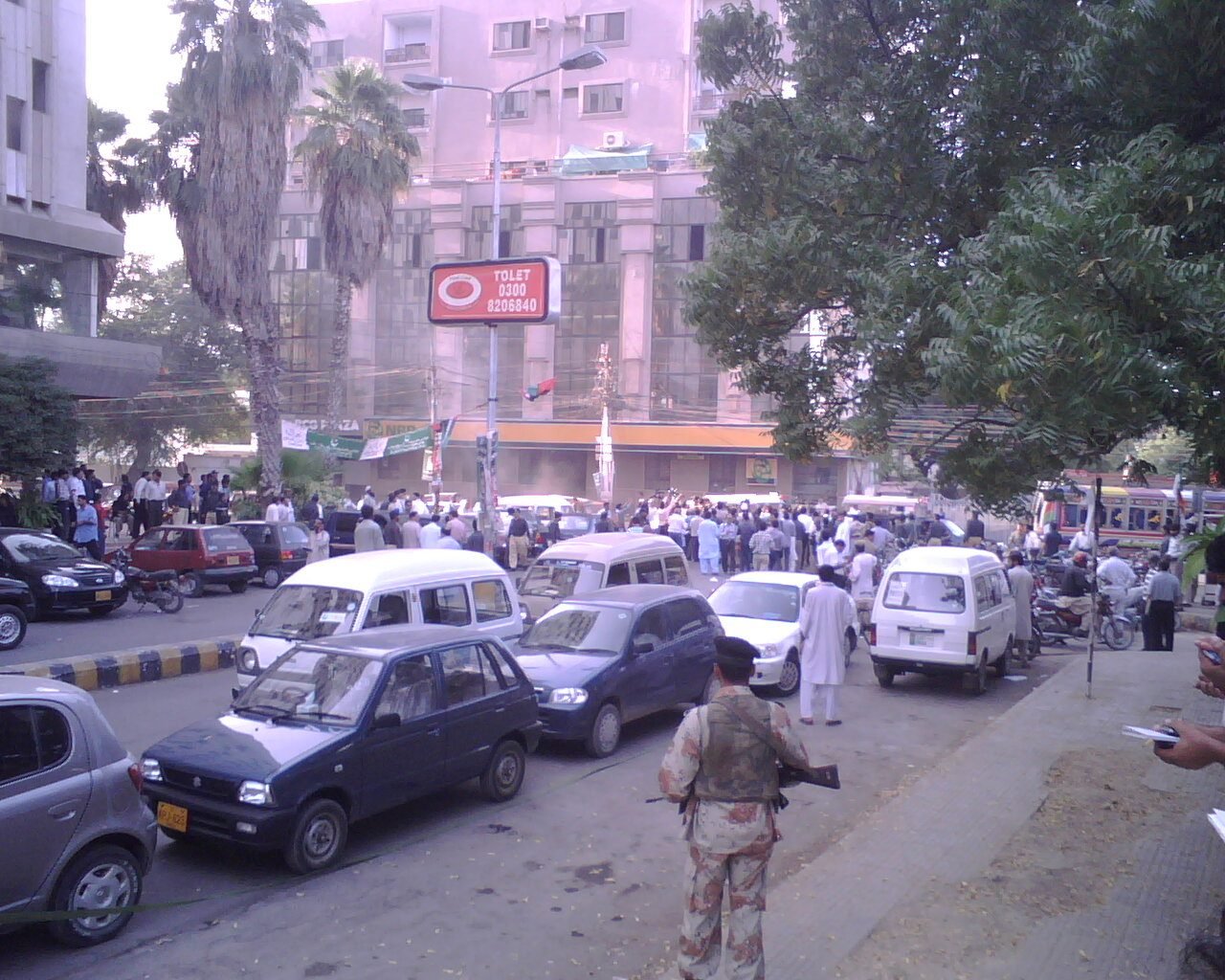
Pakistan has two laws on the statute books aimed at combating impunity for crimes against journalists, and two safety commissions established under them — one federal, one in Sindh. The report’s verdict on both is unsparing: institutional safeguards for media practitioners remain inadequate. “The federal journalist protection mechanism is effectively dysfunctional,” it says, “while the Sindh Commission, although more visible, has limited reach and demonstrated protection impact outside Karachi.”
Freedom Network Executive Director Iqbal Khattak put it directly at the launch: “Despite the presence on the statute books of two laws to combat impunity for crimes against journalists, such a finding should be a matter of concern for those at the helm of affairs of the two safety commissions established under these laws.”
The report closes with a concrete reform agenda. It calls for operational and properly resourced safety bodies; clearer protections for journalism and public-interest expression inside PECA; strict safeguards governing notices, arrests and device seizures; independent tracking of attacks and prosecutions; rapid legal aid, psychosocial and digital-security support for targeted journalists; stronger employer responsibility; and enforceable accountability — for both the perpetrators of violence and the officials who misuse legal process. Whether the state acts on any of it, the report suggests, will be measured not in press releases but in the next count: fewer cases, and this time, genuinely greater safety.
Sources: Freedom Network press release (29 October 2026); IANS reporting on the Impunity Report 2026 (30 October 2026).
Related Posts
 Pakistan NewsSingapore, Pakistan Discuss Resuming Direct Flights as Balakrishnan Meets Dar in Islamabad
 Pakistan NewsImaan Mazari, Husband Hadi Ali Chattha Sentenced to 10 Years by Anti-Terrorism Court
 Pakistan NewsSingapore Foreign Minister Vivian Balakrishnan in Islamabad for 60th-Anniversary Visit
 Pakistan NewsPakistan Restores Airspace for Taiwan Airlines After Brief Ban — China Airlines, EVA Air Cleared Till March 2027
 Pakistan NewsUmrah Vaccination Tender Scrapped After Rs4,500 Fee Sparks Probe; Three Officials Arrested
 Pakistan NewsTharparkar Ambulance Blast: 10 Killed as Oxygen Cylinder Explodes in Nagarparkar
Most Popular
 How-ToPTA Tax Calculator 2026: Check Mobile Tax on Any Phone346 views
 SportsUEFA Champions League 2026-27: Format, Teams and Schedule328 views
 SportsBallon d’Or 2026: London Ceremony, Nominees and All-Time Records Ahead of 70th Anniversary325 views
 Canada JobsTech Jobs in Canada: Roles, Salaries, and Skills Needed315 views
 Pakistan NewsPIA Boeing 787 Lease Deal: What It Means for the Airline306 views
 ShowbizWomen’s Fashion in Pakistan 2026: Trends, Brands and Style Guide299 views