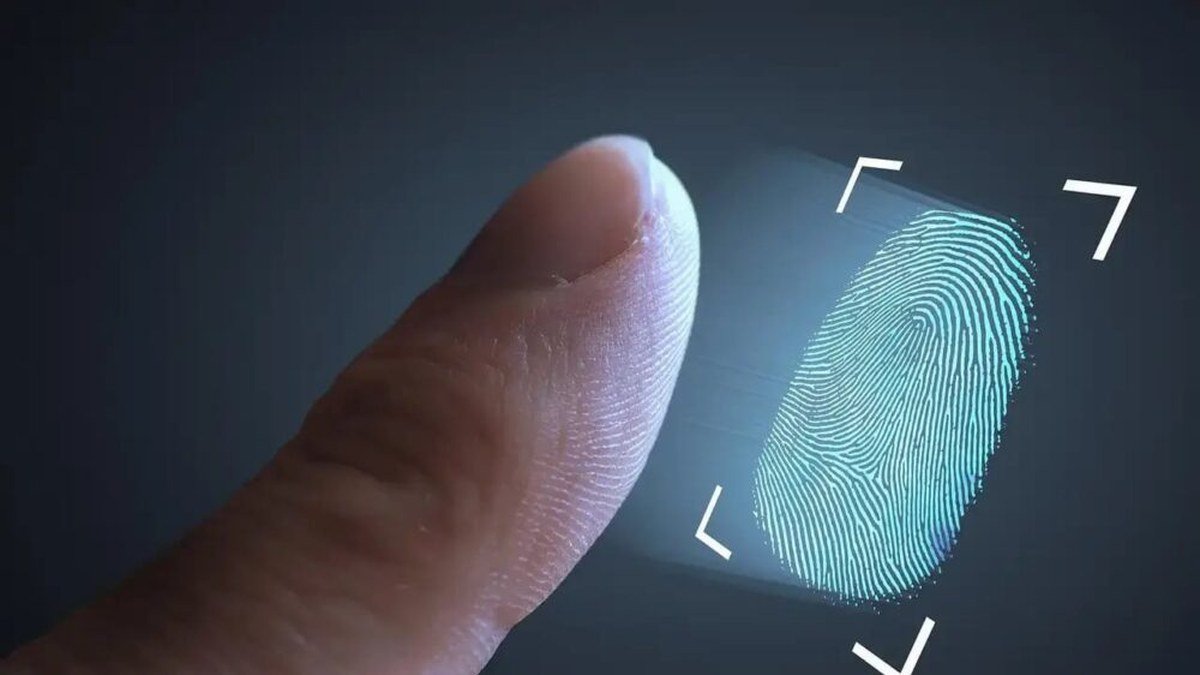
NADRA biometric verification is now part of getting a certificate from your Union Council in 23 districts across Pakistan. The National Database and Registration Authority has started fingerprint checks at Union Council offices, and in these districts no birth, death, marriage or divorce certificate will be issued until the applicant’s biometrics have been verified.
The change was reported on 24 November, and it applies to the everyday certificates that millions of families need for school admissions, passports, inheritance matters and official records. Until now, these certificates were issued at the Union Council level without a biometric step. NADRA biometric verification adds that step at the counter, linking the certificate to the applicant’s own fingerprint record before it is printed.
NADRA says the aim is to make civil registration more transparent and secure. Fake, fraudulent and bogus certificates have long been a problem, because a certificate issued in someone else’s name can be used to claim benefits, property or identity documents that do not belong to the holder. By checking fingerprints at the point of issue, the authority wants to make sure the person applying is the person named on the record.
How NADRA biometric verification works at Union Councils
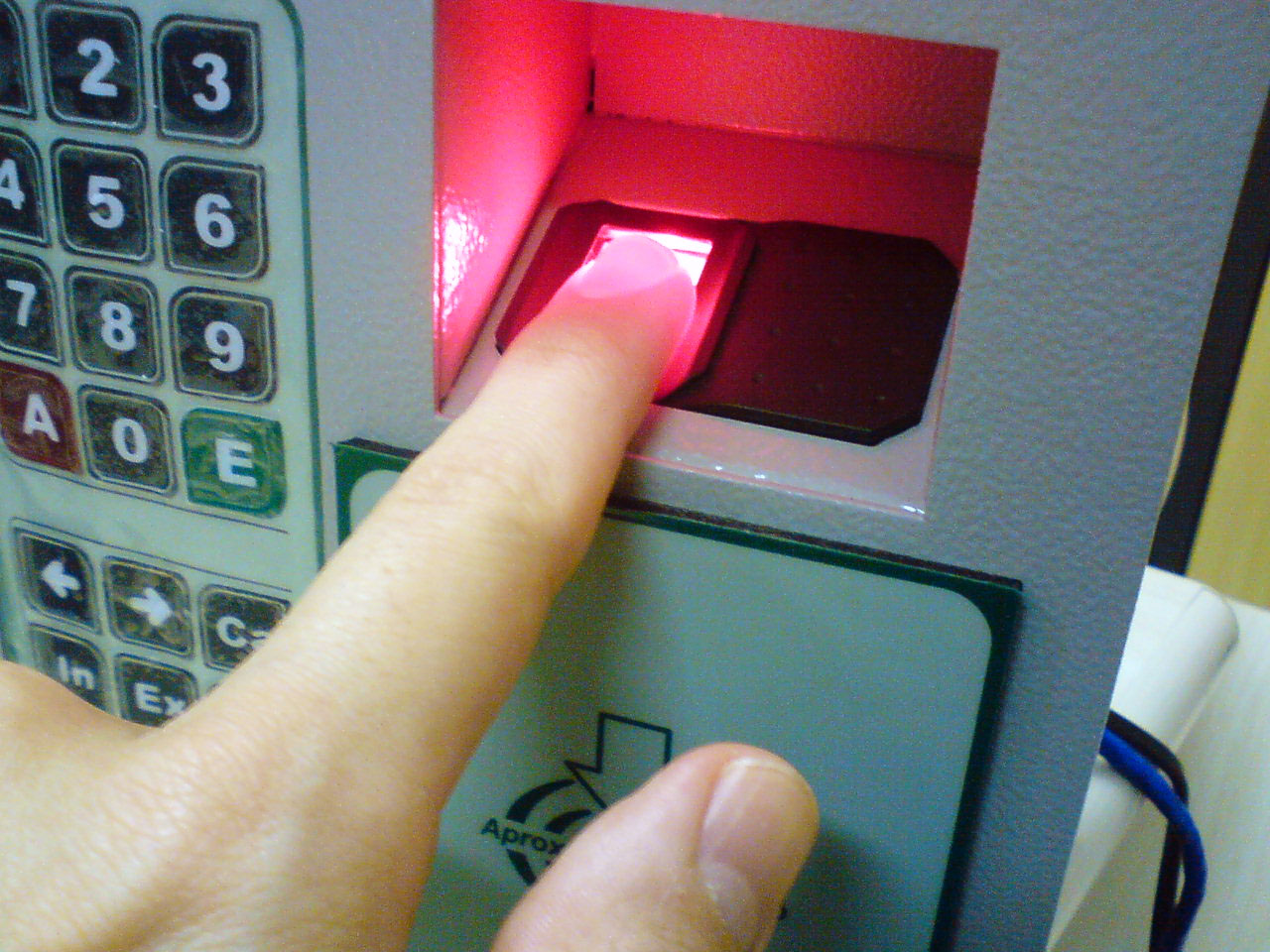
Under the new system, NADRA biometric verification takes place before the certificate is issued, not after. An applicant visiting a Union Council office in one of the covered districts will have their fingerprints scanned and matched against NADRA’s database as part of the application. Only once that check is complete will the birth certificate, death certificate, marriage certificate or divorce certificate be released.
The process is designed to sit inside the existing Union Council workflow rather than replace it. Citizens still apply at their local Union Council, and the certificate itself is still issued there. The difference is the extra verification layer: the fingerprint check confirms identity at the counter, so a certificate cannot be collected by someone pretending to be the applicant or a family member.
NADRA has advised citizens who need more information to contact its helpline on 1777 or visit NADRA’s official website. The authority has not announced any fee for the biometric step itself, and applicants should rely only on official NADRA channels for guidance on what to bring to the Union Council office.
What NADRA biometric verification means for your certificates

For families, the most immediate effect is a small extra step at the counter — and a stronger certificate afterwards. A birth certificate backed by a biometric check is harder to forge and easier for schools, banks and government offices to trust, because the identity behind it has been verified against NADRA’s own records. The same applies to marriage and divorce certificates, which are used in court matters, visa applications and family disputes, where a fake document can cause serious harm.
The move is part of a wider shift towards digital identity in Pakistan. NADRA has already moved several services online, and its digital Nikah registration service has been extended to Islamabad and Quetta through the PakID app, while the NADRA CNIC guide explains how identity cards can be applied for, renewed and tracked. NADRA biometric verification at Union Councils brings the same idea — identity checked against a central, verified record — to the most local level of government, where most certificates are still issued on paper.
There are also practical questions citizens will want answered as the rollout reaches more districts: whether elderly applicants or people whose fingerprints are hard to read will have an alternative check, and how long the extra step adds to a visit. NADRA has not published those details yet, and this article will be updated when the authority shares them. For now, the key point for residents of the 23 districts is simple — take your original CNIC when you visit the Union Council for a certificate, so the biometric check can be completed without a second trip.
Full list of the 23 districts
The facility has started in selected districts of Punjab, Sindh, Khyber Pakhtunkhwa and Balochistan. In Punjab, the covered districts are Rawalpindi, Jhang, Bahawalnagar and Sheikhupura. In Khyber Pakhtunkhwa, Peshawar is included. In Sindh, the initiative covers Karachi East, Karachi West, Hyderabad, Tando Allahyar, Sukkur, Ghotki, Larkana, Qambar Shahdadkot, Shaheed Benazirabad, Naushahro Feroze, Mirpurkhas and Tharparkar. In Balochistan, biometric verification has been introduced in Quetta, Naseerabad, Jaffarabad, Kalat, Sherani and Zhob.
That adds up to 23 districts — four in Punjab, one in Khyber Pakhtunkhwa, twelve in Sindh and six in Balochistan. If your district is not on the list, the old process still applies for now, but NADRA is expected to extend the system further as the rollout continues. The authority says the change should streamline registration, cut identity fraud and keep civil records accurate and reliable — and for the families who depend on these certificates, a document that can be trusted is worth the extra minute at the counter.
Related Posts
 Technologyitel A300+ Launched in Pakistan at Rs 39,999 — Dual Screens, 7000mAh Battery and 120Hz Display
 TechnologyMeta Muse Launches in the UK: AI Agent That Shops, Books Travel and Chases Refunds
 TechnologySpotify Down Today: 14,000 Users Hit as Outage Stops the Music — Service Restored in Minutes
 TechnologyLadybird Browser Alpha Is Here: A Brand-New Engine Takes on Chrome and Firefox
 TechnologyMillat Tractors to Launch Five Electric Bikes and Scooters in Pakistan on 29 November
 TechnologyPTA Plans Central Database to Block Misused Foreign SIMs Across All Pakistani Networks
Most Popular
 How-ToPTA Tax Calculator 2026: Check Mobile Tax on Any Phone421 views
 Pakistan NewsPIA Boeing 787 Lease Deal: What It Means for the Airline397 views
 Canada JobsTech Jobs in Canada: Roles, Salaries, and Skills Needed395 views
 SportsUEFA Champions League 2026-27: Format, Teams and Schedule390 views
 TechnologyPM Shehbaz Sets November Deadline for Alibaba AI and Digitalisation Projects in Pakistan372 views
 ShowbizWomen’s Fashion in Pakistan 2026: Trends, Brands and Style Guide366 views