LAHORE — A new nationwide education initiative will bring structured, technology-enabled learning directly to Pakistan’s underserved communities, after the Federal Education Foundation (FEF) and Teach the World Foundation (TTWF) signed a Memorandum of Understanding (MoU) in Lahore on Tuesday to establish a network of Digital MicroSchools Pakistan.
The agreement, signed at a ceremony in Lahore, formalises a partnership that combines FEF’s nationwide organisational platform and business leadership with TTWF’s proven digital learning model. The aim of Digital MicroSchools Pakistan is to move thousands of out-of-school children into foundational literacy and numeracy, starting with a first cluster of schools in Lahore.
Pakistan faces one of the most acute education challenges in the world, with more than 26 million children remaining out of school. The partnership is designed to respond to that crisis at scale, through a coordinated, institution-led model rather than isolated, independently run initiatives. The News and PakScoop both reported the signing on Tuesday.
What a Digital MicroSchool looks like
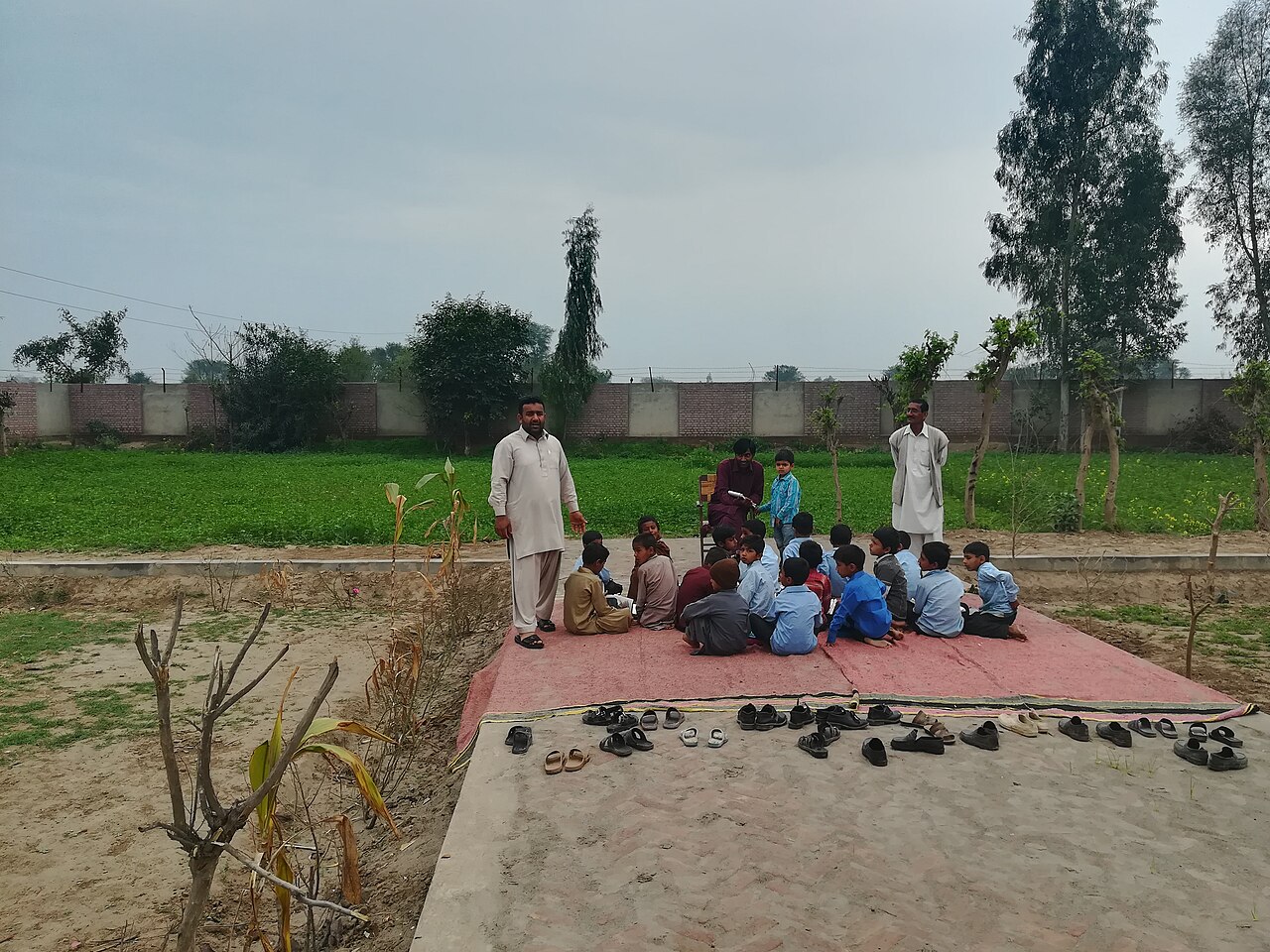
Each Digital MicroSchools Pakistan school is a small, community-based learning facility where trained facilitators guide children through tablet-based, gamified learning applications. Learners progress at their own pace as they build foundational literacy and numeracy, which means children who have never attended school, or who dropped out, can begin learning quickly and keep coming back.
The Digital MicroSchools Pakistan model is deliberately small and local. Instead of waiting for large school buildings, the facilities sit inside the communities they serve, and the technology does much of the heavy lifting: the apps adapt to each child’s level, so a child who has never held a pencil and a child who left school after two years can both start at the right place.
The model builds on TTWF’s established track record in Pakistan. The foundation currently supports more than 25,000 students across more than 250 digital schools, with independent assessments pointing to improved foundational learning, including encouraging results among girls. The new partnership with FEF is intended to extend that proven approach into a broader institutional framework.
Five schools in Lahore first, then districts nationwide
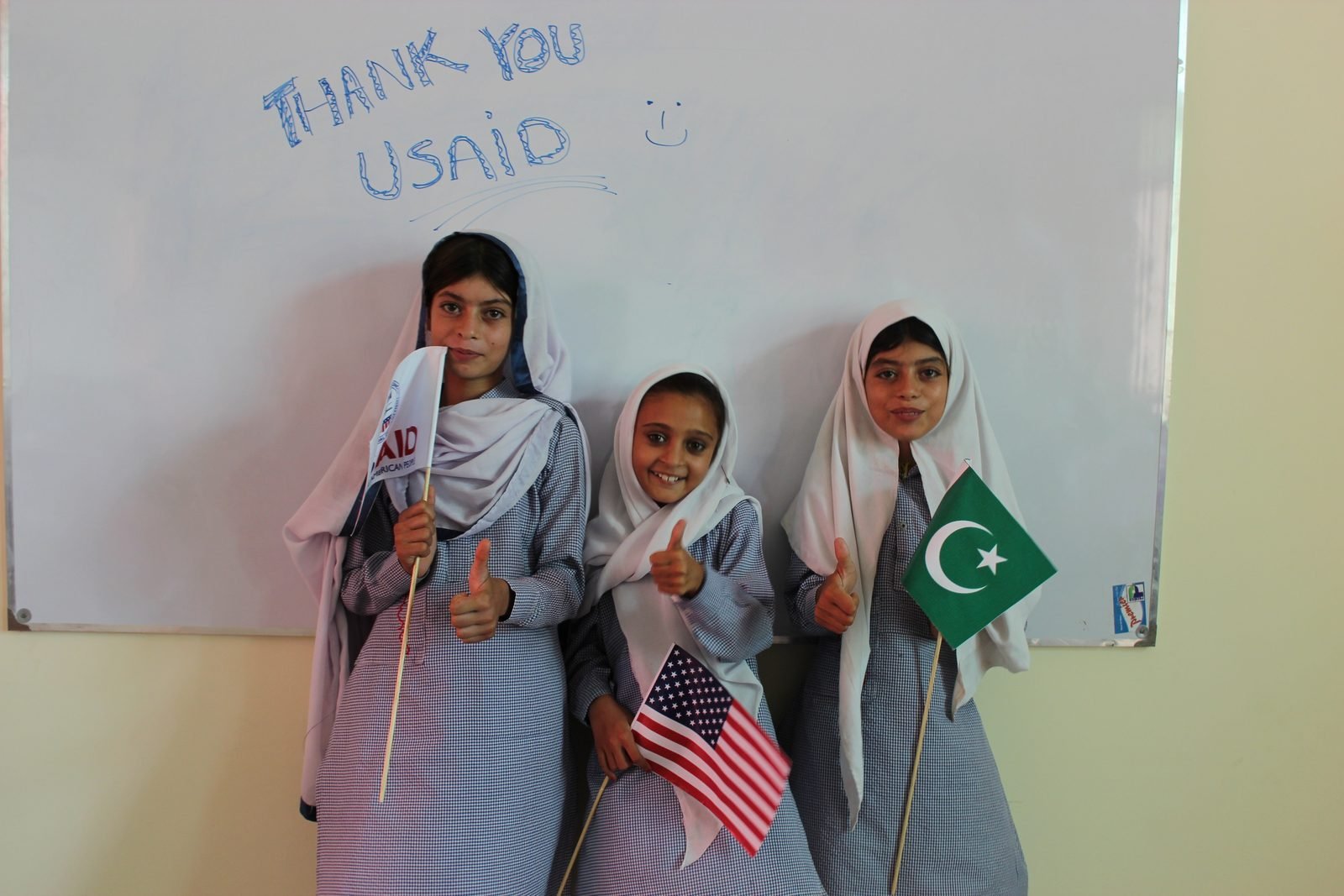
In its first phase, Digital MicroSchools Pakistan will establish five schools in Lahore, with the longer-term ambition of extending the model across districts nationwide. The two foundations will finalise operational details in the coming weeks as the first five Digital MicroSchools Pakistan schools prepare to open.
The Lahore rollout is the first step in a much bigger ambition. FEF was announced in October 2026, when its chairman, Dr Gohar Ejaz, outlined plans to adopt a school in each of Pakistan’s 170 districts, mobilising private-sector and community leadership to take direct local ownership of educational access. The agreement with TTWF turns that ambition into an operating programme.
FEF provides the overarching organisational framework and governance structure, guided by a board with representation from all four provinces. TTWF leads on the educational strategy, the digital learning model and the implementation mechanism, drawing on its experience of delivering learning in low-resource and last-mile communities.
Why the model targets children the system missed
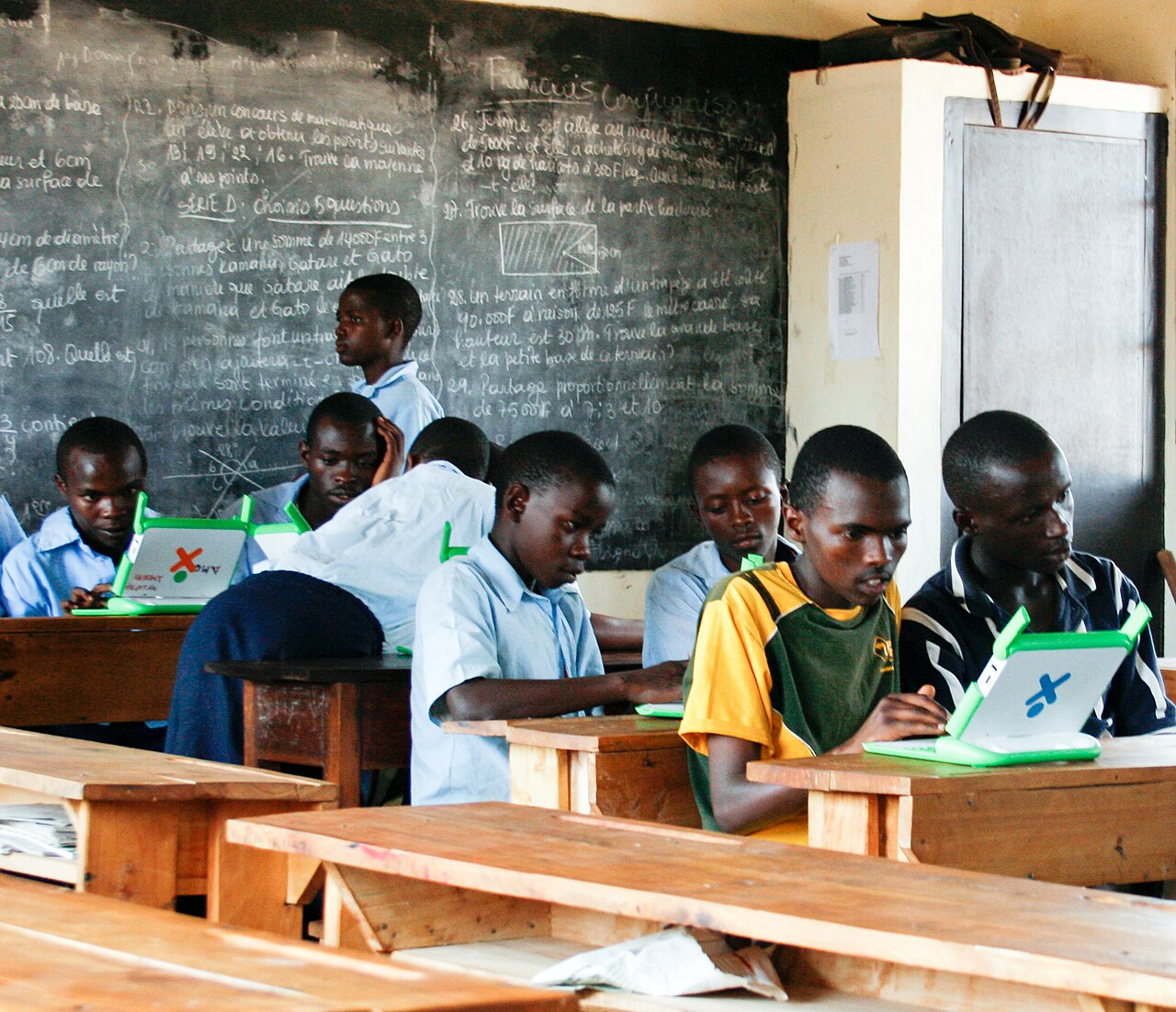
Speaking at the MoU signing ceremony, Gohar Ejaz expressed his determination to eliminate illiteracy from Pakistan by bringing all out-of-school children into a learning centre, saying the agreement would prove to be a milestone in that effort.
“Every child deserves the chance to learn, wherever they are born. Our Digital MicroSchools have shown, community after community, that children who have never set foot in a classroom can begin reading and doing basic math within months,” said Shafiq Khan, founder of Teach the World Foundation. “This partnership with the Federal Education Foundation gives that model the organisational reach to grow from a regional footprint into a national effort.”
“This is an institutional partnership, not a one-off initiative,” said Arshad Anis, president of Teach the World Foundation. “By bringing together the Federal Education Foundation’s organisational strength and Teach the World Foundation’s proven digital learning model, we are building a structure that identifies out-of-school children, brings them into micro schools and provides them accelerated learning.”
The partnership is a private-sector initiative, not a government programme, and its backers say that is the point: Pakistan’s education crisis will not be solved by any single organisation acting alone, and the agreement sets out to bring institutions, businesses and communities together around one structure. The initiative also lands as Pakistan prepares for 2027, declared the Year of Skills, when the country’s first national youth and e-sports policies are due.
For the children the system has missed, the test will be simple — whether the first five Digital MicroSchools in Lahore open on time, and whether the tablet-and-facilitator model can do for thousands of children what it has already done for the 25,000 students already learning in TTWF’s digital schools. If it does, the Digital MicroSchools Pakistan network has a clear path from five classrooms in Lahore to districts across the country.
Related Posts
 EducationHEC to Add MOFA Attestation Option to Online Degree Portal — One Application for Both Stamps
 EducationPakistan to Get First National Youth and E-Sports Policies as 2027 Declared Year of Skills
 EducationKMU Raises MBBS Seats to 150 at Three KP Medical Colleges for 2026-27 — But the Overall Gain Is Just 15
 EducationKing’s Business School Opens Fully Funded PhD Studentships for Pakistani Students — £23,805 a Year
 EducationIBCC Attestation Goes Fully Online From 1 January 2027 — No Office Visits, No Courier
 EducationKP Makes One Hour of Daily Reading Compulsory in All Government Primary Schools
Most Popular
 How-ToPTA Tax Calculator 2026: Check Mobile Tax on Any Phone421 views
 Pakistan NewsPIA Boeing 787 Lease Deal: What It Means for the Airline396 views
 Canada JobsTech Jobs in Canada: Roles, Salaries, and Skills Needed394 views
 SportsUEFA Champions League 2026-27: Format, Teams and Schedule390 views
 TechnologyPM Shehbaz Sets November Deadline for Alibaba AI and Digitalisation Projects in Pakistan370 views
 ShowbizWomen’s Fashion in Pakistan 2026: Trends, Brands and Style Guide366 views