Two brokerages, one number: 220,000
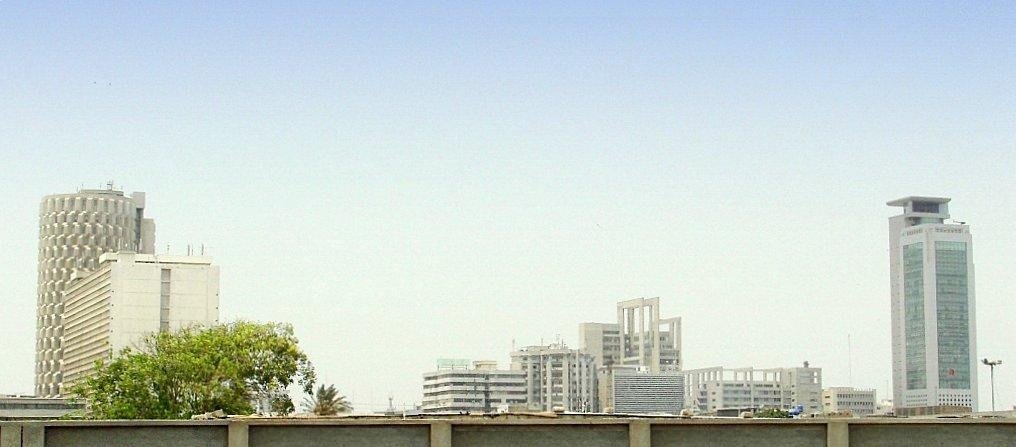
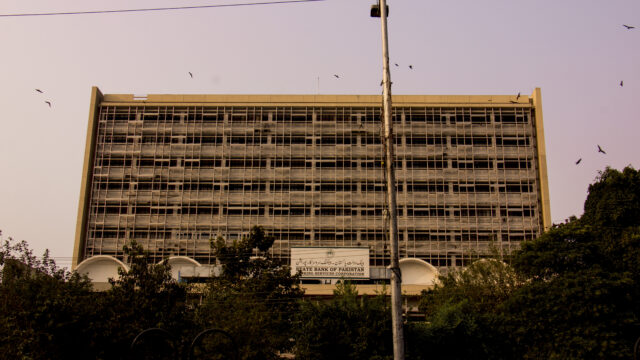
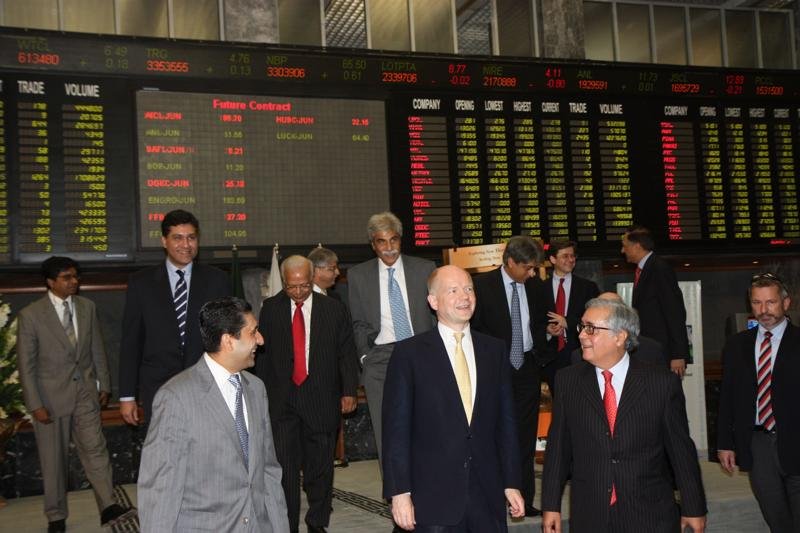
Pakistan’s stock market could be heading for its biggest milestone yet. Two leading brokerages now expect the benchmark KSE-100 index to reach 220,000 points by December 2027 — a call that would put the market roughly a quarter above where it stands today.
JS Global set out the forecast in its market outlook published on 21 November, projecting a total return of 25 per cent, including a dividend yield of 7 per cent, on a forward price-to-earnings ratio of 7.0 times for 2027. Topline Securities reached the same number in its Pakistan Market Outlook 2027, published the same day, arguing that lower oil prices and falling interest rates will lead the market’s next re-rating.
The index closed at about 177,000 points on 20 November, so the 220,000 target implies a rise of roughly 24 per cent over the next thirteen months. It is a bold call, but it is not an outlier view: both firms are reading the same improving picture — cheaper energy, easing borrowing costs and a steadier rupee — and arriving at the same destination.
Cheaper oil and lower rates would power the rally
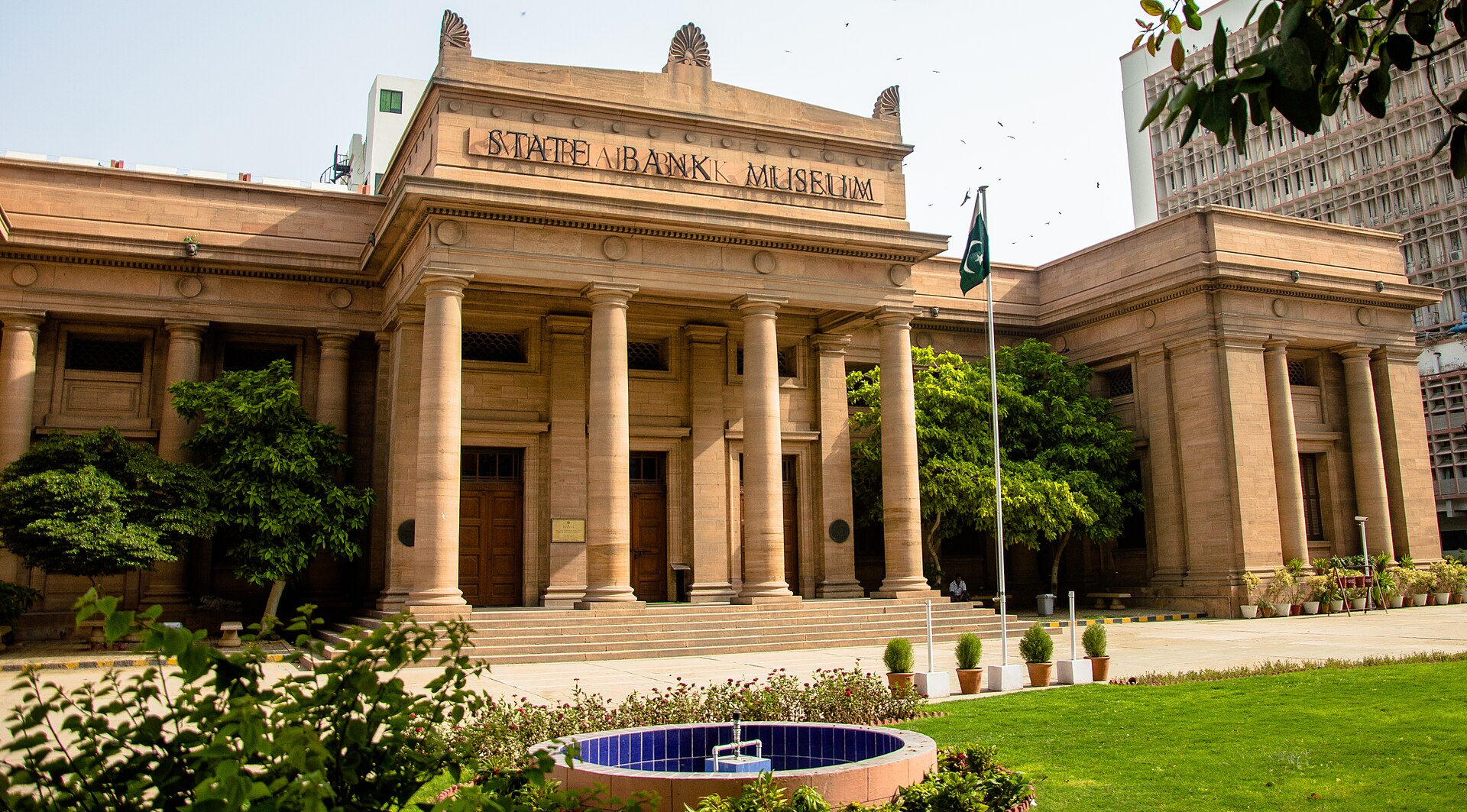
The heart of the case is oil. JS Global expects Brent crude to average 86 dollars a barrel in 2027, down from 91 dollars in 2026. For a country that imports most of its energy, cheaper oil means lower inflation, a smaller import bill and more room for the State Bank to cut interest rates.
The brokerage expects the policy rate to stay at 12 per cent through the first half of 2027, then fall by one percentage point to 11 per cent in the second half. Lower rates make borrowing cheaper for companies and make shares more attractive compared with bank deposits — a combination that has historically lifted cyclical and leveraged sectors such as cement and automobiles.
The wider economy is expected to cooperate. JS Global projects growth of 3.5 to 4.0 per cent in fiscal year 2027, against 3.7 per cent in fiscal year 2026, rising to 4.0 to 4.5 per cent the year after. Inflation is forecast to average 9.5 to 10.5 per cent in fiscal year 2027 before easing to 7.0 to 8.0 per cent, helped by a favourable base effect from April 2027.
Remittances are projected at 44.9 billion dollars, the current account deficit at 2.8 billion dollars — just 0.55 per cent of GDP — and the State Bank’s reserves at 24.9 billion dollars by June 2027, enough for about four months of imports. The fiscal deficit is forecast at 3.5 per cent of GDP. Local investors have already been the main buyers at the Pakistan Stock Exchange, absorbing foreign selling, and with the rupee stabilising and Dubai losing some of its appeal as an investment destination, equities look set to stay in favour.
The risks that could spoil the forecast

A forecast is not a promise, and this one carries clear risks. The same outlook names oil prices, United States-Iran relations and shipping through the Strait of Hormuz as the key variables — and all three are live issues. The Gulf confrontation has already shown it can move energy markets, and any disruption to Hormuz shipping would push oil prices the wrong way for Pakistan.
At home, much depends on the International Monetary Fund’s reviews, external financing, foreign exchange reserves and possible rating upgrades. The outlook also flags possible tax relief in the fiscal year 2028 budget, the resolution of circular debt, sector-specific policies and progress on privatisation as factors that could swing sentiment either way. Security conditions and local politics remain risks the brokerages themselves highlight.
Investors should also remember what a target is: an opinion built on assumptions about oil, rates and growth. If Brent stays high, if rates stay higher for longer, or if the IMF programme hits trouble, the path to 220,000 gets longer. Forecasts are not guarantees, and no single brokerage call should be treated as investment advice.
Where the brokerages would put money

If the rally plays out as forecast, the brokerages agree on where it will be led. JS Global remains overweight on banks, cement, pharmaceuticals, exploration and production, and autos — the sectors that benefit most from lower rates and cheaper energy, plus the high dividend payers in banking and fertiliser that become more attractive as rates fall. A recovery is also expected among pharmaceutical companies that underperformed in 2025-26.
Its top stock picks for 2027 are OGDC, UBL, MEBL, FFC, ENGROH, MLCF, ATRL, SAZEW, HUBC and GLAXO, with ATLH, GHNI, PAKT and AICL named as preferred alpha stocks. The message is consistent across both reports: the next leg of the market will be driven by earnings and cheaper money, not by speculation.
Whether the index reaches 220,000 by December 2027 will be decided by oil, interest rates and the IMF programme over the coming year. But for now, two of Pakistan’s most-watched brokerages have put the same big number on the table — and the market will spend the next thirteen months testing whether they are right.
Sources: Pakistan Business News (https://pakistanbusinessnews.com.pk/kse-100-index-projected-to-reach-220000-by-2027-driven-by-lower-oil-and-interest-rates/) (JS Global outlook), Topline Securities (https://www.linkedin.com/posts/topline-securities-pvt-ltd_pakistan-market-outlook-2027-activity-7529832380686233600-VgKP) (Pakistan Market Outlook 2027).
Related Posts
 BusinessGold Price in Pakistan Keeps Falling — Karachi Bars Run Short as Dealers Charge Up to Rs30,000 Premium
 BusinessOGRA Cuts Jet Fuel, Kerosene and Light Diesel Prices — Kerosene Down Rs10.42 a Litre
 BusinessPakistan and Russia to Hold Direct Payment Talks in Moscow on 23–24 November
 BusinessState Bank Injects Rs13.54 Trillion Into Banking System to Keep Cash Flowing
 BusinessFauji Foods Names Haseebullah Zahur as New CEO From 1 January 2027
 BusinessDewan Motors Launches Facelifted BMW i7 in Pakistan From Rs6.52 Crore
Most Popular
 How-ToPTA Tax Calculator 2026: Check Mobile Tax on Any Phone421 views
 Pakistan NewsPIA Boeing 787 Lease Deal: What It Means for the Airline396 views
 Canada JobsTech Jobs in Canada: Roles, Salaries, and Skills Needed393 views
 SportsUEFA Champions League 2026-27: Format, Teams and Schedule390 views
 TechnologyPM Shehbaz Sets November Deadline for Alibaba AI and Digitalisation Projects in Pakistan370 views
 ShowbizWomen’s Fashion in Pakistan 2026: Trends, Brands and Style Guide366 views