The Lewis Pugh Strait of Hormuz swim took just three days to complete — and only thirty minutes to turn terrifying. Half an hour after the British endurance swimmer slipped into the water off Oman’s Musandam Peninsula, an oil tanker was struck a few kilometres away. Explosions rocked the sea around him. Over the next three days he would swim past burning vessels, breathe in chemical smoke and watch flames rise from the water itself — all to deliver a message the world has been ignoring: war is destroying one of the planet’s great natural wonders.
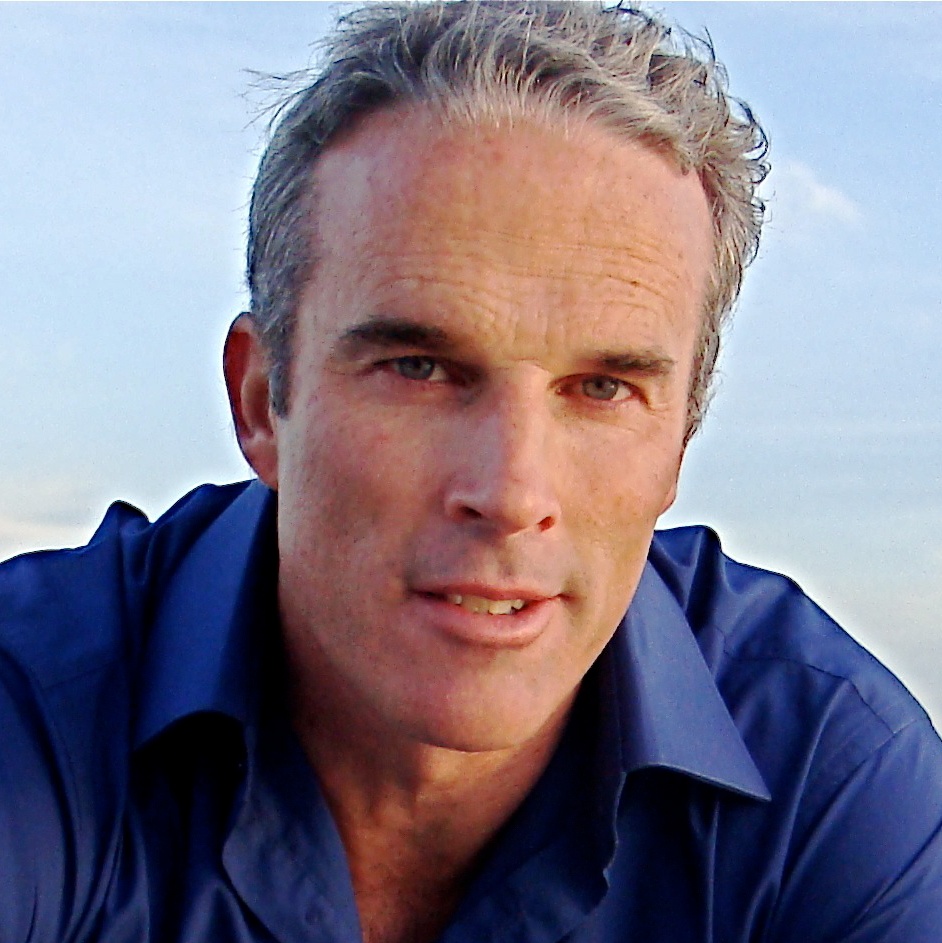
Pugh, 56, the United Nations’ Patron of the Oceans, covered 15 kilometres in around six and a half hours of swimming spread across three days, finishing near the Cape of Hormuz. He wore only swimming trunks, goggles and a cap bearing the UN logo. Announcing the swim on X on 21 November, he wrote that he had undertaken it “to draw attention to the devastating environmental consequences of war”.
Thirty Minutes In, a Tanker Was Hit
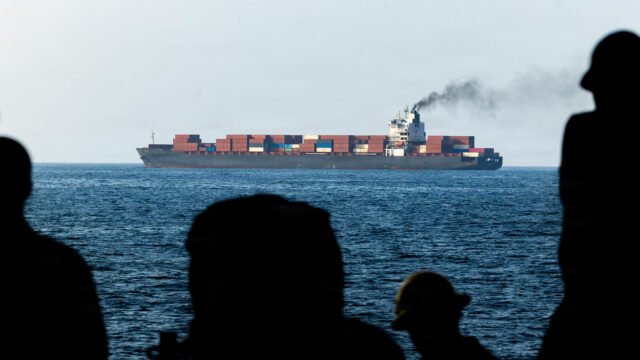
The danger arrived almost immediately. “Just 30 minutes after I began swimming, an oil tanker was struck a few kilometres away. The explosions rocked the sea around me,” Pugh wrote. It was only the beginning. On the following days he witnessed further attacks on commercial shipping and saw vessels engulfed in flames.
The most haunting moment came as he swam past a gas carrier that had been attacked. “I’ll never ever forget going past that gas carrier, the smell of the chemicals and then the flames, they were literally like fireballs going up into the sky. Around the ship, the water was on fire,” he said.
Pugh is believed to be the first person to complete a long-distance swim in the area since the war began. The strait has seen repeated attacks since February, when coordinated US and Israeli strikes on Iran sparked the conflict. Iran has blockaded parts of the waterway and targeted ships it says used unauthorised routes, while several tankers have also struck sea mines. The same waters saw two oil tankers ablaze after a mine strike earlier in the conflict, and a Pakistan-bound LNG carrier was attacked near the strait and forced to turn back.
One of the World’s Most Beautiful — and Most Dangerous — Waterways
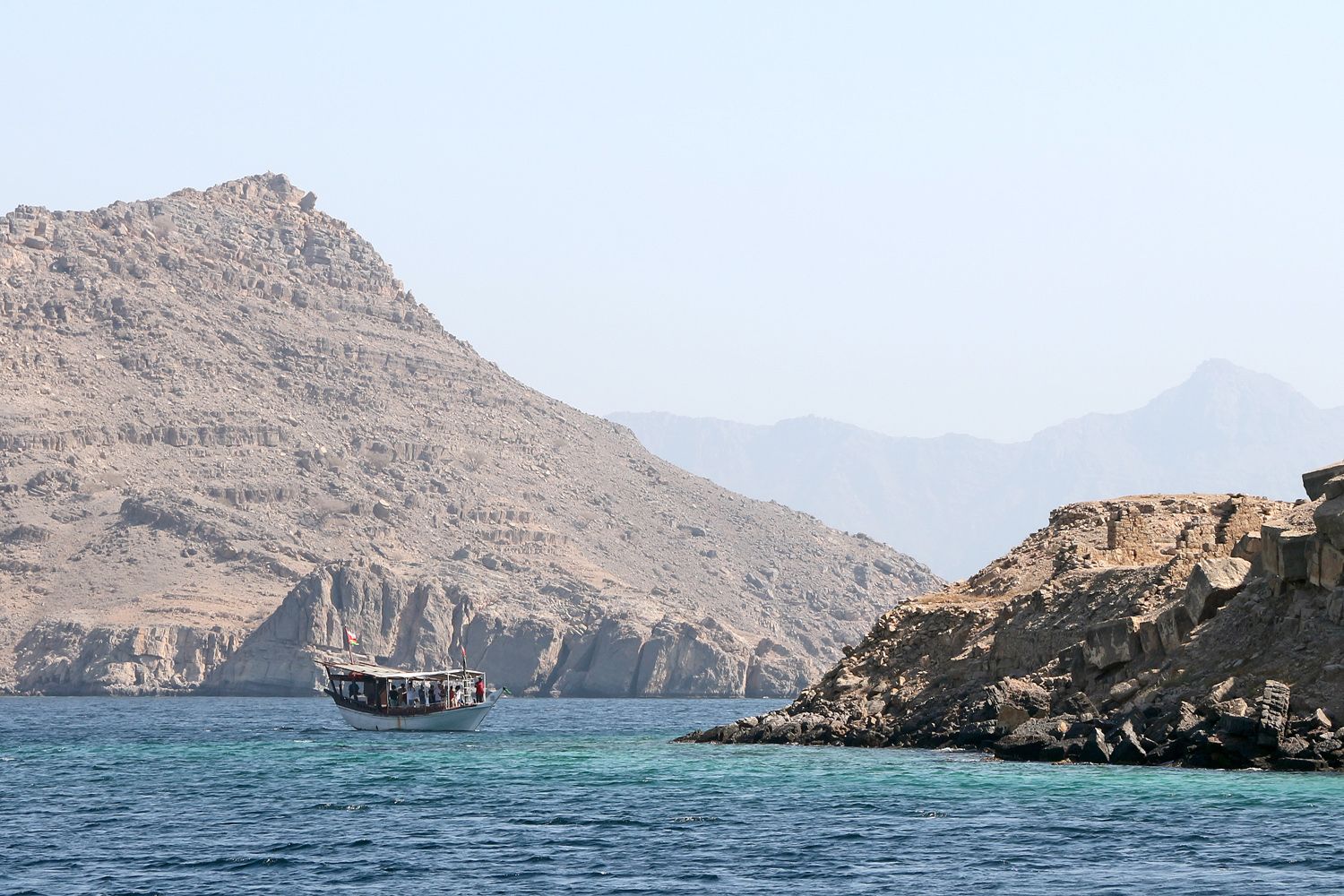
A dhow sails through the fjords of Khasab in Oman’s Musandam Peninsula, the waters Lewis Pugh swam through. Photo: Wikimedia Commons (CC BY 3.0).
Before the war, around one-fifth of the world’s traded oil passed through the Strait of Hormuz, the narrow channel between Iran and Oman that links the Persian Gulf with the Gulf of Oman. But Pugh insists the strait is far more than a shipping route.
“The Strait of Hormuz is one of the most beautiful places I have ever visited. Towering mountains rise above spectacular fjords. There are coral reefs and mangrove forests, and waters home to dolphins, sea turtles and dugongs,” he wrote. “It is one of the great natural wonders of the world.”
That beauty is now caught in the middle of a war. Greenpeace satellite monitoring has identified hundreds of possible oil slicks across the Gulf and the Arabian Sea, and mines have struck at least four tankers in the past month alone — including one carrying more than two million barrels of oil, which exploded in October.
A Swimmer Who Takes On the Impossible
Pugh is no stranger to swimming where no one else dares. Pugh’s long career includes the first swim across the North Pole in 2007, a swim across a glacial lake on Mount Everest in 2010, and the full length of the English Channel in 2018. He is the first person to complete a long-distance swim in every ocean of the world, and in 2016 he helped create the largest marine reserve on Earth, in the Ross Sea off Antarctica — a feat the media dubbed “Speedo diplomacy”.
Born in Plymouth, England, and raised in South Africa, Pugh worked for a decade as a maritime lawyer in London before leaving the law in 2003 to campaign full-time for the oceans. In May 2025 he swam around Martha’s Vineyard in near-freezing water to campaign for shark conservation.
The Hormuz swim follows the same pattern — but none of his previous swims has taken place in an active war zone, with merchant ships burning within sight of the swimmer.
The Hidden Casualty: Nature Itself
Pugh’s warning is that the environmental damage may outlast the fighting by decades. Oil and chemical pollution from damaged tankers can devastate dolphins, turtles, coral reefs, mangrove forests and coastal fisheries, and cleaning it up in such habitats is slow and extremely difficult.
“War causes immense human suffering. Lives are lost, families are torn apart, and homes are destroyed. But there is another casualty that receives far too little attention: nature itself,” Pugh wrote.
A detailed account of the swim describes how the explosions were heard nearby and shook the surrounding sea, and how the swimmer pressed on day after day despite the attacks. The strait has also become a major point of contention in peace negotiations between Iran and the US, with its reopening tied to the wider settlement.
Stop the Fighting. Open the Strait. Clean Up the Pollution.
The Lewis Pugh Strait of Hormuz swim ended with a message that could hardly be simpler: “Stop the fighting. Open the Strait. Clean up the pollution.” He posted it with the hashtag #HormuzSwim, asking the public to share it and arguing that pressure from ordinary people is needed to force action on a crisis unfolding largely out of sight.
Whether the swim changes anything remains to be seen. But Pugh has built a career on the belief that one person in the water can make the world look at a place it would rather ignore. This time he swam through burning water to make the point — and the testimony he brought back leaves no doubt about what is at stake in the Strait of Hormuz.
Related Posts
 World NewsMosquitoes That Fight Dengue: Specially Bred Insects Cut Infections by 69% in Major Brazil Trial
 World NewsIran Strikes US Bases in Bahrain: Missiles and Drones Target Al-Riffa and Awali as Civilian Facility Burns
 World NewsPortuguese Foreign Minister Paulo Rangel Begins Two-Day Pakistan Visit as Countries Mark 77 Years of Diplomatic Ties
 World NewsBritish-Pakistani Entrepreneur Nasir Younas Receives Freedom of the City of London
 World NewsFiona the Hippo Dies at Nine After Swallowing a Visitor’s Hat at Cincinnati Zoo
 World NewsVan Gogh Painting Sells for Record $190.4 Million After Nazi-Era Dispute Settled
Most Popular
 How-ToPTA Tax Calculator 2026: Check Mobile Tax on Any Phone421 views
 Pakistan NewsPIA Boeing 787 Lease Deal: What It Means for the Airline396 views
 Canada JobsTech Jobs in Canada: Roles, Salaries, and Skills Needed393 views
 SportsUEFA Champions League 2026-27: Format, Teams and Schedule390 views
 TechnologyPM Shehbaz Sets November Deadline for Alibaba AI and Digitalisation Projects in Pakistan370 views
 ShowbizWomen’s Fashion in Pakistan 2026: Trends, Brands and Style Guide366 views