Every government primary school in Khyber Pakhtunkhwa will now set aside one full hour every day just for reading. The province’s Elementary and Secondary Education Department has issued a formal notification making a daily reading hour compulsory in the school timetable, to strengthen young children’s reading skills and give their early learning a firmer foundation.
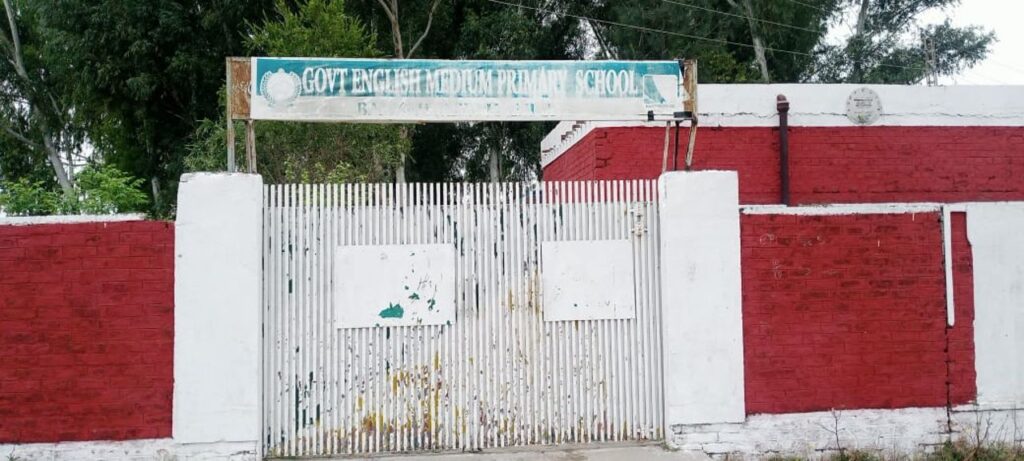
The decision covers all government primary schools across the province, as well as the primary sections of government middle, high and higher secondary schools. It was notified on 20 November 2026 and reported the following day. The department says the hour is meant to build a reading habit in children from an early age, at the stage when reading ability shapes everything else a child goes on to learn.
For many primary school children, reading is the skill that decides whether the rest of school makes sense. A child who can read fluently can follow a textbook and understand an examination question; a child who cannot is held back in every subject, not just in language classes. That is why the department has given reading a protected hour of its own, rather than leaving it to whatever time remains after other subjects.
The step is part of the Khyber Pakhtunkhwa Foundational Learning Policy 2024, the province’s plan for improving children’s basic reading and numeracy in the early years of school. The new notification turns one part of that policy into a daily routine in every government classroom.
What the new reading hour means
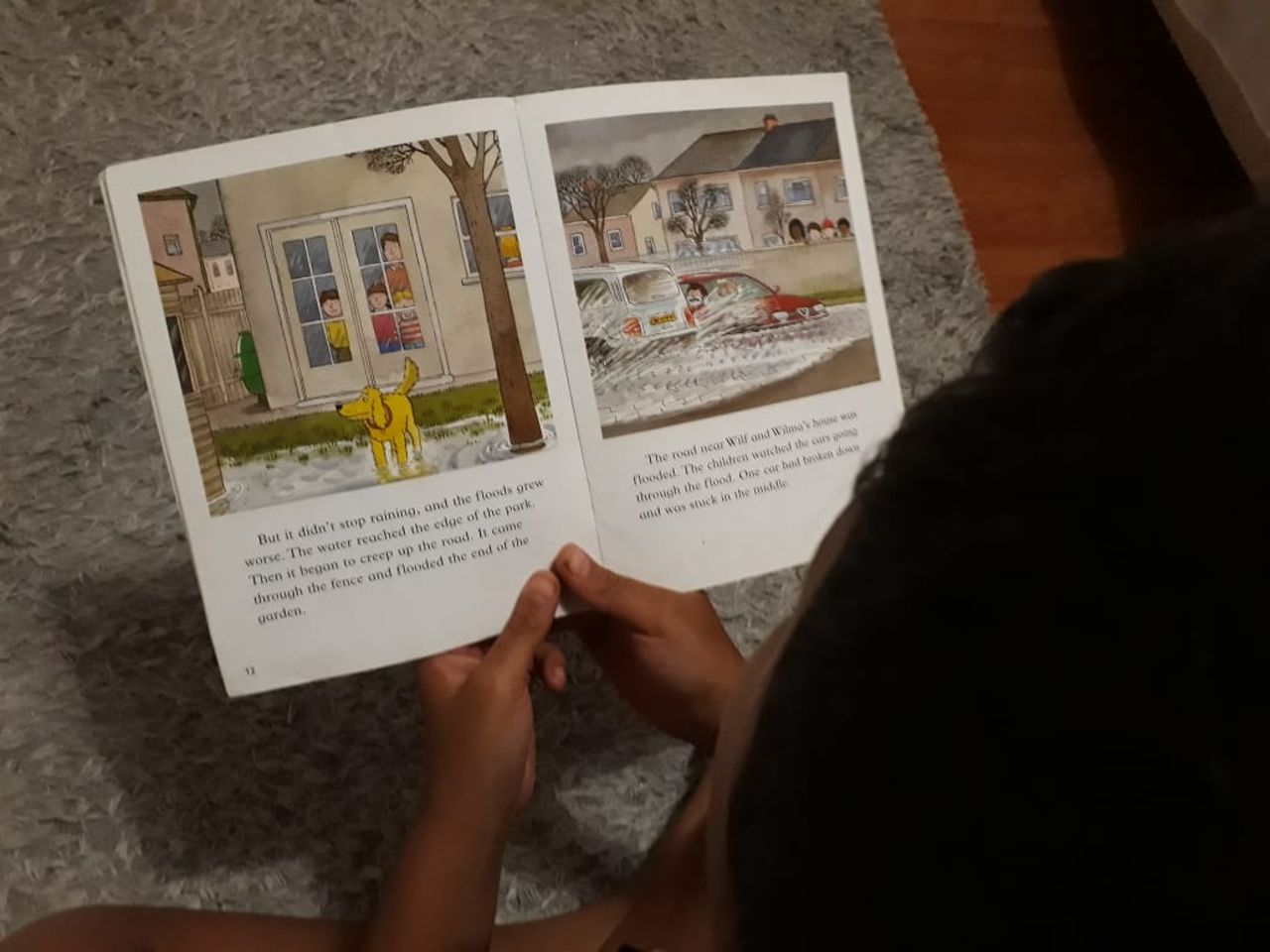
Under the notification, every government primary school must allocate one hour in its daily timetable for reading activities. The same applies to the primary sections of middle, high and higher secondary schools, so that children in the early classes get the same protected reading time wherever they study.
The hour is a timetabled part of the school day, not an optional extra. The Director of Curriculum and Teacher Education has been directed to include at least one hour of reading in the scheme of studies for the primary level, so the change is written into the official curriculum rather than left to individual schools.
The notification does not spell out exactly how each school should use the hour, and it does not say when the first reading hour will take place in classrooms. What it does make clear is that reading is now a fixed, daily part of the timetable for primary children in government schools across the province.
Why reading comes first
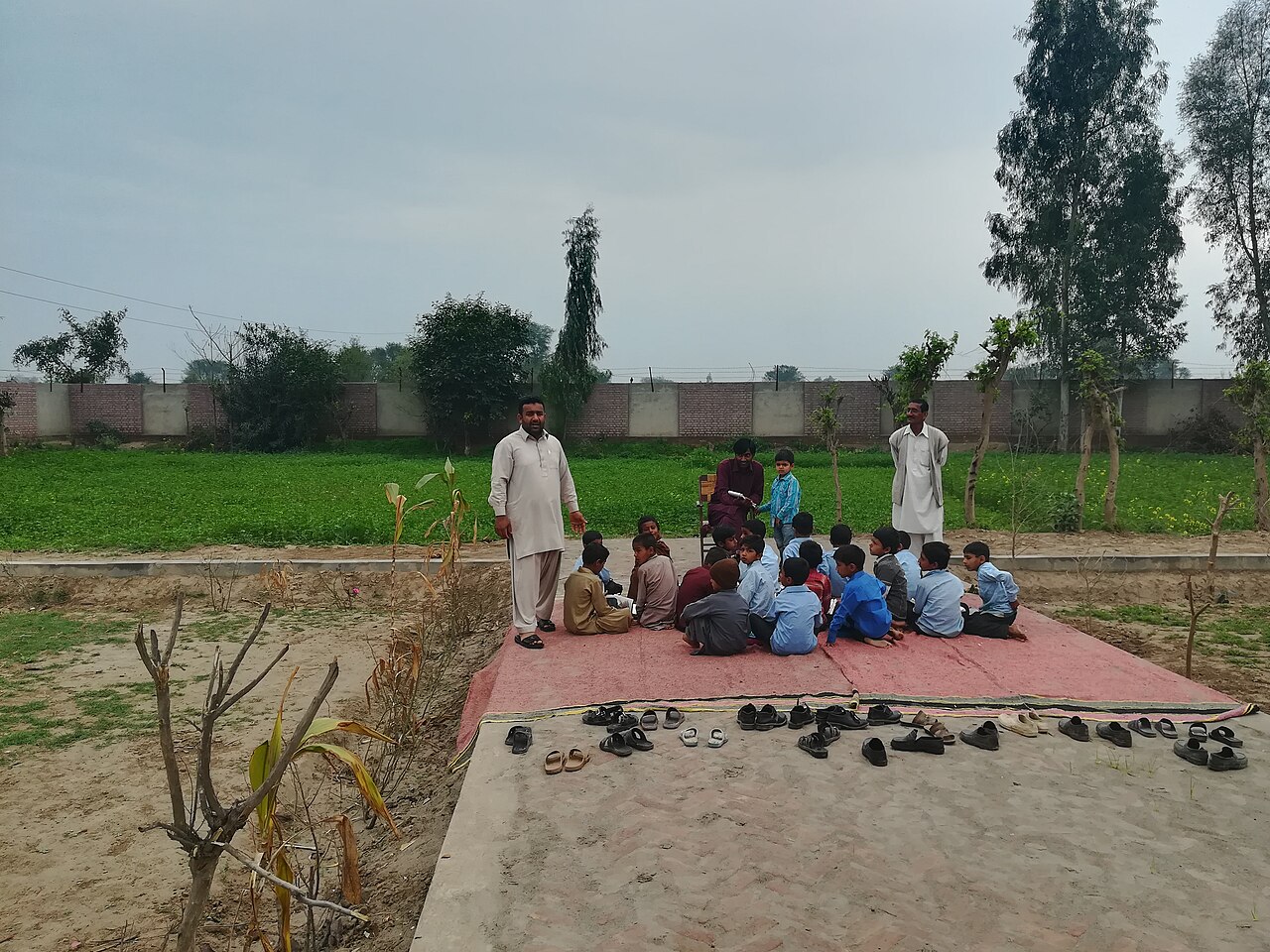
Reading is the first skill a child needs, and it is also the one that is hardest to catch up on later. Children who read well by the end of primary school go on to do better in every subject, while children who fall behind in reading often stay behind for years. A daily hour gives teachers regular, unhurried time to work on exactly that skill.
The focus on reading also fits a wider push to improve early learning in Pakistan. In recent weeks, Pakistani students have shown what young learners here can achieve, ranking among the most environmentally optimistic in the world in a 40-country survey of school students. That kind of confidence starts in the classroom, and it starts with being able to read, understand and question what is in front of you. Other provinces are investing in teaching too: Punjab is training 25,898 teachers in AI for classrooms, so that teachers have new tools to match the new focus on basics.
A reading hour also gives children time with books for their own sake. When reading is squeezed into a few minutes between other lessons, children learn to see it as a chore; an hour set aside for reading alone lets them read stories and discover that books can be enjoyable, not only something to be tested on.
Maths gets a weekly boost too
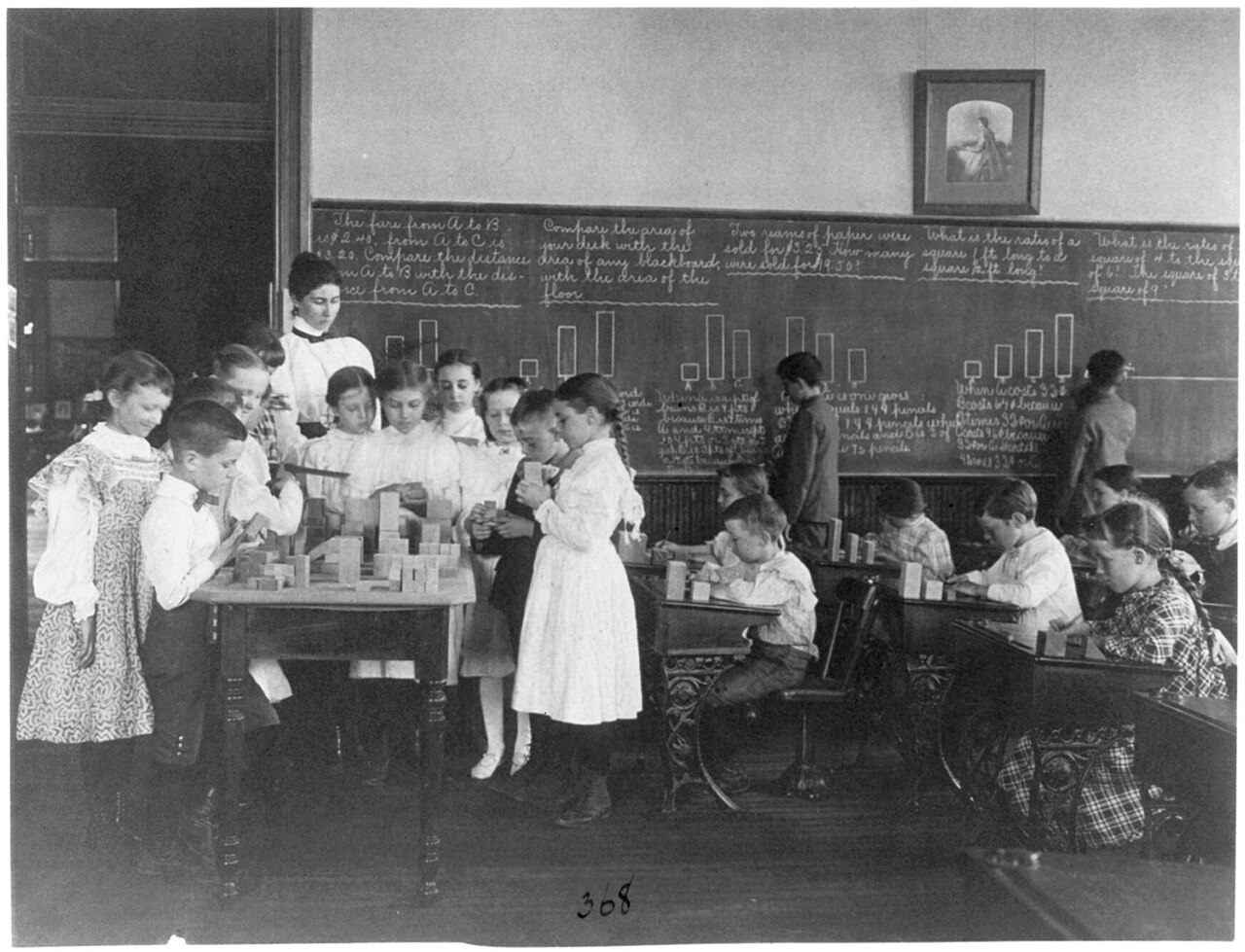
Reading is not the only subject getting extra time. The same notification directs all government schools to set aside at least one mathematics period every week for primary-level students, under an initiative called Mathematics Remediation, to improve children’s basic mathematical skills and concepts. Like the reading hour, it is aimed at the early years, where a weak grasp of numbers can hold a child back for the rest of their schooling.
The two measures work together. Reading and basic maths are the twin foundations of primary education: an hour of reading every day, and a dedicated maths period every week, both aimed at making sure children leave primary school with the skills they need.
What happens next
The next step is for the reading hour to be written into the scheme of studies. The department has directed the Director of Curriculum and Teacher Education to include it in the primary-level scheme of studies, making the change part of the official curriculum that schools follow.
Schools will then need to adjust their timetables, and teachers will need to plan how to use the hour well. An hour of reading only helps if it is used for reading, and the real test will be whether it changes what happens in classrooms, not just what is written in a timetable.
For now, the decision is a clear statement of priorities: in Khyber Pakhtunkhwa’s government schools, reading comes first, every day, for every primary child.
Related Posts
 EducationIBCC Attestation Goes Fully Online From 1 January 2027 — No Office Visits, No Courier
 EducationPakistani Students Rank Among the World’s Most Environmentally Optimistic — Ahead of the US, UK and Canada
 EducationPakistan Sweet Home Admissions 2027 Open: Free Education, Food and a Home for Orphan Children — Apply by 15 January
 EducationKP Announces Scholarships of Up to Rs200,000 for 3,500 Madrasa Students
 EducationFBISE Starts On-the-Spot Printing of Exam Papers to Stop Leaks — 35 Centres First, All 1,000 Within a Year
 EducationLahore School Wins World’s Best School Prize 2026 for Supporting Healthy Lives
Most Popular
 How-ToPTA Tax Calculator 2026: Check Mobile Tax on Any Phone421 views
 Pakistan NewsPIA Boeing 787 Lease Deal: What It Means for the Airline396 views
 Canada JobsTech Jobs in Canada: Roles, Salaries, and Skills Needed393 views
 SportsUEFA Champions League 2026-27: Format, Teams and Schedule390 views
 TechnologyPM Shehbaz Sets November Deadline for Alibaba AI and Digitalisation Projects in Pakistan370 views
 ShowbizWomen’s Fashion in Pakistan 2026: Trends, Brands and Style Guide366 views