LSE Financial Services Limited has launched an artificial intelligence-enabled Order Management System for Pakistan’s brokerage industry, telling the Pakistan Stock Exchange in a filing on Friday 20 November 2026 that the new tool will plug straight into the back-office platform already used by 60 brokers. The move puts AI at the centre of how buy and sell orders are handled on the country’s stock market — and it is only the first half of the company’s plan, which also includes a push into regulated digital-asset custody.
What the new system does
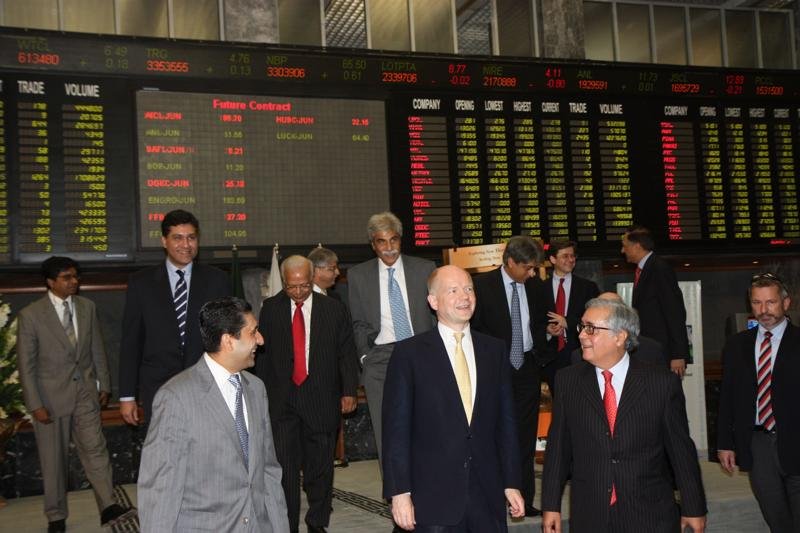
An order management system sits at the heart of any brokerage. It is the software that receives a client’s order, checks it, routes it to the market, tracks it through execution and keeps a record of every step. When that process is slow or manual, orders can be delayed, mis-keyed or lost in the paperwork between the front desk and the back office. LSE Financial Services says adding artificial intelligence to that workflow will help brokers manage orders more efficiently, cut down manual work and respond faster when the market moves. The company has not published a detailed feature list for the AI layer, so the announcement is best read as a first step: the system is live, and the intelligence sits on top of the order flow brokers already use every day.
Built on the Smart Back Office System

The new system does not arrive on its own. It is integrated with the company’s existing Smart Back Office System, which already supports a client base of 60 brokers across Pakistan. That matters because the back office is where the unglamorous but essential work happens: client accounts, settlements, record-keeping and compliance reporting. By joining the two, LSE Financial Services says it can now offer brokers a complete stock market solution package, including online brokerage capabilities, from order entry through to settlement. For smaller brokers in particular, that kind of bundled package is significant — it offers institutional-grade tooling without the cost of building and maintaining separate systems in-house.
A bigger digital-assets push

Alongside the launch, the company has decided to apply for a digital assets custodian licence from the Pakistan Virtual Assets Regulatory Authority, known as PVARA. Custody is the business of safely holding digital assets on behalf of clients, and a licence from PVARA would let the company offer that service inside Pakistan’s regulated framework rather than outside it. The blockchain-based custody solutions themselves are being developed by its associated company, Digital Custodian Company Limited. The licence has not been granted — the company has only announced its intention to apply — but the direction is clear: LSE Financial Services wants a foothold in digital assets as well as in the traditional brokerage technology it already sells.
From stock exchange to tech provider
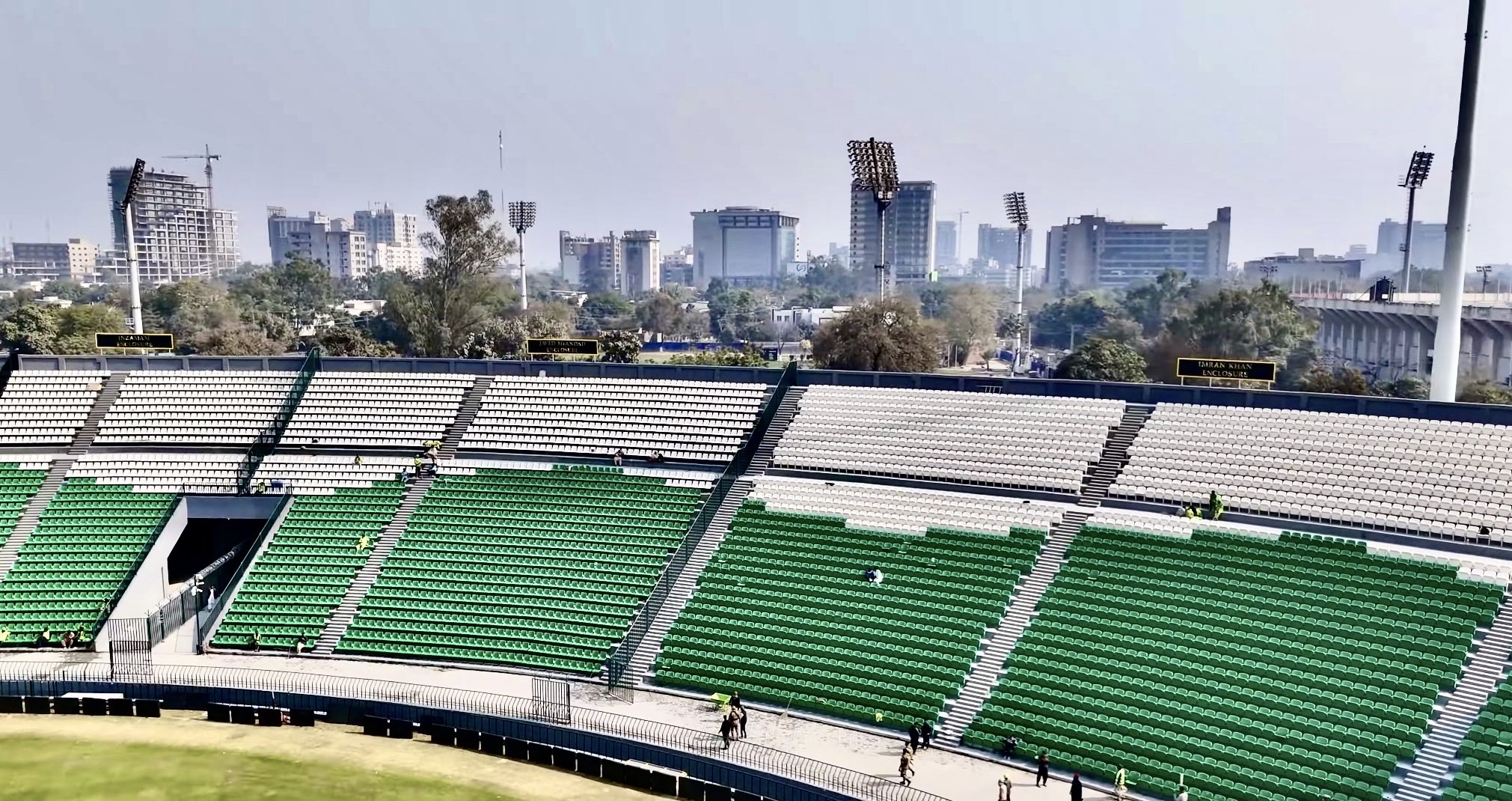
The announcement is the latest step in a long reinvention. LSE Financial Services was incorporated more than five decades ago as the Lahore Stock Exchange (Guarantee) Limited, and for most of its life it was exactly what its old name suggests — a stock exchange company. Restructuring in recent years has moved it steadily away from that role. Early last year its licence as a non-banking finance company expired, and the company chose not to renew it, so it no longer operates as an NBFC. What remains is a listed technology and infrastructure business selling software and services to the brokerage industry. The AI order management system, combined with the established Smart Back Office System, is the clearest product of that shift so far.
What it means for brokers and investors

For brokers, the promise is straightforward: faster, less manual order handling, and one integrated package instead of a patchwork of systems. For ordinary investors, the effect is indirect but real — if brokers adopt the system, placing and tracking orders online should become smoother and more reliable. The bigger question is adoption: 60 brokers already use the back-office platform, so the company has a ready-made audience for the new tool, and the next numbers to watch are how many of them switch on the AI system and whether the PVARA application succeeds. Either way, the filing marks a notable moment for Pakistan’s capital markets — a former stock exchange betting its future on artificial intelligence and digital assets.
Sources: Business Recorder, Pakistan Company News
Related Posts
 TechnologyPakistan Jumps 17 Places to 119th in UN E-Governance Ranking 2026 — Best-Ever Position
 TechnologyAnthropic Mathematician Claims Claude Helped Prove the 167-Year-Old Riemann Hypothesis
 TechnologyGTA 6 Makes $3.79 Billion on Day One — Biggest Entertainment Launch in History
 TechnologyPakistan 9.4 Million Cyberattacks in One Year, Kaspersky Reports
 TechnologyPakistan Fiber Broadband Jumps 73% to 4.03 Million as PTCL Share Slides to 25%
 TechnologyPUBG MOBILE WOW Dash Pakistan: 8,000 Players Compete, Two Winners Head to PMGC in Türkiye
Most Popular
 How-ToPTA Tax Calculator 2026: Check Mobile Tax on Any Phone421 views
 Pakistan NewsPIA Boeing 787 Lease Deal: What It Means for the Airline396 views
 Canada JobsTech Jobs in Canada: Roles, Salaries, and Skills Needed392 views
 SportsUEFA Champions League 2026-27: Format, Teams and Schedule390 views
 TechnologyPM Shehbaz Sets November Deadline for Alibaba AI and Digitalisation Projects in Pakistan370 views
 ShowbizWomen’s Fashion in Pakistan 2026: Trends, Brands and Style Guide366 views