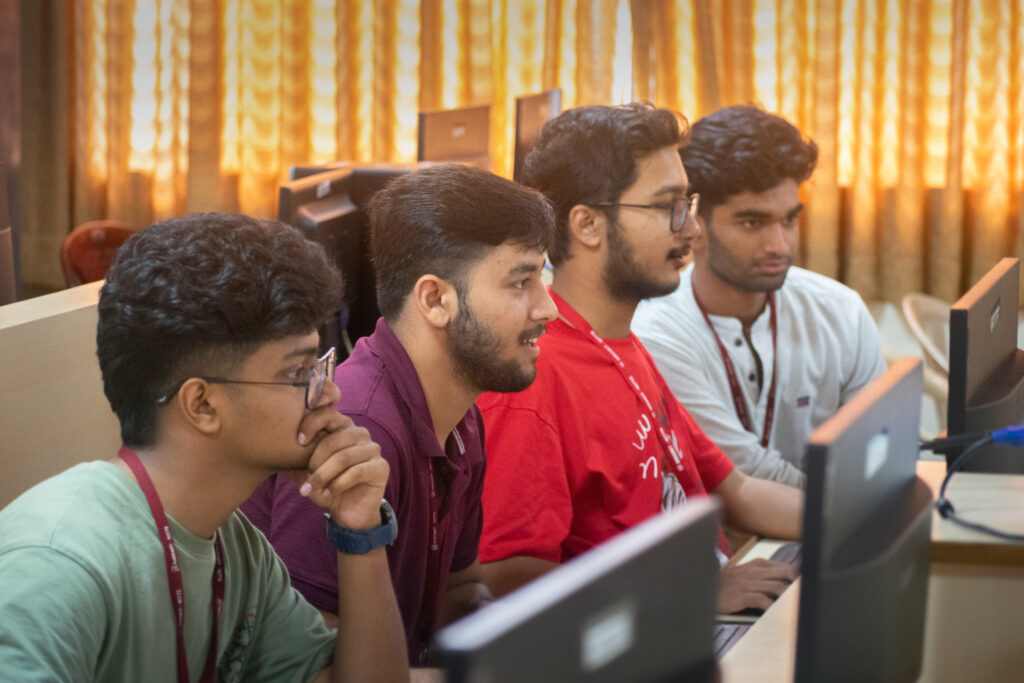
25,898 Teachers, One From Every School
Punjab teachers AI training is about to reach every corner of the province. From Monday 23 November 2026, the Punjab government will begin training 25,898 public school teachers to use artificial intelligence in their classrooms, in one of the largest AI skills programmes for teachers Pakistan has ever seen.
The programme is organised by the School Education Department Punjab together with the Punjab Education Curriculum, Training and Assessment Authority (PECTAA), under the TALEEM project. One Primary School Teacher from every government primary and elementary school in the province has been nominated as an AI Focal Person, and each of them will attend a two-day, face-to-face workshop at tehsil level.
The order went out through an official PECTAA directive, numbered PECTAA/Director(T&C)/2026-45 and issued on 18 November 2026, to district education authorities and district PECTAA heads across Punjab. The scale is the story: 25,898 teachers, one from each school, trained in the same five-week window.
Five Batches From 23 November to 3 December
The training runs in five consecutive two-day batches. Batch 1 runs on 23 and 24 November, Batch 2 on 25 and 26 November, and Batch 3 on 27 and 28 November. Sunday 29 November is kept as a break, Batch 4 follows on 30 November to 1 December, and the final batch runs from 2 to 3 December 2026.
Every tehsil will run the same five batches, one after another, so that teaching is not disrupted across all districts at the same time. Each nominated teacher must bring a working laptop, smartphone or school tablet, along with its charger, because the workshops are hands-on rather than lectures.
According to TechJuice, the first batch will train on 23 and 24 November, with the final batch completing on 3 December.
What the Training Will Cover
The two-day workshop teaches five practical classroom skills. Teachers will practise AI-assisted lesson planning, with prompts shaped to Punjab Textbook Board standards; building quizzes and tests for different ability levels in the same room; creating classroom content, from reading passages to flashcards; personalised learning, breaking hard ideas into simpler steps for slow learners; and safe use, spotting AI mistakes and checking facts before material reaches a class.
The safe-use module matters most. Punjab teachers AI training is not about letting a chatbot write the lesson and walking away. Teachers will learn to check AI-generated material, catch errors, and use the tools responsibly, so that the technology supports teaching instead of replacing the teacher’s judgement.
Why Punjab Is Betting on AI in Classrooms
This is not a one-off workshop. It sits inside a wider push to bring modern technology into Punjab’s government schools. The programme uses a cascade model put in place two months ago: 40 Lead Master Trainers support 680 Master Trainers, who in turn train the AI focal persons at tehsil level. The broader provincial programme aims to reach more than 150,000 educators over time.
The move also fits a pattern of technology reaching Punjab’s classrooms. The federal government has already launched a scheme to put 500,000 Chromebooks in the hands of students, and devices in classrooms are only useful if teachers know how to use them well.
There is a cautionary side too. South Korea has just tightened exam security after its top scorer confessed to cheating with AI and a hidden camera, a reminder that the same tools can be misused. Punjab’s training answers that risk directly, by teaching teachers to spot AI misuse as well as AI opportunity.
What Happens After the Workshops
The training does not end when the two days are over. Each AI focal person returns to their own school and helps colleagues learn the same skills, spreading the training from one teacher to a whole staff room. Follow-up support continues through the programme’s learning management system, with mentorship after the face-to-face sessions.
For parents, the change should show up in the classroom: better-planned lessons, quicker feedback on homework and tests, and learning material matched to each child’s level. For teachers, it is a new skill set that is fast becoming as basic as the blackboard once was.
As NextUp News reports, the first batch opens on Monday 23 November at tehsil centres across Punjab. If the rollout stays on schedule, nearly 26,000 classrooms will have a teacher trained in AI by the first week of December — and every one of them will be expected to pass it on.
Related Posts
 EducationHEC Opens Free Coursera Licences for Pakistani Students — 25,000 Courses, No Fees
 EducationPakistan Proposes a Virtual Green University at COP31 — A University With No Campus, Plus a Fund for Young Climate Innovators
 EducationBSEK Chromebook Merit List 2026: 14,000 Karachi Students Selected — How to Check Your Name and Register
 EducationSindh Private MBBS and BDS Admissions 2026-27 Open Tomorrow: Apply 10–24 November Through JSMU
 EducationHEC Honours 23 Pakistani Students for Winning Medals at 2026 International Science OlympiadsEducationMDCAT Registrations Fall by a Third in Four Years as Students Turn Away From Medicine
Most Popular
 How-ToPTA Tax Calculator 2026: Check Mobile Tax on Any Phone420 views
 Pakistan NewsPIA Boeing 787 Lease Deal: What It Means for the Airline396 views
 Canada JobsTech Jobs in Canada: Roles, Salaries, and Skills Needed392 views
 SportsUEFA Champions League 2026-27: Format, Teams and Schedule389 views
 TechnologyPM Shehbaz Sets November Deadline for Alibaba AI and Digitalisation Projects in Pakistan370 views
 ShowbizWomen’s Fashion in Pakistan 2026: Trends, Brands and Style Guide366 views


One comment