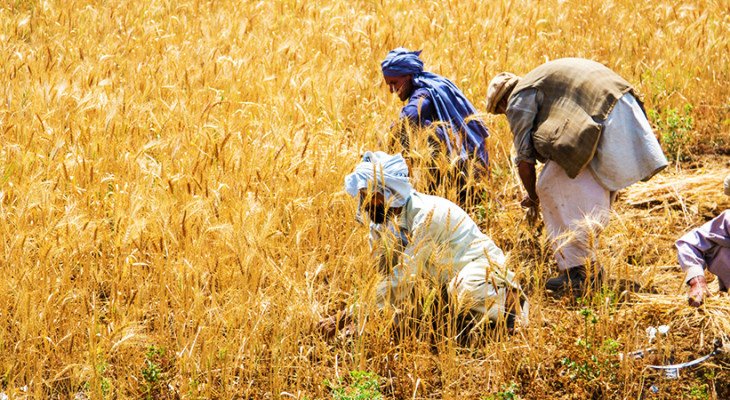
A new United Nations report has delivered a stark warning for Pakistan: Punjab heatwaves are no longer an occasional hardship. They are now cutting deep into the province’s farms, its food supply and the health of the women who work its fields.
The assessment, titled “Extreme Heat and Agriculture” and published jointly by the UN Food and Agriculture Organisation (FAO) and the World Meteorological Organization (WMO), finds that rising temperatures have become one of the most serious and immediate threats to food production — in Punjab and around the world.
For a province that feeds much of the country, the numbers in the report are alarming. And for the rural families who live off the land, the damage is already visible in smaller harvests, thinner incomes and emptier plates.
Punjab Heatwaves Cut Fruit Yields by Half

The sharpest finding concerns Punjab’s fruit growers. In the province’s high-rainfall zones, fruit productivity has fallen by as much as 50 per cent, the UN agencies found — a collapse that strips orchard owners of half their crop before a single crate reaches the market.
“The effects of extreme heat on production are stark, as heat waves have led to significant declines in crop yields,” the report said. It is a warning that reaches far beyond orchards: when heat repeatedly scorches standing crops, the whole food chain feels it, from the farm gate to the kitchen table.
The report describes rising temperatures as one of the most serious and acute hazards facing global food production, threatening the livelihoods of billions of people while inflicting immediate economic and nutritional damage on vulnerable farming communities.
Livestock Under Strain: Less Milk, More Disease

Animals are suffering alongside crops. Large ruminants produce less milk under heat stress, the report found, cutting the daily income of families who depend on selling milk. Small ruminants face a different danger: increased outbreaks of foot-and-mouth disease as heat weakens herds and spreads infection.
For households that keep a buffalo or a few goats as their safety net, that combination is devastating. Less milk means less money coming in, and sick animals mean vet bills and lost stock at exactly the moment families can least afford them.
The Double Burden on Rural Families
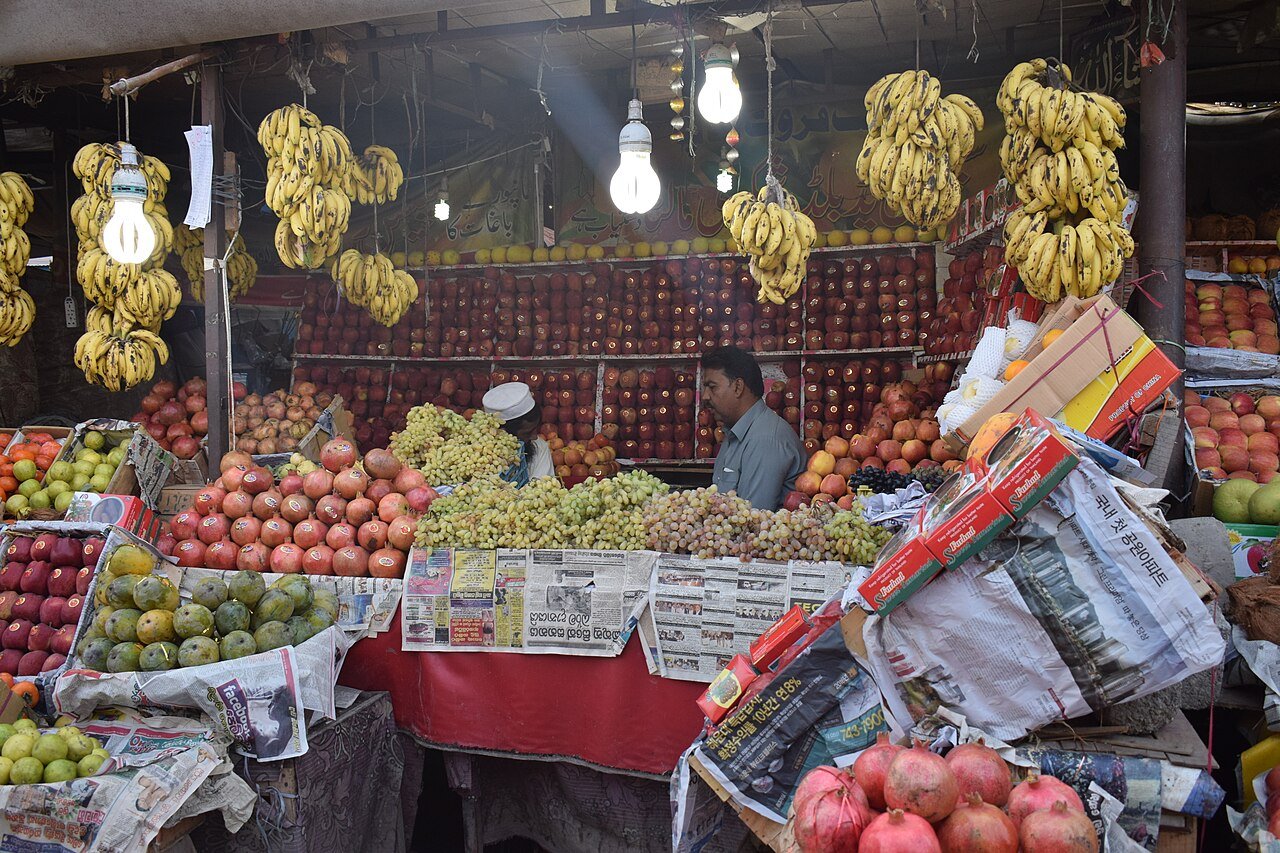
The crisis does not stop at the farm gate. Extreme heat accelerates the spoilage of vegetables, dairy products and other perishable goods, so food that is harvested often goes bad before it can be sold or eaten. That shrinks local food availability and pushes market prices up.
Rural families are therefore caught in what the report calls a double burden. They grow less diverse and nutritious food for their own consumption, and at the same time they lose the agricultural income they rely on to buy food from markets. “This double burden severely limits their access to healthy diets,” the report said.
When a family earns less from its fields and pays more at the shop, the first thing to disappear is variety on the plate — and with it, the nutrition that children and mothers need most.
Women Bear the Heaviest Burden of Punjab Heatwaves

The report is clear that the crisis does not fall evenly. Women in Punjab play an essential role in agriculture — harvesting, collecting water and carrying out physically demanding household work — and that work keeps them outdoors in high temperatures for long hours, raising their risk of heat-related illness.
The health risks are sharpest for pregnant and lactating women, whose greater nutritional needs are often the first to be compromised when food runs short at home. Research cited in the report indicates that each 1°C rise in temperature is associated with a 4 per cent increase in the likelihood of preterm birth. During heatwaves, the risk of preterm birth jumps to 26 per cent.
Social inequalities make the danger worse. Despite their central role in farming, women often lack ownership of land and other assets they would need to access credit and financial services that could help them adapt. They also have limited access to climate information and early warning systems, leaving them less prepared when a heat event arrives.
Many cope by eating less themselves so that other family members can eat — a sacrifice that further weakens their own health and resilience, and one the report links to broader patterns of gender discrimination.
A Global Warning Worth $40 Billion

Beyond Punjab, the FAO and the WMO warn that extreme heat is acting as a powerful risk multiplier across every agricultural subsector worldwide. Rising temperatures amplify drought, heighten the risk of destructive wildfires and create complex compound impacts that endanger not only global food production but the health of the farm workers on the front lines.
The global figures are sobering. Under high-emission scenarios, nearly half the world’s cattle could be exposed to dangerous heat by 2100, with annual losses nearing $40 billion. Under a low-emission scenario, the impacts on livestock from extreme heat fall by nearly two-thirds — a measure of how much is still in human hands.
In the oceans, marine heatwaves have already caused repeated mass mortality events and forced entire fish stocks to migrate in search of cooler water. Fruit and nut trees and natural forests face production losses and a growing risk of more frequent and intense wildfires.
What Punjab Needs to Adapt

The report also points to a dangerous feedback loop. When heat-driven shortfalls in crop and livestock production push farmers to clear additional land to make up lost yields, the resulting land-use changes increase greenhouse gas emissions — fuelling the very climate change that caused the losses in the first place.
Breaking that cycle, the report’s findings suggest, starts with the gaps it names most clearly: early warning systems and climate information that actually reach rural communities, financial services that women farmers can access, and support that helps farming families adapt before the next heatwave arrives rather than after it.
For Punjab’s farmers, the message of the UN report is not about a distant future. Fruit yields have already halved in parts of the province, milk output is falling and the women who grow the food are paying the highest price. The heat is here — and the cost of ignoring it is measured in harvests, incomes and lives.
Related Posts
 Pakistan News92 News Anchor Rabia Ahsan Shot Dead in Rawalpindi; Husband Held
 Pakistan NewsNA-77 By-Election Final Result: PML-N’s Rashid Basheer Virk Wins Gujranwala Seat by 13,147 Votes
 Pakistan NewsPCRWR Declares 27 Bottled Water Brands Unsafe in Pakistan — Full List
 Pakistan NewsPP-203 By-Election Result: PML-N’s Asad Hanif Wins by 17,602 Votes
 Pakistan NewsMaryam Nawaz Removes Jhelum DC After Exam Postponed for Her Visit
 Pakistan NewsPakistan Considers 12 Provinces: Referendum May Come Before Proposed 28th Amendment
Most Popular
 How-ToPTA Tax Calculator 2026: Check Mobile Tax on Any Phone419 views
 Pakistan NewsPIA Boeing 787 Lease Deal: What It Means for the Airline392 views
 Canada JobsTech Jobs in Canada: Roles, Salaries, and Skills Needed389 views
 SportsUEFA Champions League 2026-27: Format, Teams and Schedule386 views
 TechnologyPM Shehbaz Sets November Deadline for Alibaba AI and Digitalisation Projects in Pakistan367 views
 ShowbizWomen’s Fashion in Pakistan 2026: Trends, Brands and Style Guide362 views