Pakistan could be heading for the biggest redrawing of its administrative map since independence, with a proposal under consideration to increase the number of provinces from four to 12 — and a nationwide referendum envisaged before any constitutional change is attempted.
The proposal was reported by The News on Sunday, 8 November, citing sources familiar with the discussions. Under the plan, Punjab would be divided into four provinces, Khyber Pakhtunkhwa and Balochistan into three each, and Sindh into two, bringing the total to 12. A constitutional amendment to give effect to the change could be taken up in the first half of 2027, with preparatory steps possibly beginning in the first quarter of the year.
The report stresses that the idea remains at the consideration stage. No final decision has been taken on provincial boundaries, administrative structures or the constitutional process that such a major restructuring would require. The government has not formally announced the plan or attached its name to it.
What the 12-province proposal would change
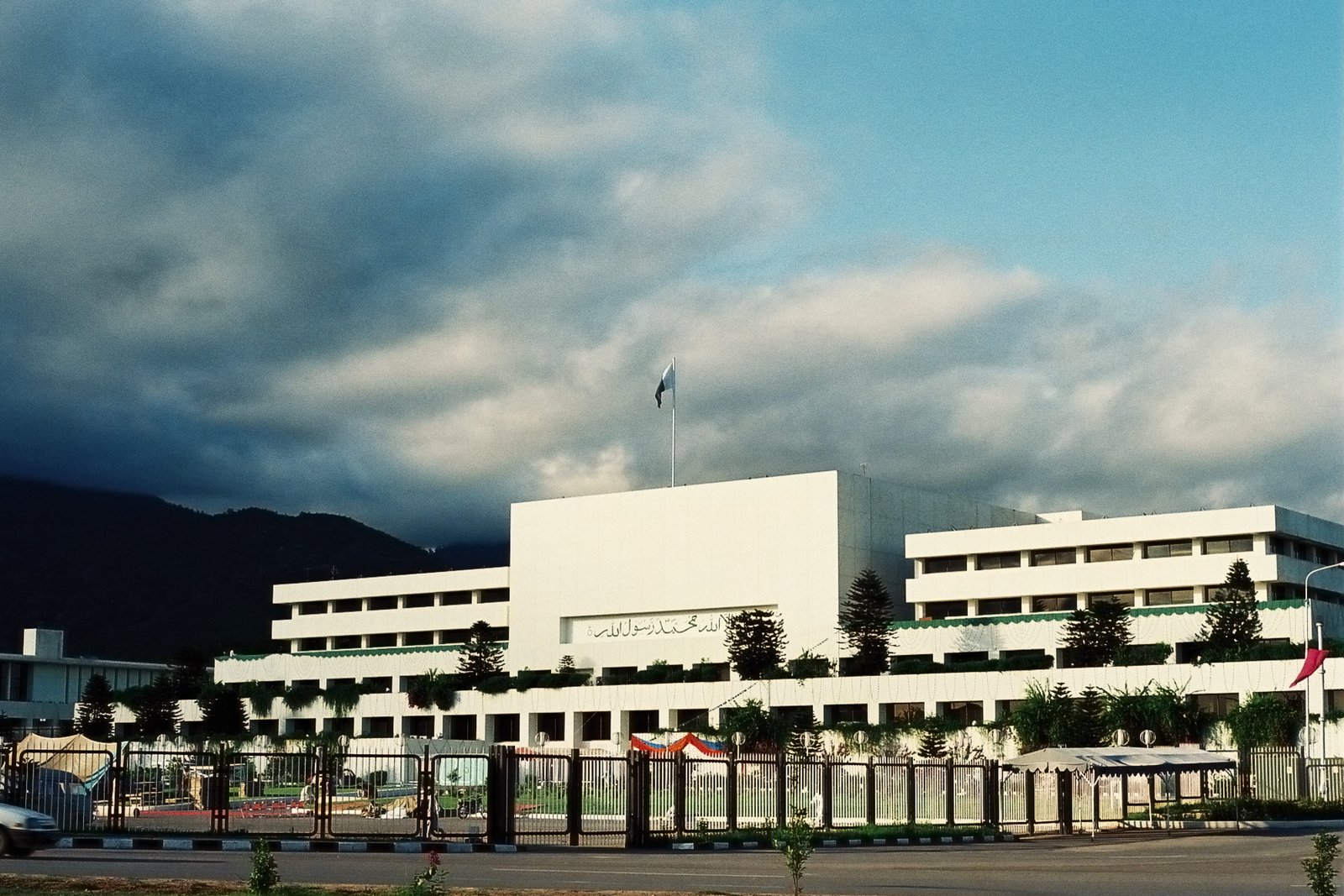
Pakistan currently has four provinces — Punjab, Sindh, Khyber Pakhtunkhwa and Balochistan. The proposal would split each of them into smaller units: four provinces out of Punjab, three each out of Khyber Pakhtunkhwa and Balochistan, and two out of Sindh.
Those behind the proposal say the aim is to improve governance, strengthen administrative efficiency and distribute development more equitably across the country. The argument, as put to The News, is that Pakistan’s growing population, administrative challenges and uneven development call for a fresh approach — one that brings government closer to ordinary citizens, improves access to public services and makes administration more responsive.
Sources familiar with the discussions said the exercise was not intended to target any particular province or to weaken the political or administrative standing of any existing unit. Proponents believe smaller administrative units would make it easier for governments to identify local priorities, monitor public-sector performance, close gaps in service delivery and respond more effectively to citizens’ everyday problems.
Why a referendum would come first

A key element of the approach is holding a nationwide referendum before the amendment process begins. The aim, according to the report, is to gauge public opinion on the broader question of creating new provinces and to establish a popular mandate for restructuring, rather than leaving the issue to political negotiation and partisan considerations.
The creation of new provinces has historically provoked strong reactions in Pakistan, with parties and regional stakeholders often viewing the issue through the lens of electoral interests, provincial identity and the distribution of power. Advocates of the referendum route argue that public opinion should take precedence over political calculation, and that the question should be judged primarily on grounds of administrative efficiency and public welfare.
A nationwide consultation could also help build consensus on the principle of restructuring, though the exact boundaries, resource distribution, constitutional safeguards and transfer of administrative responsibilities would still require extensive political and parliamentary deliberation.
The constitutional hurdles ahead

Any such restructuring would raise significant constitutional questions, including changes to the existing provincial framework and to representation, financial and administrative arrangements. The initiative would therefore require broader political engagement and constitutional consensus before it could become a reality.
Under Article 239(4) of the Constitution, a constitutional amendment altering the limits of a province requires approval by at least two-thirds of the total membership of the affected provincial assembly before proceeding through the federal parliamentary process. Under Article 48(6), the prime minister can refer a matter of national importance to a joint sitting of parliament, and if the joint sitting approves, the question may be put to voters in a nationwide referendum.
Prime Minister’s Adviser on Political Affairs Rana Sanaullah has previously said that any referendum on creating new provinces would require parliamentary approval. Constitutional lawyer Hafiz Ahsaan Ahmad Khokhar has argued that nothing in the law requires a referendum on new provinces — a reminder that even the procedure for the plan is itself a matter of legal debate.
Doubts and divisions over the plan

The proposal has already drawn mixed signals from within government ranks. On 4 September, Planning Minister Ahsan Iqbal called for a national debate on administrative reforms and proposed creating between 12 and 15 provinces, arguing that the existing provincial structure had become increasingly centralised. On 30 October, however, he said the government was not drafting a 28th Constitutional Amendment to create new provinces, emphasising instead the need to strengthen local government institutions.
Special Assistant to the Prime Minister Huzaifa Rehman pointed to a faster track on 1 November, saying the 28th Amendment could come before the end of this year. The latest reported proposal therefore does not represent an officially approved government plan or a formally introduced constitutional amendment.
Political resistance is also expected. The Pakistan Peoples Party, which has traditionally positioned itself as a defender of provincial autonomy under the 18th Amendment, is expected to closely scrutinise any plan that could alter Sindh’s existing boundaries, while Jamiat Ulema-e-Islam-Fazl has historically expressed reservations about the creation of new provinces.
For now, the idea of 12 provinces remains under discussion, with the proposed referendum and the 2027 timeline yet to receive formal government approval. Whether it gathers political traction in the coming months — or fades like earlier proposals for new provinces — will depend on consultations that, according to the report, could begin as early as January.
Related Posts
 Pakistan NewsPoliceman Martyred as Motorcycle Bomb Explodes in Shangla’s Chakesar Area
 Pakistan NewsSupreme Court Acquits Two Brothers in Blasphemy Case After 20 Years on Death Row
 Pakistan NewsMilitant Attacks in Pakistan Jump to 49 in a Week as Violence Surges Again, PICSS Reports
 Pakistan NewsSanam Javed Files for Khula From Husband Atiq Riaz, Lahore Family Court Issues Notice for November 25
 Pakistan NewsKP to Launch Five Mobile Drug Testing Labs Next Week — Fake Medicines Checked on the Spot
 Pakistan NewsBy-Elections Today: Polling Under Way in NA-77 Gujranwala and PP-203 Sahiwal
Most Popular
 How-ToPTA Tax Calculator 2026: Check Mobile Tax on Any Phone419 views
 Pakistan NewsPIA Boeing 787 Lease Deal: What It Means for the Airline392 views
 Canada JobsTech Jobs in Canada: Roles, Salaries, and Skills Needed389 views
 SportsUEFA Champions League 2026-27: Format, Teams and Schedule386 views
 TechnologyPM Shehbaz Sets November Deadline for Alibaba AI and Digitalisation Projects in Pakistan367 views
 ShowbizWomen’s Fashion in Pakistan 2026: Trends, Brands and Style Guide362 views