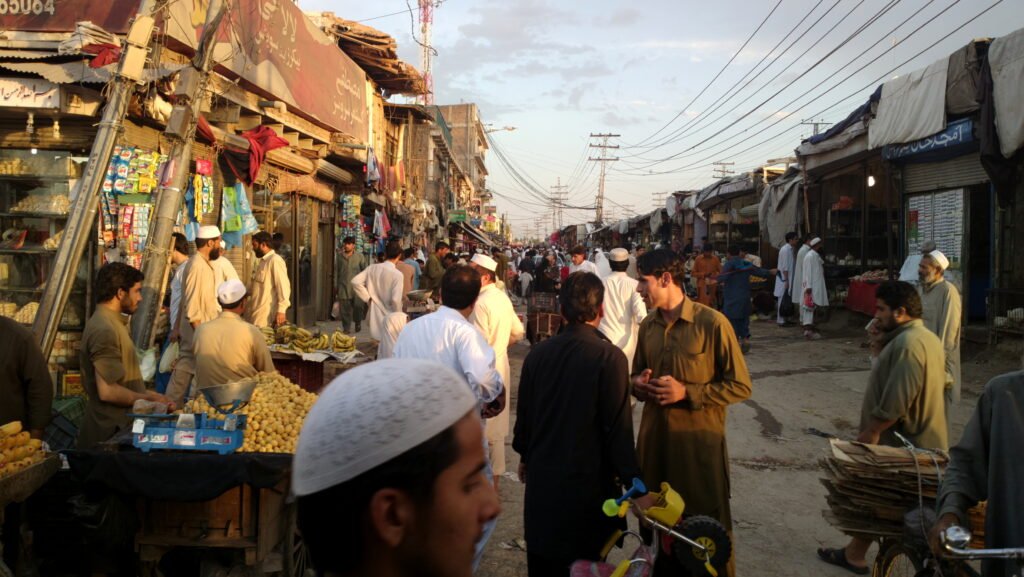
Veteran actress and host Hina Bayat Khawaja has set social media alight with a finding nobody expected. Speaking on ARY Digital’s morning show Good Morning Pakistan, she shared the results of a small social experiment — and they turned a common assumption about women’s safety upside down. According to Bayat, the women who covered themselves the most were the ones harassed the most. (Source: Social Diary)
The disclosure has divided viewers. Some praised her for saying out loud what many women have experienced in silence, while others argued that a woman’s religious dress is her own choice and has nothing to do with how she is treated. But the debate itself is the point: Bayat’s story has reopened a conversation Pakistan has never really finished — about who is responsible when a woman is harassed in public.
What the experiment found
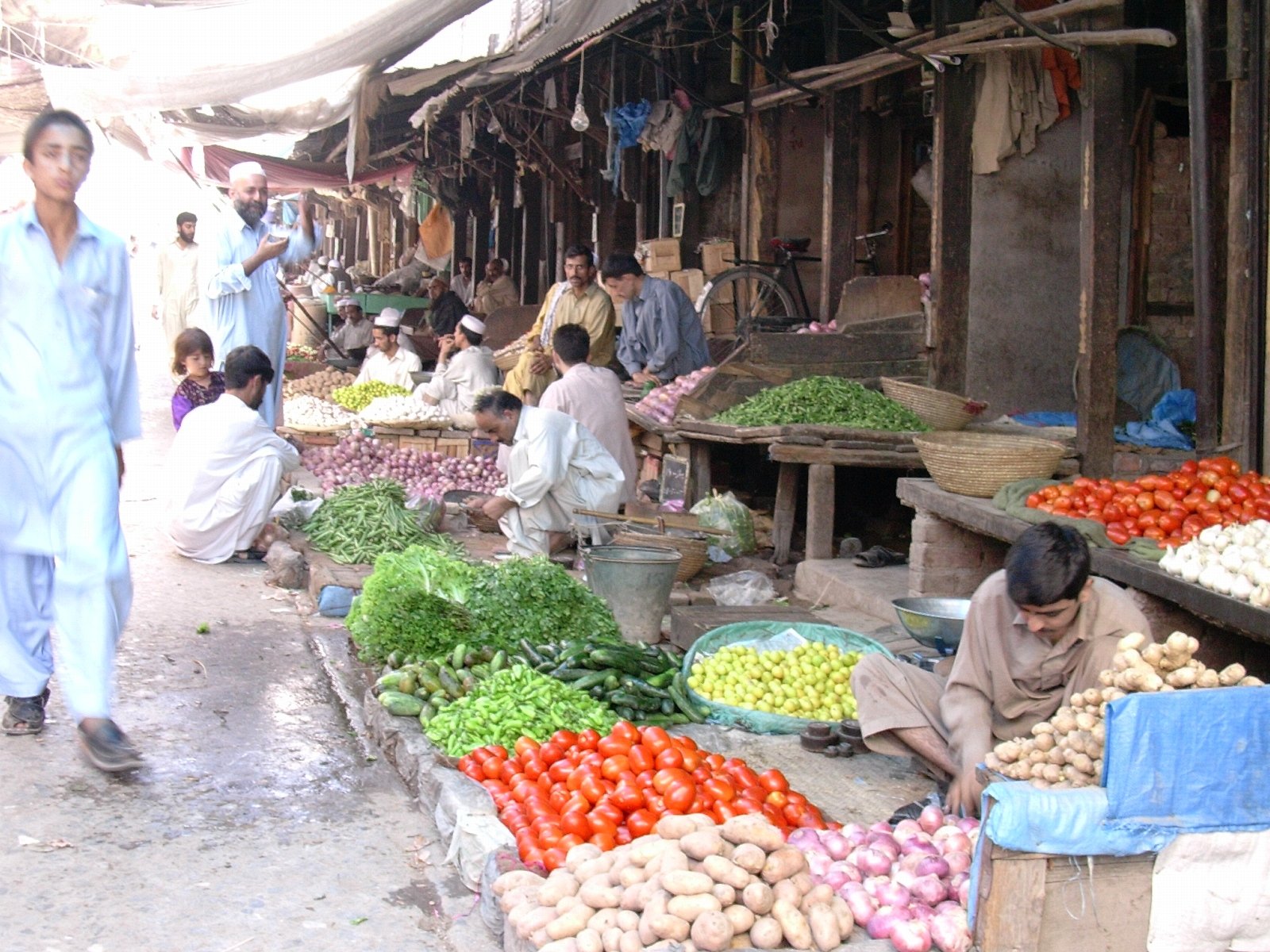
The experiment was carried out as part of a social awareness programme. Two young women were sent through a busy local marketplace wearing three different outfits, so that the reactions of passers-by could be observed and compared.
In standard, everyday modest clothing, the women were stared at but faced no direct harassment. When they covered their heads with a dupatta, the atmosphere changed — they drew unwanted attention and inappropriate behaviour. And when they wore a full hijab, the harassment became more noticeable still, including physical taps and verbal teasing.
The pattern surprised even the people who ran the exercise. The expectation had been that covering up would mean being left alone. The reality, as Bayat described it on the show, was the opposite.
Why she thinks covered women were targeted
Bayat offered her own reading of the results. In her view, some of the men in the marketplace saw a fully covered woman and assumed she would be submissive — someone unlikely to answer back or defend herself. A woman in everyday modest dress, by contrast, was read as confident and assertive, and was left alone.
It is an uncomfortable explanation, and it is hers, not a proven fact. The experiment involved two women in a single marketplace, and it was an awareness exercise rather than a scientific study. But the idea behind it is one many Pakistani women say they recognise from their own lives: that harassers look for vulnerability, not for a particular style of dress.
That distinction matters. Bayat was not suggesting that any outfit invites harassment. Her point was about the mindset of the harasser — that some men interpret modesty as weakness, and act on it.
“Women are not safe at home either”

The same appearance covered a second, equally serious point. Bayat told host Nida Yasir that the conversation about women’s safety cannot stop at the street, because women face harassment inside their own homes too — within extended and joint families, at weddings and family gatherings, where male relatives may stare at or harass young women. (Source: Reviewit)
Her message was aimed squarely at parents. Teach sons what respect really means, she said. Respect is not only about treating women as the family’s honour, she argued — it is about genuinely knowing how to respect another person. If respect is given, she said, it is returned in society.
It was a reminder that harassment is not a problem of one place or one kind of clothing. It follows women from the marketplace into the drawing room, and the answer Bayat proposes starts at home.
The internet reacts — and splits down the middle
As clips from the show spread online, the reaction split sharply. Some viewers disagreed with Bayat’s framing, arguing that purdah is a religious choice and should not be part of a discussion about harassment at all. Others backed her, saying her account matched their own experiences of being judged — and targeted — according to what they wore.
A third group cut through the argument altogether. Harassment, they said, has nothing to do with a woman’s clothing. The responsibility always lies with the harasser, whatever a woman is wearing, wherever she is.
That, in the end, is the one point on which the whole debate converges. Whatever anyone thinks of the experiment, nobody in the discussion defended the harassment itself.
What this says about women’s safety in Pakistan

Hina Bayat is not a newcomer to difficult conversations. She began her television career as a talk-show host taking on burning social issues before becoming one of Pakistan’s most respected actresses, with acclaimed roles in dramas including Humsafar, Zindagi Gulzar Hai, Shehr-e-Zaat, Aunn Zara and Khuda Aur Mohabbat 3. She has used her platform before to speak about civil rights and the dignity of women.
Her latest remarks land at a moment when the conversation about women’s safety in Pakistan is louder than ever — from street harassment to online abuse to the treatment of women in public spaces. The experiment she described was small, and its findings are hers to report rather than science to cite. But the question it raises is a large one: if neither modest dress nor full covering keeps a woman safe, then the problem was never the clothing. It was always the men who choose to harass — and the society that decides whether to stop them.
Related Posts
 ShowbizSarah Khan Reveals Daughter Rania’s Face for the First Time on Good Morning Pakistan
 ShowbizQasam Crosses 16 Million Views in Five Days as Shae Gill and Afusic’s Coke Studio Hit Takes Over YouTube
 ShowbizSurtaal Kids to Open Asim Azhar’s Pakistan Tour — Viral Lahore Children Get Their First Big Concerts
 ShowbizRamayana Part 1 Day 1 Box Office: ₹50 Crore Advance Booking in India as Trade Trackers Project ₹150 Crore Worldwide Opening
 ShowbizTalha Chahour Reveals His Rutba Character Hadi Is Based on a Real Person
 ShowbizDeepak Perwani Calls Karachi “Dark and Depressing”, Praises Lahore’s New Look — Maryam Nawaz Replies “Most Welcome Bro”
Most Popular
 How-ToPTA Tax Calculator 2026: Check Mobile Tax on Any Phone417 views
 Pakistan NewsPIA Boeing 787 Lease Deal: What It Means for the Airline388 views
 Canada JobsTech Jobs in Canada: Roles, Salaries, and Skills Needed385 views
 SportsUEFA Champions League 2026-27: Format, Teams and Schedule383 views
 TechnologyPM Shehbaz Sets November Deadline for Alibaba AI and Digitalisation Projects in Pakistan363 views
 ShowbizWomen’s Fashion in Pakistan 2026: Trends, Brands and Style Guide359 views