Pakistan has confirmed its ninth polio case of 2026 after a seven-month-old child in Khyber district tested positive for the virus, health officials confirmed on Thursday. The child belongs to Union Council Mastak in Bara tehsil, and genetic testing has linked the virus to strains circulating in neighbouring Afghanistan.
The National Emergency Operations Centre (NEOC) for Polio Eradication confirmed the case on 5 November, the same week a nationwide vaccination drive is under way to reach nearly 24 million children across 97 districts. It is the third case reported from Khyber district this year and the seventh from Khyber Pakhtunkhwa, while Sindh has recorded two cases.
The new case is a reminder that the virus has not gone away, even though the numbers have fallen sharply. Pakistan recorded 74 polio cases in 2024 and 31 in 2025. Nine cases so far in 2026 is a clear improvement — but every new case in a baby shows the virus is still finding unvaccinated children.
A seven-month-old in Bara — the third case from Khyber district
The infected child is only seven months old, from Union Council Mastak in Bara tehsil of Khyber district. It is the third case from the same district this year, after a 13-month-old girl from Union Council Janbaz in Bara tested positive at the start of the month — the eighth case of the year, confirmed on 1–2 November — and a seven-year-old boy from the district earlier in the year.
The concentration of cases in one district matters. When three children from the same area fall ill in a single year, it points to the same thing health officials warn about every time: pockets of children who have been missed by repeated vaccination rounds, whether because teams could not reach them, families refused the drops, or children were away from home when vaccinators called.
The seventh case of the year, confirmed on 19 October, was a six-month-old boy from Union Council Jamali Colony in Karachi’s East district — the first polio case reported from Karachi since December 2024. That case showed the virus is not confined to one region: it can surface in a major city as well as in the tribal districts.
The virus trail leads across the border
Genetic analysis of the poliovirus found in all three cases from Khyber district this year shows links with strains circulating in Afghanistan, according to the NEOC. The finding is not a surprise to health officials, but it explains why the virus keeps reappearing in the border districts.
Pakistan and Afghanistan are the only two countries in the world where wild poliovirus transmission has never been stopped. The World Health Organization treats the two countries as a single epidemiological block, because the virus moves with people across a long, porous border — and vaccination gaps on either side put children on both sides at risk.
That is why the eradication programme watches sewage samples as well as sick children. Virus detected in sewage tells officials the germ is circulating silently in a community, sometimes for weeks before a child shows symptoms. Officials say detections in both children and sewage show the virus remains in circulation, even in a year when case numbers are down.
Nine cases in 2026 — far below 2024, but the virus is still moving
The nine cases recorded so far this year break down as seven from Khyber Pakhtunkhwa and two from Sindh. In Khyber Pakhtunkhwa, four of the cases have come from southern districts, with the Khyber district cluster now accounting for three.
The trend is encouraging: from around 20,000 cases in the early 1990s, Pakistan has cut polio by more than 99 per cent, and the fall from 74 cases in 2024 to 31 in 2025 and nine so far this year is real progress. But the programme’s own figures show how fragile that progress is. A single missed round in one district can be enough for the virus to find a child, and each infected child can pass it on to others who have not been fully vaccinated.
Children need multiple doses of the oral polio vaccine to build full protection, which is why the same children are visited again and again in every campaign. A child who has had one or two doses is not yet safe — and the youngest children, like the seven-month-old in Bara, are the most vulnerable of all.
The November drive: 24 million children in seven days
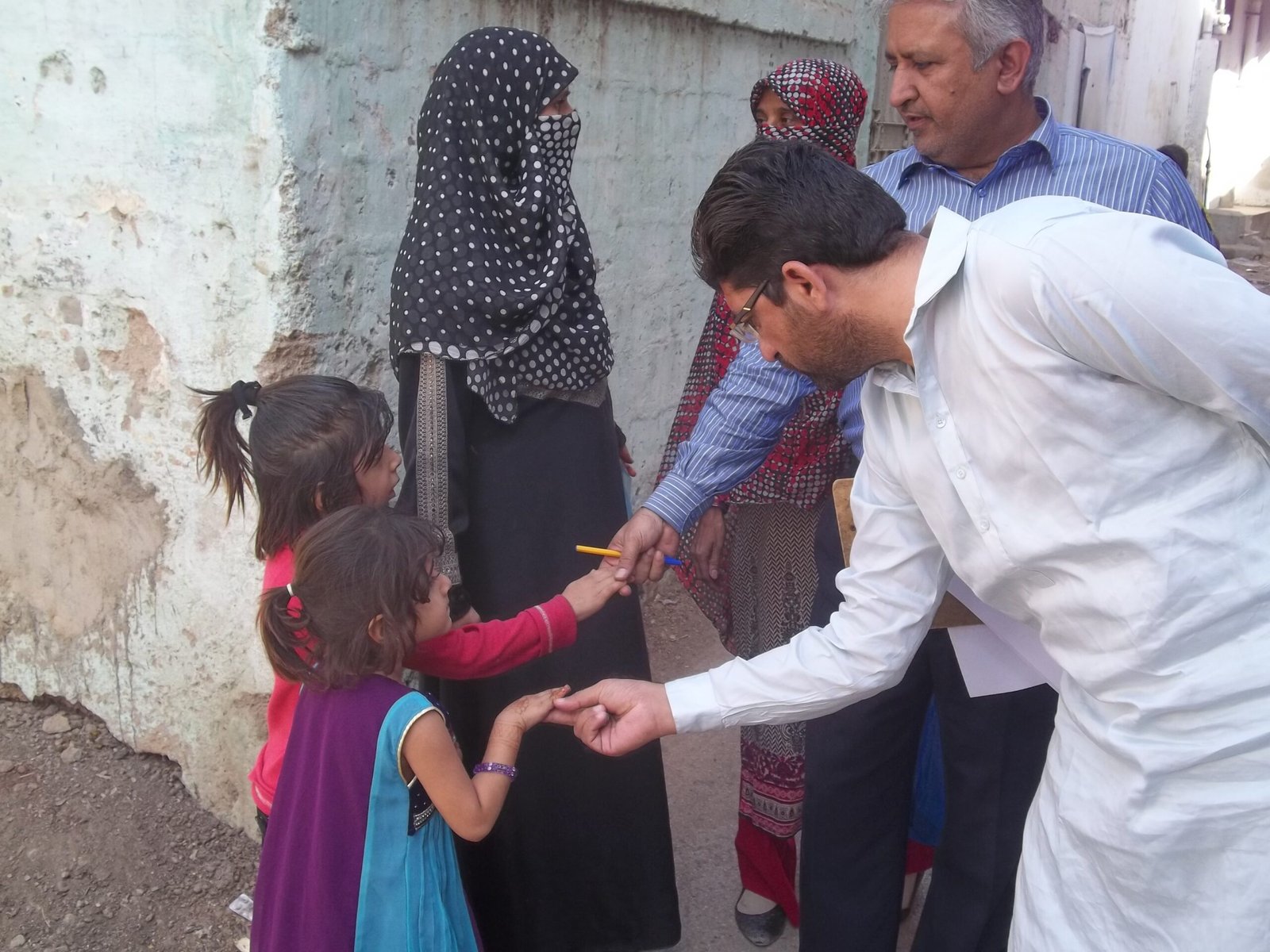
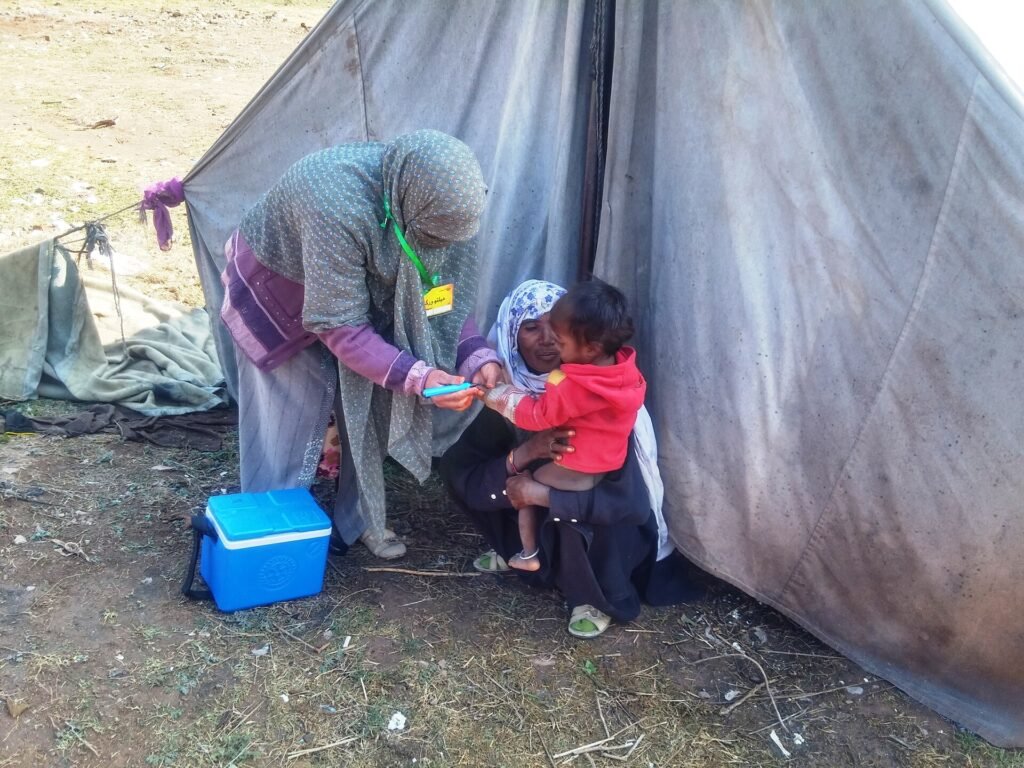
The case was confirmed in the middle of a seven-day sub-national vaccination campaign running from 2 to 8 November, targeting about 24 million children under five in 97 high-risk districts across the country. More than 6.68 million children received polio drops on the first day of the campaign, including more than 1.37 million in Khyber Pakhtunkhwa.
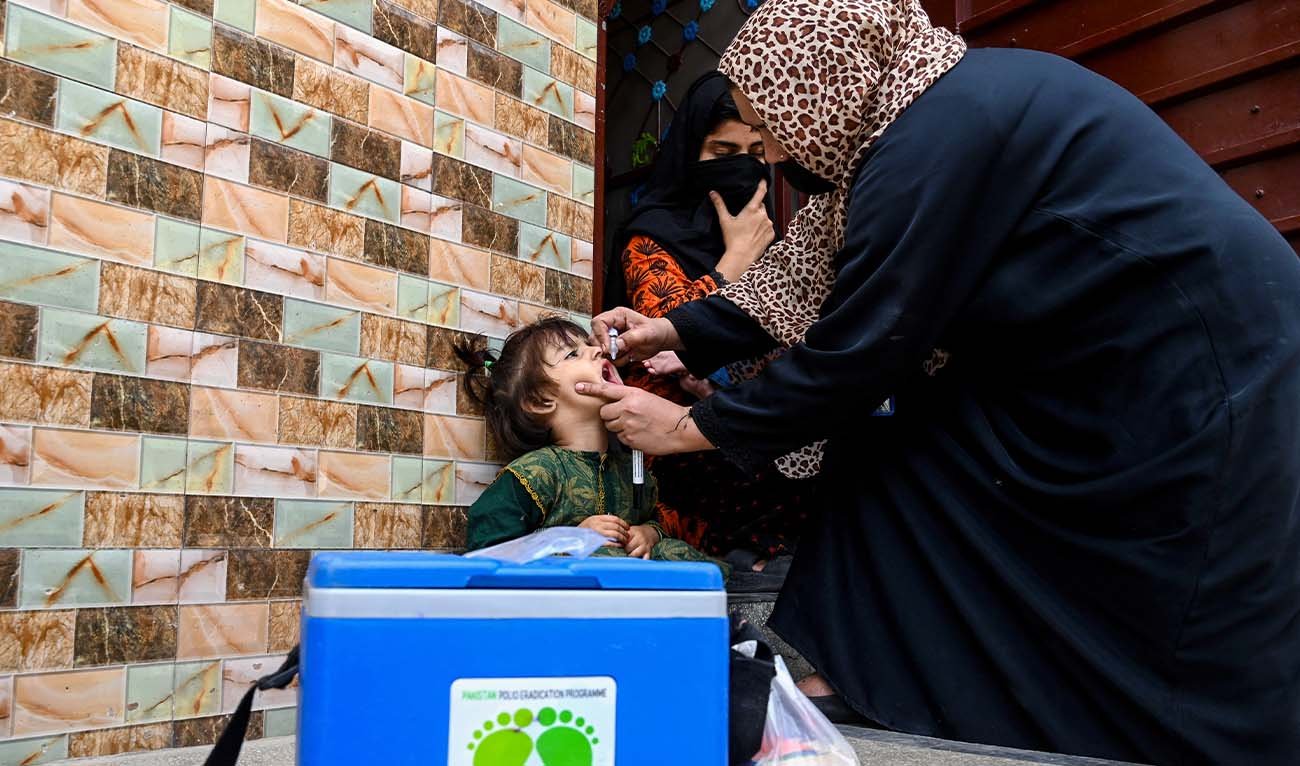
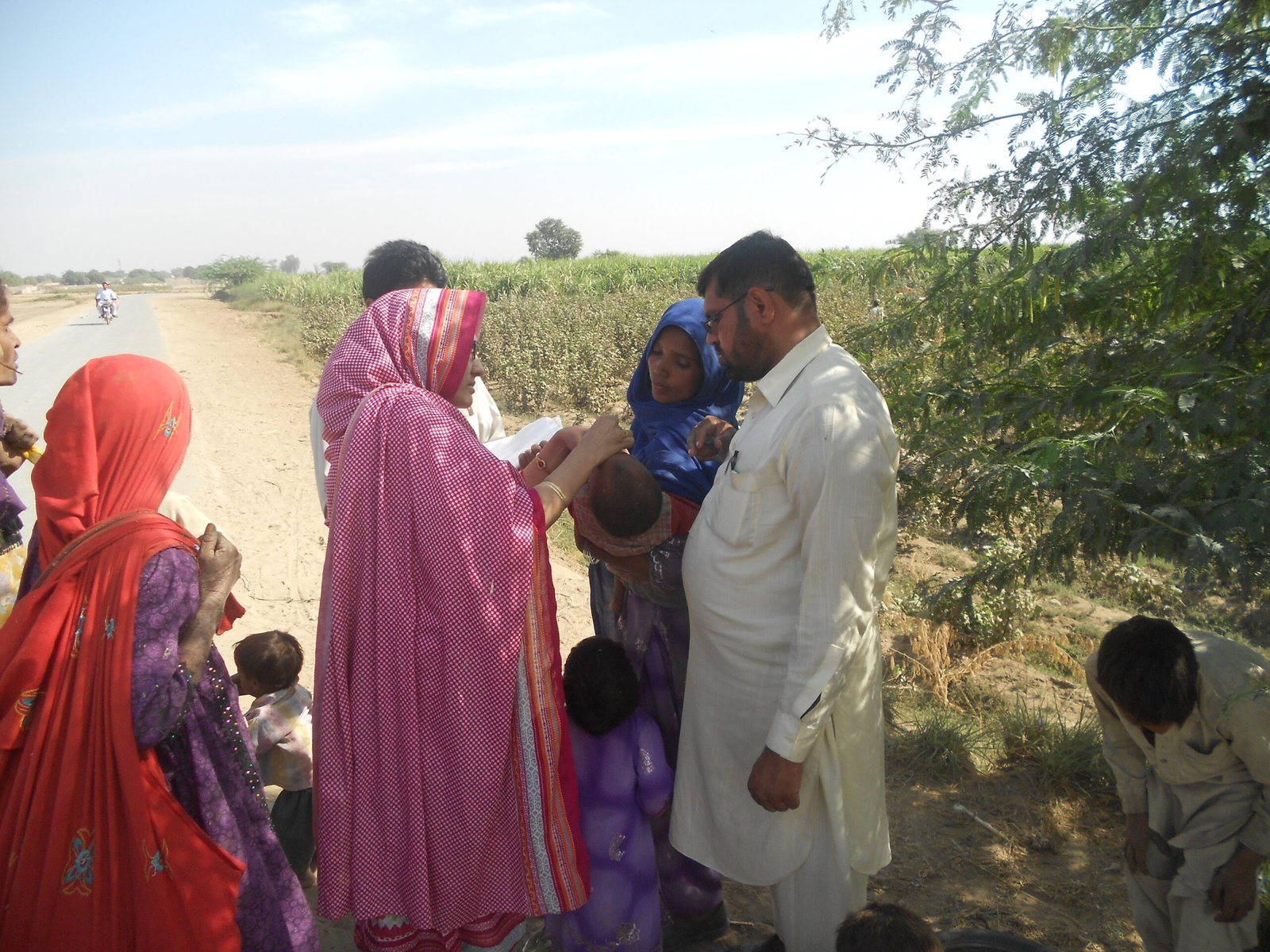
Federal Health Minister Syed Mustafa Kamal has urged parents to make sure every eligible child receives the oral polio vaccine during the campaign, regardless of whether the child has been vaccinated before. The drops are free, given at the doorstep by trained teams, and repeated doses are safe — they are how immunity is built up.
The campaign is deliberately timed and targeted: the 97 districts were chosen because they are the highest-risk areas, including the districts where cases and sewage detections have been found this year. Khyber district is among them.
Vaccinators working under threat
The campaign is also running under the shadow of violence against the people who deliver it. On Tuesday 3 November, two police officers were killed in Mohmand district while escorting a polio vaccination team, and a day earlier four polio workers were abducted in Tank district. Both incidents are covered in detail in our earlier report, and they underline the risk frontline teams face in the districts where the virus is strongest.
Security for vaccination teams has been tightened for this round, but the attacks are a reminder that eradication is not only a medical challenge. Every team that cannot complete its route leaves children unvaccinated — and every unvaccinated child is a chance for the virus to survive another year.
What parents should do
If you have a child under five, make sure they get the polio drops during this campaign, which runs until 8 November. It does not matter if your child was vaccinated in the last round — every round counts, and every dose adds protection. If a vaccination team has not reached your home, take your child to the nearest health facility or vaccination point.
Polio has no cure. Once the virus paralyses a child, the damage is permanent. The vaccine is the only protection, and it is free. A seven-month-old baby in Bara is the ninth reminder this year that the virus is still here — and that the drops are the only thing standing between it and the next child.
Related Posts
 Pakistan NewsSalik Vows “Proper Response” to Maryam Nawaz’s Rs5 Billion Defamation Notice as Punjab Row Escalates
 Pakistan NewsMr Patlo Gets Protective Bail From Islamabad High Court Until November 10 After Sialkot Stampede Case
 Pakistan NewsECP Postpones Local Government Elections Across Khyber Pakhtunkhwa After Federal Order Suspends Article 140-A
 Pakistan NewsSenator Faisal Raza Abidi Claims Pakistan Will Be World’s Richest Country by 26 November — Viral Clip Sparks Laughter
 Pakistan NewsKarachi Shop Roof Collapse Kills One Near New Nazimabad Flyover as Rescue Teams Search for More Trapped
 Pakistan NewsOne Constitution Avenue to Become Five-Star Hotel in Islamabad
Most Popular
 How-ToPTA Tax Calculator 2026: Check Mobile Tax on Any Phone417 views
 Pakistan NewsPIA Boeing 787 Lease Deal: What It Means for the Airline388 views
 Canada JobsTech Jobs in Canada: Roles, Salaries, and Skills Needed384 views
 SportsUEFA Champions League 2026-27: Format, Teams and Schedule383 views
 TechnologyPM Shehbaz Sets November Deadline for Alibaba AI and Digitalisation Projects in Pakistan363 views
 ShowbizWomen’s Fashion in Pakistan 2026: Trends, Brands and Style Guide358 views