Inflation Rate Pakistan 2026: Latest CPI Figures and Analysis
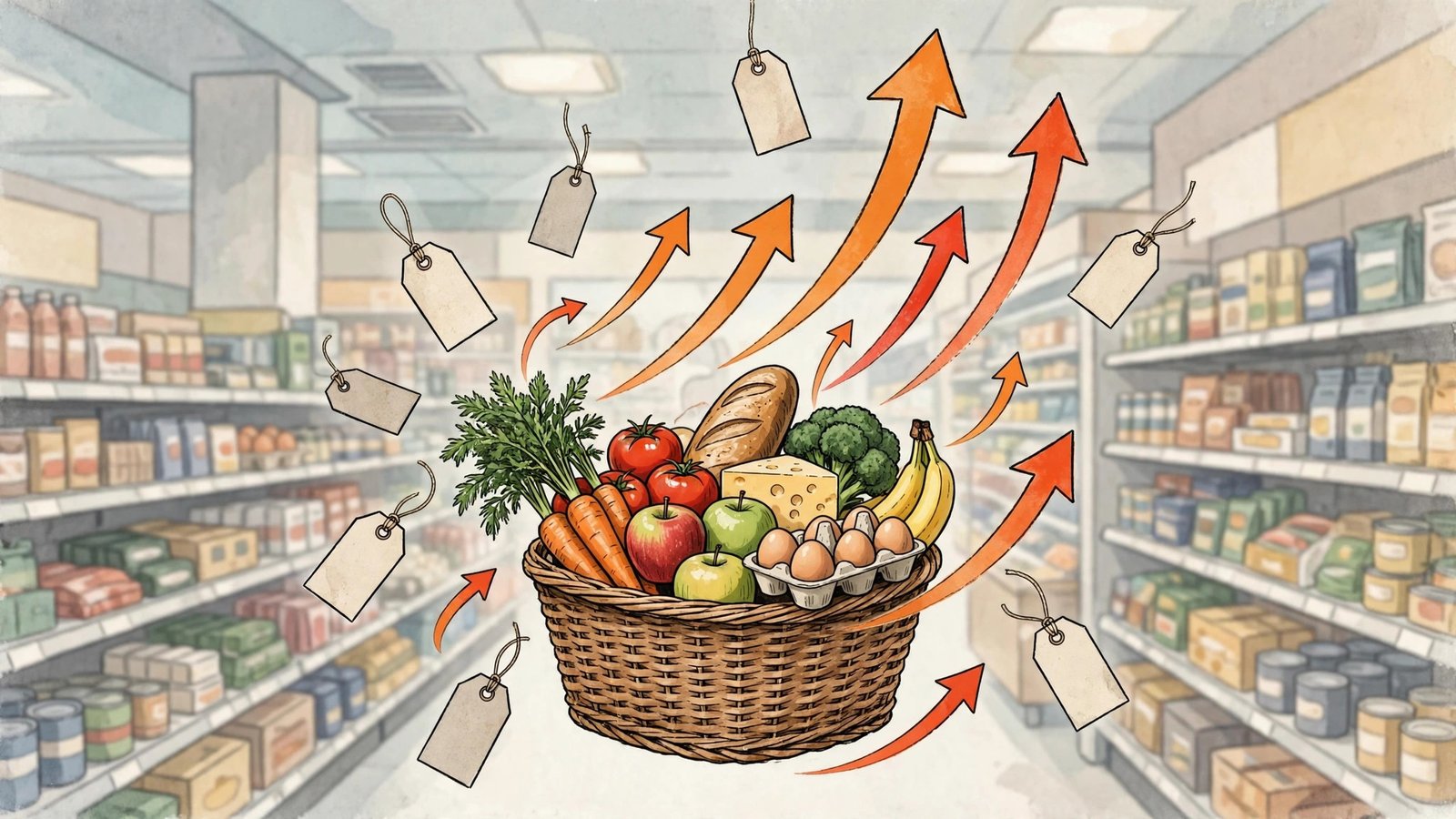
Pakistan’s inflation rate eased to 10.3 per cent year-on-year in September 2026, down from 11.1 per cent in August, according to the Pakistan Bureau of Statistics (PBS). While the headline number cooled for the first time since July, prices still rose 1.3 per cent in a single month, and the inflation rate remains roughly double where it stood a year ago. This guide breaks down the latest CPI figures, what is driving them, and what they mean for households and policy.
Inflation Rate: September 2026 CPI Breakdown
The September data, released on 1 October 2026, showed national CPI at 10.26 per cent year-on-year, landing at the bottom of analyst expectations of 10.25 to 10.75 per cent. Urban inflation stood at 10.1 per cent while rural inflation was 10.5 per cent. Core inflation, which strips out volatile food and energy, eased to 8.6 per cent in cities and 8.1 per cent in rural areas, while wholesale price inflation accelerated to 13.3 per cent.
For comparison, the rate was 11.1 per cent in August 2026 and just 5.8 per cent in September 2025. Inflation during the first quarter of FY2026-27 averaged 10.2 per cent, against 4.3 per cent in the same quarter last year. The rate has now exceeded 10 per cent in five of the last six months, every month since April except July.
What Got More Expensive and What Got Cheaper
The September figure was driven mainly by energy and transport costs. Electricity charges jumped 15.28 per cent month-on-month, motor fuel rose 10.76 per cent and LPG-related prices increased 5.37 per cent. Among food items, onion prices surged 29.17 per cent in a month and are 125.48 per cent higher than a year ago, while wheat rose 3.86 per cent.
On the relief side, tomato prices dropped 24.67 per cent, chicken fell 8.14 per cent, eggs declined 5.92 per cent and potatoes eased 4.19 per cent. Food inflation overall slowed sharply to 8.2 per cent from 13.9 per cent, but transport inflation surged to 27.4 per cent and housing and utilities to 12.4 per cent, offsetting the food moderation.
Why Inflation Remains High
Several forces keep the headline rate elevated. Global oil prices above $100 a barrel feed directly into transport and electricity costs, while rupee weakness, though contained, raises import prices. The IMF, in its October 2026 World Economic Outlook, raised Pakistan’s FY2026-27 inflation forecast to 9.9 per cent, well above the government’s 8.2 per cent target, from 7.1 per cent last year.
Structural factors matter too. Wholesale inflation at 13.3 per cent suggests price pressure is still building at the producer level, which usually reaches consumers with a lag. The State Bank’s medium-term target is 5 to 7 per cent, so the current reading is far above the comfort zone, limiting room for interest-rate cuts.
What It Means for Households and Policy
For families, a headline rate of 10.3 per cent means wages must grow faster just to stand still; the 7 per cent federal pension increase from July 2026 already lags behind. The weekly Sensitive Price Indicator, which tracks essential items, rose 11.97 per cent year-on-year in the week to 8 October, so grocery budgets remain under pressure.
For policymakers, the data is a mixed bag. The IMF called for an appropriately tight monetary stance and urged timely energy tariff adjustments along with a phase-out of fuel subsidies, which could push measured inflation higher in the short term even as they stabilise public finances. The future trajectory, as the Finance Division notes, remains sensitive to international oil prices.
Read more: Pakistan Stock Market 2026: KSE-100 Latest Updates and Pakistan Inflation Rate: Trends and Analysis. For detailed CPI data, see Pakera’s September 2026 inflation report and TechJuice’s inflation analysis.
Frequently Asked Questions
What is Pakistan’s current inflation rate?
Headline CPI inflation was 10.3 per cent year-on-year in September 2026, down from 11.1 per cent in August.
Why is inflation still above 10 per cent?
Energy and transport costs are the main drivers, with electricity up 15.28 per cent and motor fuel up 10.76 per cent in a month.
What is the difference between CPI, SPI and WPI?
CPI is the headline monthly consumer measure; SPI tracks weekly prices of essential items; WPI measures wholesale prices, currently at 13.3 per cent.
What is the IMF’s inflation forecast for Pakistan?
The IMF’s October 2026 outlook projects 9.9 per cent inflation for FY2026-27, above the government’s 8.2 per cent target.
Will interest rates be cut with inflation easing?
Rate cuts look limited while inflation stays well above the State Bank’s 5 to 7 per cent target and wholesale prices keep rising.
Inflation Rate Pakistan 2026: FAQs
The inflation rate shapes every household budget in Pakistan. Tracking the pakistan inflation rate today and understanding cpi inflation pakistan 2026 data helps readers make sense of price changes.
What is Pakistan’s current inflation rate?
The pakistan inflation rate today is measured by the Consumer Price Index, published monthly by the Pakistan Bureau of Statistics. The pakistan cpi data release breaks inflation into food, energy, transport, and housing components.
What causes inflation in Pakistan?
Inflation causes pakistan economists cite include rupee depreciation, energy price adjustments, supply disruptions, and global commodity swings. Food inflation hits lower-income households hardest, as food dominates their spending.
How does CPI inflation affect me?
Cpi inflation pakistan 2026 figures feed directly into interest-rate decisions by the State Bank, affecting loan and savings rates. When the inflation rate falls sustainably, borrowing costs usually follow — good news for businesses and mortgage holders.
Related Posts
 BusinessPakistan Introduces Electronic Power Monitoring System to Crack Down on Power Theft
 BusinessTech Stocks Trillion Loss: $1 Trillion Wiped Out as Oil Hits $110
 BusinessLululemon Chief Product Officer: Maggie Gauger Joins as President & CPO in Leadership Overhaul
 BusinessKOSPI Index Crash: South Korea’s KOSPI Suffers 7.57% Drop, Triggering Circuit-Breakers
 BusinessBlinkit Reliance Food Probe: Indian Regulators Name Executives in Expired Food Case
 BusinessHDFC Bank Profit Miss: Q2 Net Profit Rises 4.7% but Treasury Slump Disappoints
Most Popular
 How-ToPTA Tax Calculator 2026: Check Mobile Tax on Any Phone89 views
 BISPPunjab Driving License Scam Alert: Fake Websites & “Without Test” Fraud | UrduPro80 views
 Canada JobsTech Jobs in Canada: Roles, Salaries, and Skills Needed76 viewsBusinessTech Stocks Trillion Loss: $1 Trillion Wiped Out as Oil Hits $11066 views
 TechnologyTecno Mobile Prices in Pakistan 2026: Spark, Camon and Pova Series Compared65 views
 ShowbizWomen’s Fashion in Pakistan 2026: Trends, Brands and Style Guide61 views