IMF Pakistan 2026: Latest Programme Reviews and Conditions

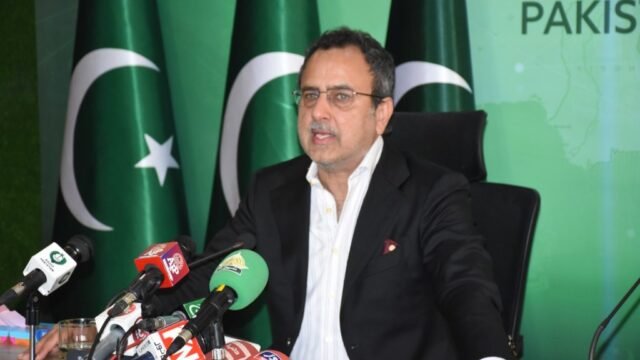
The IMF Pakistan programme reached a major milestone on 7 October 2026, when Fund staff reached a staff-level agreement with the Pakistani authorities on the fourth review of the 37-month Extended Fund Facility (EFF) and the third review of the 28-month Resilience and Sustainability Facility (RSF). Subject to Executive Board approval, the agreement would unlock about $1.2 billion in fresh financing. Here is what the latest IMF Pakistan review covers, what conditions are attached, and what it means for the economy.
IMF Pakistan: What the Staff-Level Agreement Covers
An IMF mission led by Iva Petrova held discussions in Karachi and Islamabad from 23 September to 7 October 2026, alongside the 2026 Article IV consultation. The agreement covers the fourth review of the $7 billion EFF arrangement and the third review of the $1.4 billion RSF, which supports climate-resilience reforms.
Upon approval by the IMF Executive Board, Pakistan would gain access to about $1.0 billion (SDR 760 million) under the EFF and about $210 million (SDR 154 million) under the RSF. That would bring total disbursements under the two arrangements to about $5.7 billion. The Fund said programme implementation under the EFF has remained broadly on track despite a challenging external environment, and credited the authorities with preserving macroeconomic stability amid the fallout from the Middle East conflict.
Economic Performance Under the Programme
The IMF’s assessment of the Pakistani programme contains encouraging numbers. Real GDP growth reached 4 per cent in the first three quarters of FY26, though higher energy prices and supply disruptions dented momentum, leaving full-year growth estimated at 3.6 per cent. Headline inflation moderated to about 10.3 per cent in September after peaking in May, while core inflation remained contained.
On the external front, the current account was broadly balanced in FY26, supported by strong remittances, and gross reserves rose to about $21.5 billion by end-September. Sovereign rating upgrades and renewed international market access indicate stronger policy credibility, the Fund noted.
Conditions and Priorities Going Forward
The latest Fund review sets clear priorities for the fiscal year 2027 budget: an underlying primary surplus of 2 per cent of GDP, backed by improvements in tax administration, digital invoicing and public investment management, plus measures to reduce debt rollover risks. The Fund also called for an appropriately tight monetary stance, exchange-rate flexibility and further reserve accumulation.
On structural reforms, the IMF urged the government to phase out its fuel subsidy scheme, ensure timely energy tariff adjustments, and increase health and education spending. These conditions are significant because fuel subsidies and delayed tariff adjustments have historically been a source of fiscal slippage in Pakistan.
Risks the IMF Has Flagged
Despite the positive review, the Fund warned that risks remain elevated. The IMF Pakistan statement cited geopolitical tensions, volatile energy prices, tighter global financial conditions and trade disruptions as threats to the recovery. With oil above $100 a barrel and the October World Economic Outlook projecting 9.9 per cent inflation for FY2026-27, the path ahead is narrow.
It is also important to understand that a staff-level agreement is not a final disbursement. The financing has not yet been released; the reviews must still pass through the IMF’s internal process and receive Executive Board approval before Pakistan can draw the funds. Markets, however, took the agreement as a positive signal for the rupee and reserves.
Read more: Pakistan GDP Growth 2026: Latest Figures and Outlook and Dollar Rate Forecast 2026: PKR Outlook. For the official announcement, see the IMF’s 7 October 2026 press release and Mettis Global’s coverage of the deal.
Frequently Asked Questions
What is the latest IMF Pakistan agreement?
On 7 October 2026, IMF staff reached a staff-level agreement on the fourth EFF review and third RSF review, unlocking about $1.2 billion subject to Board approval.
How much has Pakistan received from the IMF so far?
Upon approval of the latest reviews, total disbursements under the EFF and RSF arrangements would reach about $5.7 billion.
What conditions has the IMF attached?
Key conditions include a 2 per cent of GDP primary surplus, tax reforms, digital invoicing, phasing out fuel subsidies and timely energy tariff adjustments.
When will the IMF release the funds?
Only after the IMF Executive Board approves the reviews; the staff-level agreement alone does not release the money.
How does the IMF programme affect the rupee?
Disbursements strengthen foreign reserves, which supports the exchange rate, while the Fund wants exchange-rate flexibility rather than a fixed level.
IMF Programme: Terms That Matter for Citizens
The imf pakistan programme sets the guardrails for economic policy, and each review decides whether the next loan tranche is released. Understanding the imf pakistan deal 2026 terms explains many unpopular decisions.
IMF Conditions Pakistan Must Meet
Typical imf conditions pakistan include revenue targets, energy sector reforms, exchange rate flexibility and governance measures. Every imf review pakistan assesses compliance; missed targets delay disbursements and rattle markets.
The Loan Amount and Its Impact
The imf loan pakistan amount itself matters less than the signal it sends: an on-track programme unlocks other multilateral and bilateral financing. For citizens, the imf pakistan programme translates into realistic energy prices, broader taxation and, eventually, the stability that lets growth resume.
IMF Staff Reports, Conditions and Tranche Releases
Each imf pakistan staff report details compliance gaps and prior actions required for the next review. New imf conditions on pakistan 2026 typically target tax collection, energy tariffs and state-owned enterprise reform. A successful pakistan imf tranche release unlocks parallel financing from other multilateral lenders. Statements from the imf managing director pakistan meetings signal programme health to markets, and staying on track with the imf pakistan programme remains the economy’s most important anchor.
What Citizens Feel
Programme compliance translates into realistic utility prices and broader taxation in the short term. That short-term pain funds long-term stability: without the imf pakistan umbrella, borrowing costs and currency pressure would hurt ordinary citizens far more.
Related Posts
 BusinessPakistan Introduces Electronic Power Monitoring System to Crack Down on Power Theft
 BusinessTech Stocks Trillion Loss: $1 Trillion Wiped Out as Oil Hits $110
 BusinessLululemon Chief Product Officer: Maggie Gauger Joins as President & CPO in Leadership Overhaul
 BusinessKOSPI Index Crash: South Korea’s KOSPI Suffers 7.57% Drop, Triggering Circuit-Breakers
 BusinessBlinkit Reliance Food Probe: Indian Regulators Name Executives in Expired Food Case
 BusinessHDFC Bank Profit Miss: Q2 Net Profit Rises 4.7% but Treasury Slump Disappoints
Most Popular
 How-ToPTA Tax Calculator 2026: Check Mobile Tax on Any Phone89 views
 BISPPunjab Driving License Scam Alert: Fake Websites & “Without Test” Fraud | UrduPro80 views
 Canada JobsTech Jobs in Canada: Roles, Salaries, and Skills Needed76 viewsBusinessTech Stocks Trillion Loss: $1 Trillion Wiped Out as Oil Hits $11066 views
 TechnologyTecno Mobile Prices in Pakistan 2026: Spark, Camon and Pova Series Compared65 views
 ShowbizWomen’s Fashion in Pakistan 2026: Trends, Brands and Style Guide61 views