China wants to keep its solar panel-making secrets at home. In a move with quiet but far-reaching consequences for the global clean-energy trade, Beijing has proposed China solar technology export controls covering twelve advanced manufacturing technologies — from perovskite cells to ultra-thin silicon wafers. The proposal, published by China’s Ministry of Commerce in mid-October 2026, is now in a public consultation that closes on 15 November. For Pakistan, which buys most of its solar panels from China, the crucial question is simple: will this make panels more expensive or harder to get? The short answer, experts say, is no — at least not yet. But the longer answer is more complicated, and it touches on Pakistan’s own ambitions to manufacture solar equipment at home.
Twelve technologies, two tiers: what Beijing wants to control

The China solar manufacturing export ban proposal is really two measures in one. China’s commerce ministry (MOFCOM) wants to add twelve photovoltaic manufacturing technologies to its catalogue of technologies that are banned or restricted for export.
In the prohibited tier — a full export ban — sit the technologies for making perovskite solar cells and perovskite-silicon tandem cells, silicon wafers no thicker than 70 micrometres, and large-scale fluidised-bed polysilicon production. Fluidised-bed technology matters because it produces polysilicon, a key building block of solar panels, more cheaply and with less energy than the conventional Siemens process.
In the restricted tier — limited rather than banned — fall advanced cell manufacturing technologies including TOPCon, heterojunction (HJT) and XBC, the mainstream high-efficiency cell designs used in factories today. The perovskite solar cell export ban proposal also requires temporary pre-export registration for certain technology transfers, and exporters that bundle technology with overseas production-line deployment, installation or commissioning would need a technology export licence.
The solar controls are part of a wider revision of China’s technology export list that also covers artificial intelligence and biotechnology. MOFCOM’s stated reason is national security: it says advanced solar technologies are increasingly used in sensitive sectors including aerospace, defence and unmanned systems.
The crucial detail: finished solar panels are not covered
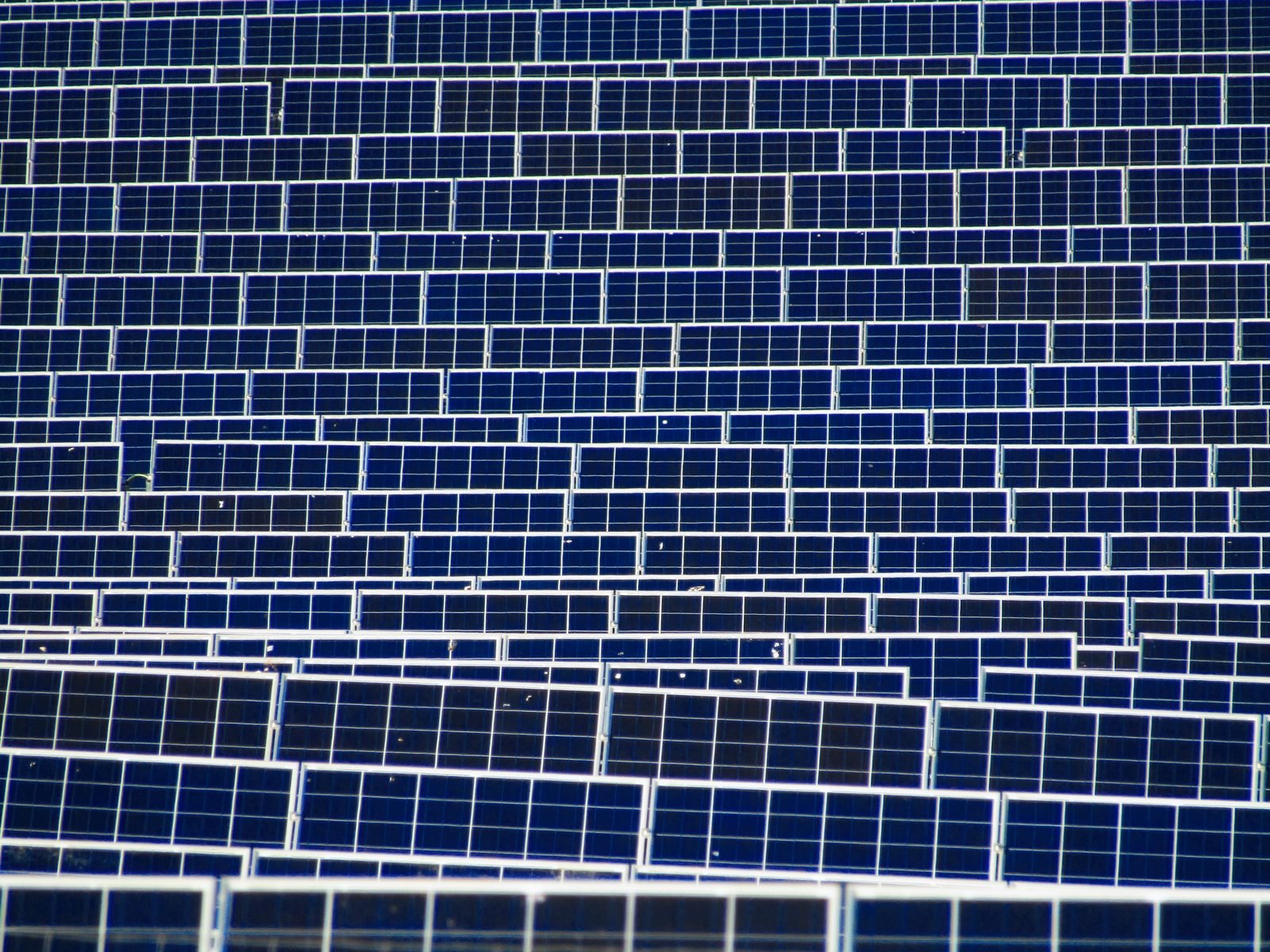
Here is the detail that matters most for ordinary buyers: the proposed China solar technology export controls target manufacturing know-how, not finished products. Exports of finished solar modules — the panels that go on roofs and solar farms — would remain unaffected, and international markets would continue to access Chinese solar products.
That distinction is why analysts expect limited immediate disruption for countries like Pakistan. Tim Buckley, director of the public-interest think tank Climate Energy Finance, has said the immediate commercial impact is likely to remain limited, calling the measures immaterial for countries such as Pakistan and Australia that buy finished equipment rather than factory technology.
Pakistani expertise echoes that view. Muhammad Zaid Masood Khan, a PhD researcher at NUST and a visiting researcher at China’s University of Science and Technology, told Wealth Pakistan that Pakistan’s solar expansion was unlikely to face immediate disruption precisely because the measures do not cover finished panels. Pakistan solar panels China trade, in other words, should carry on as normal.
What it means for Pakistan: a factory question, not a panel problem

Pakistan’s solar appetite is only growing. The government is pushing distributed solar projects — including a 100 MW distributed solar project in Gilgit-Baltistan — and recently announced a $10 million clean-air startup fund as Lahore topped global pollution rankings. All of that runs on panels that overwhelmingly arrive from China.
The harder question is about factories, not panels. Pakistan has long-term ambitions to build domestic solar manufacturing capacity, and that is exactly where Beijing’s proposed controls bite. Reuters has reported that China has already limited exports of solar-making technology to India, which is trying to reduce its dependence on Chinese suppliers. Any country hoping to license Chinese factory technology could find the door narrower after these rules take effect.
For Pakistan, Khan identified CPEC solar cooperation — government-to-government cooperation and joint ventures under the China-Pakistan Economic Corridor — as the most plausible avenue for developing domestic solar manufacturing capabilities. A joint venture structure could navigate licensing requirements more smoothly than a straight technology purchase.
Separate from the export-control proposal, Pakistan should also watch Beijing’s fiscal levers: China ended local export tax rebates for photovoltaic products on 1 April 2026, with battery-product rebates due for removal on 1 January 2027, and Chinese solar equipment exports fell 6.4 per cent year-on-year in September. Those are the forces more likely to nudge panel prices in the near term.
What happens next: the 15 November consultation deadline
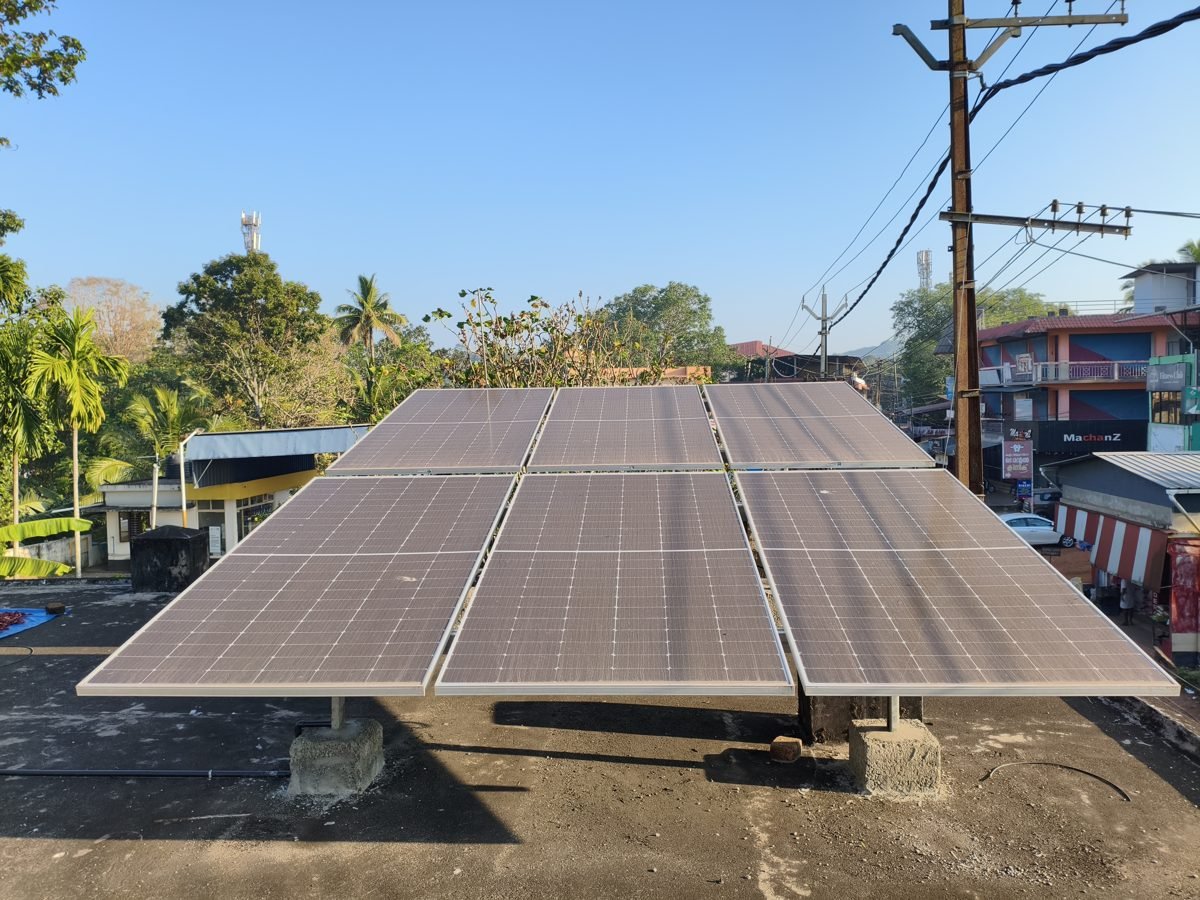
Nothing is final yet. The China solar technology export controls remain a proposal: public consultation runs until 15 November 2026, after which Beijing will review feedback and may revise the list before the rules enter China’s export-control system.
For Pakistani buyers and installers, the practical advice from analysts is calm but watchful: the proposal should be treated as a developing policy issue rather than a confirmed restriction on finished panels. Anyone planning a purchase should compare product quality, warranties, installation standards and total system costs rather than rushing on the basis of the headlines.
For Pakistan’s energy planners, the signal is clearer. The era of freely licensable Chinese solar factory technology may be closing, which makes domestic manufacturing partnerships — through CPEC joint ventures or diversified supply chains — more urgent, not less. The panels will keep coming; the factories are the real negotiation.
Related Posts
 TechnologyShaza Fatima Named ‘Industry Champion of the Year’ at The Fast Mode Awards 2026
 TechnologyMicrosoft Prices $25 Billion Bond Sale to Fund AI Push — Its Biggest Debt Raise in Nine Years
 TechnologyFungoLabs NFT Sale Goes Live Tomorrow: 3,232 Secret-Bid NFTs on Ethereum
 TechnologyJazz 5G Device Goes on Sale for Rs. 18,000 at Jazz Stores — What Is Confirmed and What Is Not
 TechnologyPakistan’s IT Exports Touch Record $4.6 Billion in FY2025-26, Up 21%
 TechnologyXiaomi 18 Pro Series Going Global This November — 200MP Cameras, Rear Display and Smaller Batteries
Most Popular
 How-ToPTA Tax Calculator 2026: Check Mobile Tax on Any Phone402 views
 Pakistan NewsPIA Boeing 787 Lease Deal: What It Means for the Airline382 views
 SportsUEFA Champions League 2026-27: Format, Teams and Schedule375 views
 Canada JobsTech Jobs in Canada: Roles, Salaries, and Skills Needed360 views
 SportsBallon d’Or 2026: London Ceremony, Nominees and All-Time Records Ahead of 70th Anniversary337 views
 ShowbizWomen’s Fashion in Pakistan 2026: Trends, Brands and Style Guide335 views