Pakistan’s broadband subscriber base has crossed a major milestone, reaching 166.12 million subscribers with overall broadband penetration climbing to 65.79 percent, according to new data released by the Ministry of Information Technology and Telecommunication (MoITT) for July 2026.
The figures, reported this week, mean more than 16 crore Pakistanis are now connected through broadband — a number that places Pakistan among the largest internet markets in the world by subscriber count. For a country where digital access was once a luxury confined to a few big cities, the numbers mark how far the country’s connectivity journey has come in a short span.
The Milestone in Numbers

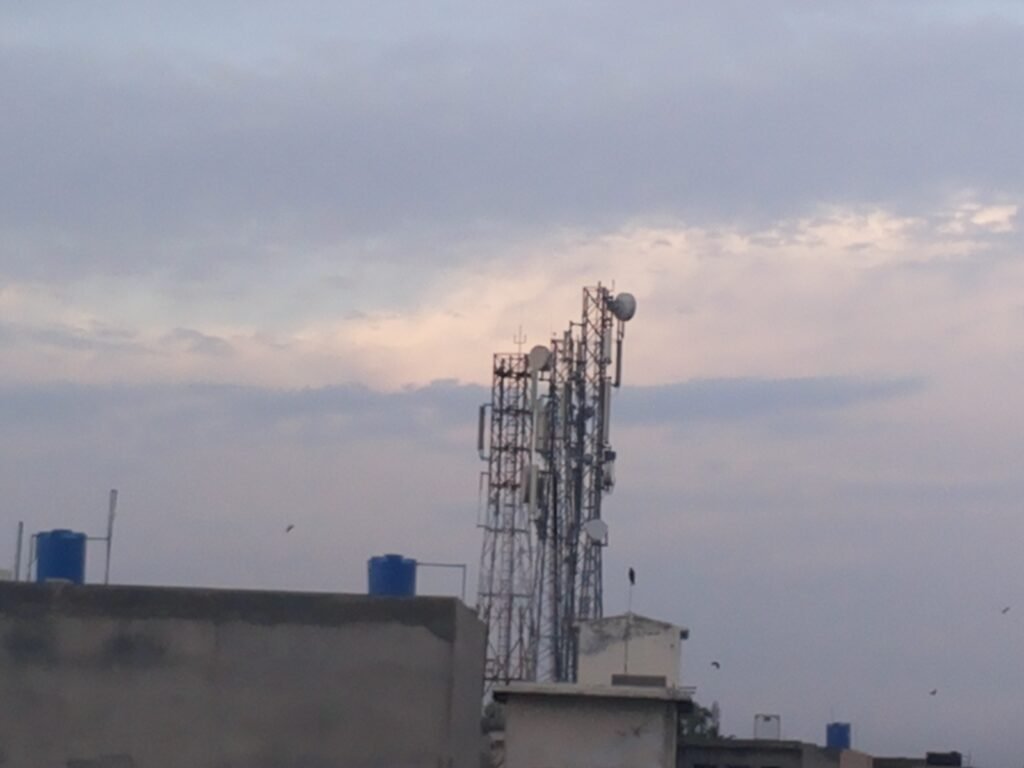
File photo: mobile broadband makes up the bulk of Pakistan’s 166.12 million broadband subscribers. Credit: Shixart1985, CC BY 2.0.
Pakistan’s broadband penetration has now reached 65.79 percent, with 166.12 million broadband subscribers recorded in July 2026, the Ministry of IT and Telecommunication’s data shows. Mobile broadband continues to make up the overwhelming majority of connections, with tens of millions of Pakistanis accessing the internet primarily through their phones on 3G and 4G networks.
The growth is part of a longer expansion story. Pakistan’s total telecom subscriber base crossed the 200 million mark earlier this year, with around 207.2 million connections recorded by March 2026. Teledensity — the number of connections per 100 people — has pushed past 86 percent, though analysts note this counts SIMs and connections, not unique users, since many Pakistanis carry more than one SIM card.
The surge in broadband usage has come alongside record digital exports. Pakistan’s IT and IT-enabled services exports hit $4.6 billion in fiscal year 2025-26, and the World Bank ranked Pakistan among the world’s top five digital services suppliers in an assessment reported in October 2026 — a strong signal that the country’s connectivity backbone is supporting real economic output.
What Is Driving the Growth
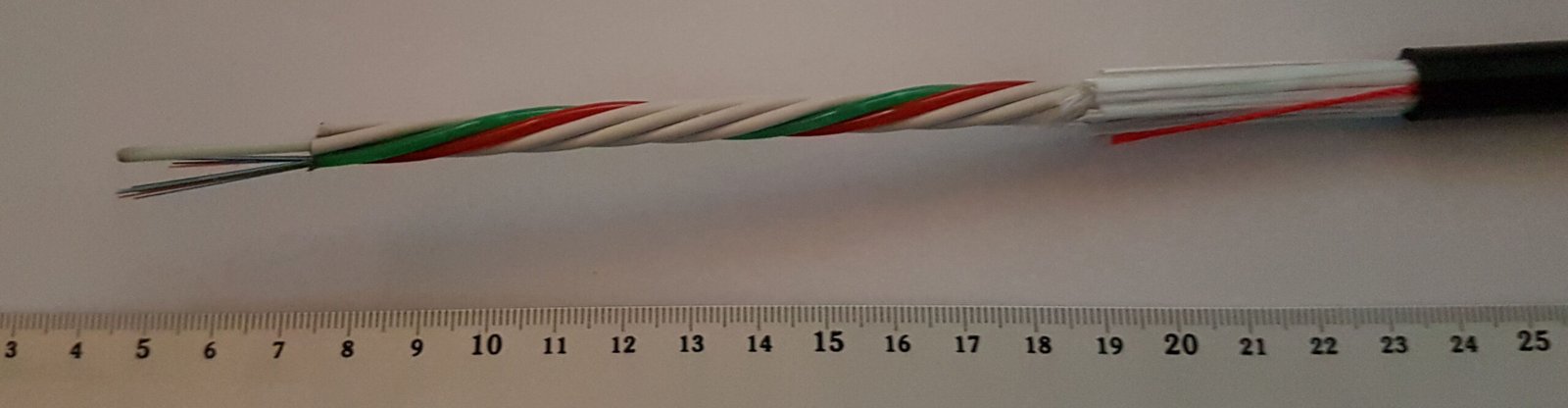
File photo of optical fiber cable — Pakistan has laid over 234,000 km of optical fiber nationwide. Credit: Asurnipal, CC BY-SA 4.0.
Several factors are pushing Pakistan’s internet numbers upward. The federal government conducted its largest-ever spectrum auction in March 2026, raising $509 million through the sale of 480 MHz of spectrum. Operators’ spectrum holdings jumped from 274 MHz to 754 MHz, and within six months, 5G services were introduced at more than 1,700 sites across 24 major cities, delivering average speeds of around 130 Mbps.
Fibre infrastructure is expanding too. Pakistan has deployed more than 234,000 kilometres of optical fibre cable nationwide, and the number of homes passed by fibre broadband networks has increased from fewer than three million in 2024 to more than five million, according to figures shared by the IT ministry. The Universal Service Fund (USF) has extended connectivity to more than 38 million people across over 22,100 settlements in more than 110 districts.
Local smartphone production has also played a role — 17.6 million smartphones were assembled locally in 2025, putting affordable devices into more hands. Policy support, including the Digital Nation Pakistan Act passed in January 2025, has formally committed the state to digital transformation as an economic pillar.
The growth has not been without hiccups. In late October 2026, PTCL warned of minor service degradation at peak hours while emergency repairs were carried out on the AAE-1 submarine cable between Italy and France — the third week-long cable slowdown the operator flagged this year — highlighting how dependent the country’s connectivity remains on international undersea cables.
The Gaps That Remain

A 5G cell tower (file photo) — Pakistan launched 5G in 24 cities after the March 2026 spectrum auction. Credit: Jeffrey Beall, CC BY 4.0.
Despite the impressive headline numbers, the data also carries a caution: several areas across the country still lack adequate internet coverage. Roughly 62 percent of Pakistan’s population lives in rural areas, where connectivity lags far behind the cities. Rural internet penetration stood at around 36.5 percent in 2024, and fixed broadband penetration nationally remains below 2 percent, concentrated almost entirely in urban centres.
The World Bank’s October 2026 economic update flagged that Pakistan’s mobile broadband subscriptions are lower than expected relative to income levels, and only 9 to 11 percent of mobile towers are connected to fibre — far below international benchmarks. Quality of service is another concern: the Pakistan Telecommunication Authority has been inspecting hundreds of mobile sites across the country this year, directing operators to fix coverage gaps, call failures and slow mobile internet speeds.
The government has set ambitious targets under its Connect Pakistan 2030 strategy, including 100 Mbps baseline speeds, 10 million fibre-connected households, and regional hub status for AI and cloud services. With satellite internet providers also awaiting a final regulatory framework, the next phase of growth may come from the skies as well as the towers.
For now, the 166-million milestone is a reminder of both how far Pakistan’s digital landscape has come — and how much ground remains to be covered before reliable, fast internet reaches every corner of the country.
Related Posts
 TechnologyPTA to Inspect Telecom Networks on Thursday as Operators Reportedly Boost Signals Ahead of Visit
 TechnologyGoogle Tells Schools: Opt Out of AI and Lose Search Too
 TechnologyAirlink AirV Electric Bikes Launched in Lahore: 11 Models, Six Series, Up to 200 km Range
 TechnologyBitMart Hack: Crypto Exchange Confirms $391,000 Breach 53 Minutes Before $49M Mercado Bitcoin Heist
 TechnologySBP Starts Mojaloop Training for Pakistani Payment Developers — 16-Week Open-Source Course Opens
 TechnologyPakistan Calls Out Tech Giants’ “Algorithmic Power” at the UN, Demands Accountability
Most Popular
 How-ToPTA Tax Calculator 2026: Check Mobile Tax on Any Phone408 views
 Pakistan NewsPIA Boeing 787 Lease Deal: What It Means for the Airline384 views
 SportsUEFA Champions League 2026-27: Format, Teams and Schedule377 views
 Canada JobsTech Jobs in Canada: Roles, Salaries, and Skills Needed365 views
 SportsBallon d’Or 2026: London Ceremony, Nominees and All-Time Records Ahead of 70th Anniversary339 views
 ShowbizWomen’s Fashion in Pakistan 2026: Trends, Brands and Style Guide339 views



One comment