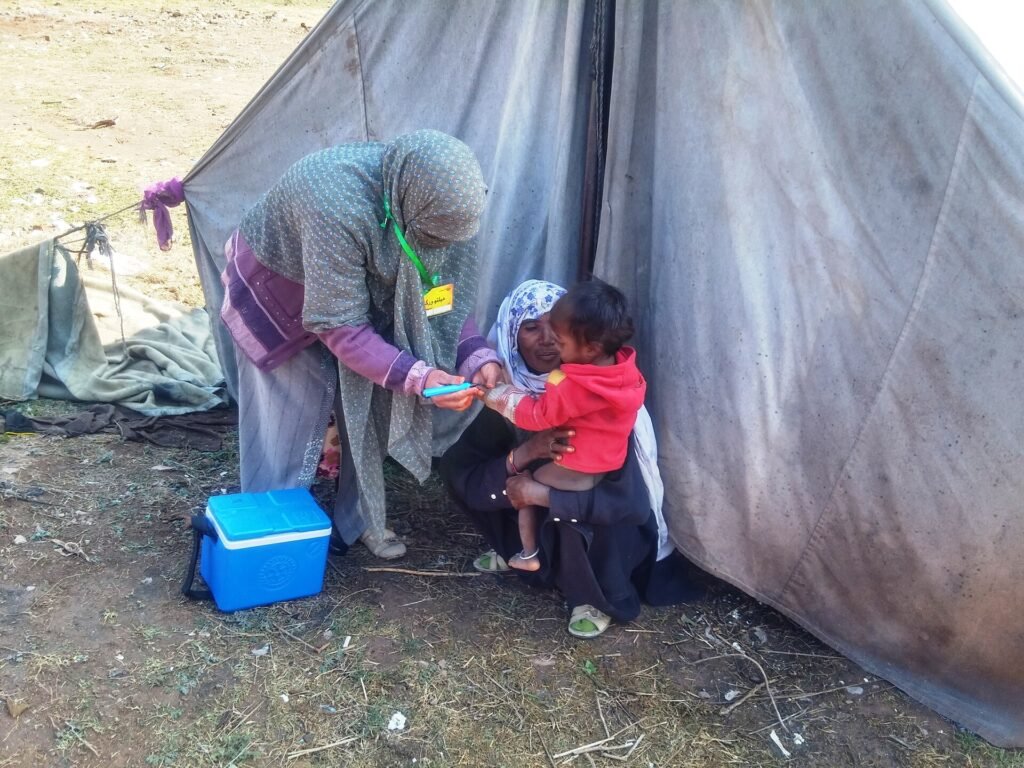
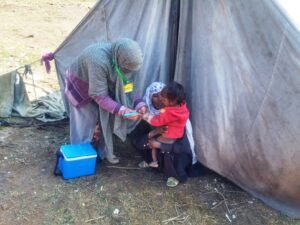
Pakistan has launched its biggest health operation of the year. Starting Monday 2 November, more than 200,000 frontline workers will fan out across 97 high-risk districts to vaccinate nearly 24 million children under the age of five against polio, in a week-long campaign running through 8 November. The drive is the country’s third sub-national immunisation campaign of 2026 — and the fifth large-scale round of the year — underscoring how intensive the final push to eradicate the disease has become.
The campaign was formally inaugurated on Friday by Federal Minister for National Health Services Syed Mustafa Kamal, who administered the first polio drops of the drive at the National Emergency Operations Centre (NEOC) in Islamabad, the hub that coordinates the country’s polio eradication effort.
How the week-long drive will work
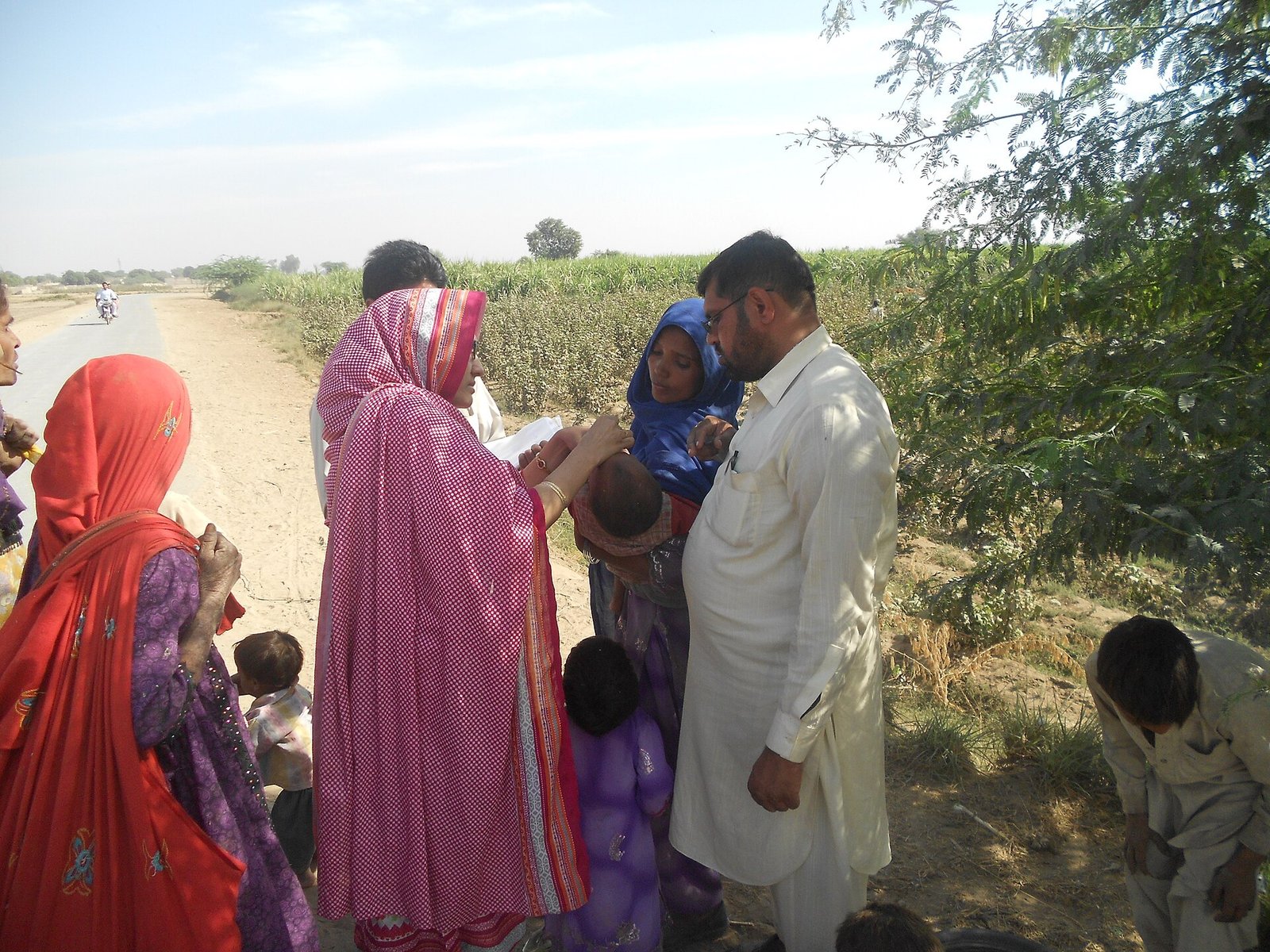
The campaign targets around 24 million children in 97 selected districts — the fifth large-scale campaign of 2026, following four national rounds earlier in the year that protected more than 45 million children multiple times, alongside smaller targeted drives. Rather than spreading resources evenly, this round concentrates them in the districts considered most at risk of transmission.
The scale of the operation is considerable. More than 200,000 frontline workers will go door to door over the seven days, including mobile and stationary teams in cities and remote areas. In Balochistan alone, over 2.2 million children across 31 districts are expected to receive drops, coordinated by 8,888 mobile and stationary vaccination teams, according to Inam Ul Haq, the Emergency Operations Centre coordinator for the province.
The previous sub-national round in September protected over 29.3 million children across the country, according to the Pakistan Polio Eradication Initiative — setting a benchmark this week’s teams will be working to match.
Eighth case of 2026 confirmed in Khyber
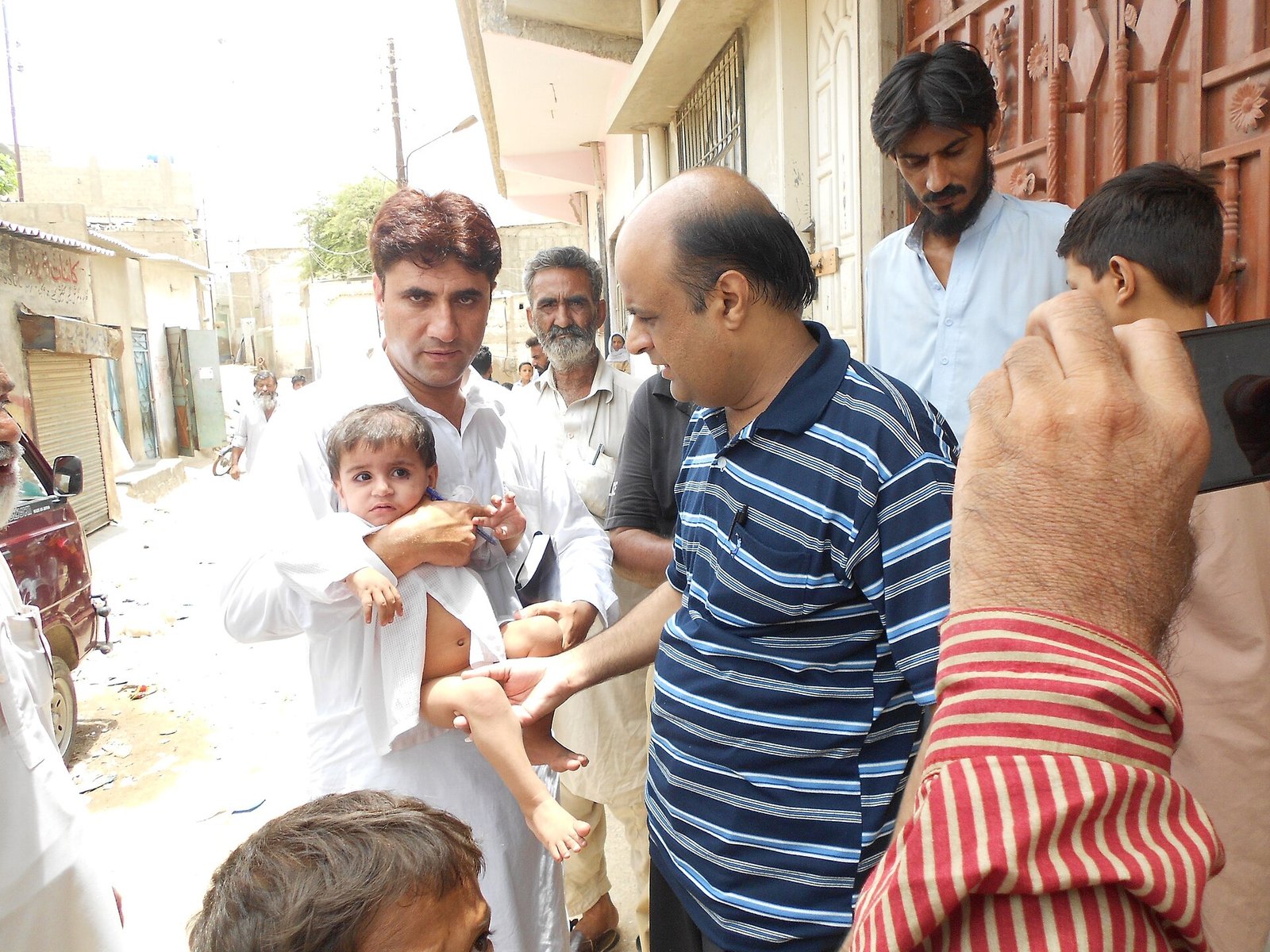
The campaign opens against a sobering reminder of why it matters. The NEOC has confirmed Pakistan’s eighth polio case of 2026: a 13-month-old girl from Union Council Janbaz-B in Tehsil Bara, Khyber District. Six of this year’s eight cases have come from Khyber Pakhtunkhwa, with two reported from Sindh.
The Pakistan Polio Eradication Initiative has launched a comprehensive case investigation and is analysing the best science-based response to stop further transmission, including targeted vaccination activities and support to strengthen routine immunisation in the affected area.
Environmental surveillance has added to the urgency. Recent sewage detections in Rawalpindi and a rise in positive samples in Sindh prompted officials and UNICEF to approve extra vaccination rounds and stronger surveillance in affected areas.
Parents urged to open their doors
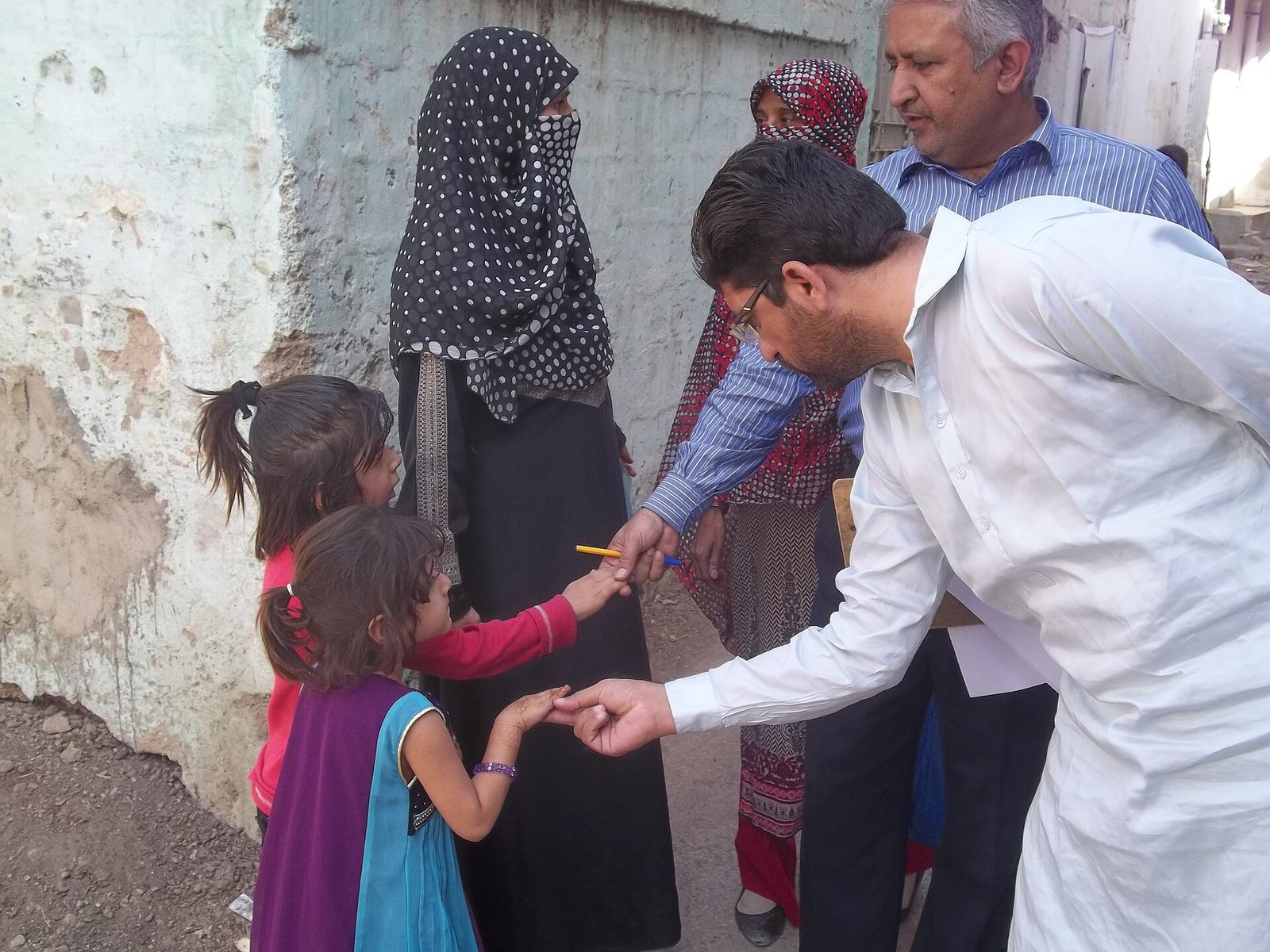
Prime Minister’s Focal Person for Polio Eradication Ayesha Raza Farooq has called on parents to ensure that every child under five receives polio drops during the campaign, describing vaccination as a national responsibility and a key priority of the government.
Announcing the campaign on Sunday, she said seven polio cases had been reported in the country so far this year, with most detected in Khyber Pakhtunkhwa — her statement came before the NEOC’s confirmation of the eighth case later that day. She urged parents to cooperate with vaccination teams visiting homes to administer the drops.
Health workers have a simple message: children in the targeted districts should receive polio drops during the 2 to 8 November window, even if they have been vaccinated before. Repeated doses are safe and necessary — each round builds the immunity wall that keeps the virus from spreading.
The road to June 2027
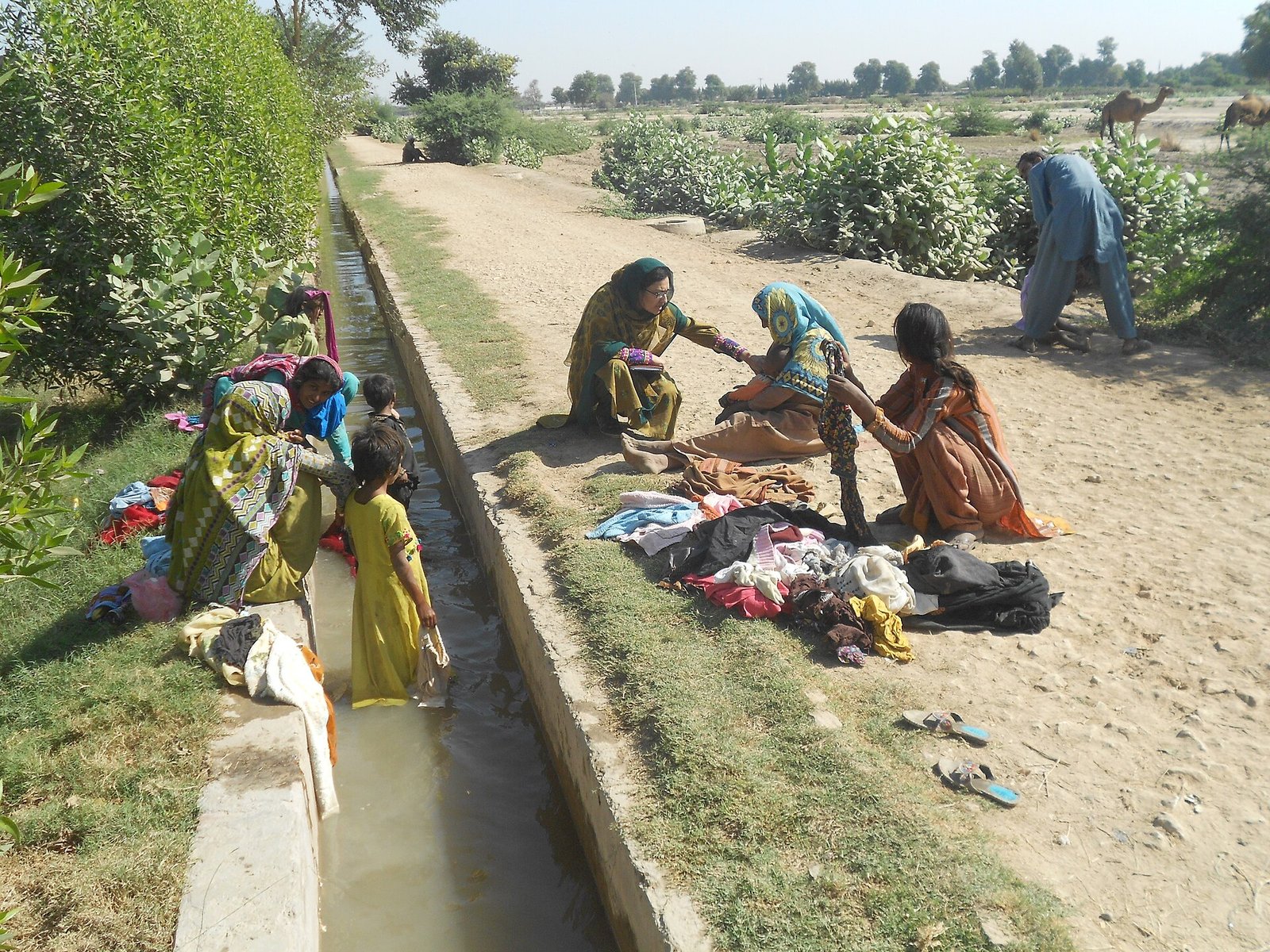
Health Minister Mustafa Kamal has expressed confidence that Pakistan will become polio-free by June next year, reaffirming the government’s commitment to eradicating the crippling disease. He made the announcement at the Islamabad launch ceremony for the campaign.
The stakes are genuinely high. Pakistan has reduced polio cases by 99.8 per cent since launching its national eradication programme in 1994 — from an estimated 20,000 cases a year to 31 in 2025, and seven to eight so far in 2026. But Pakistan and Afghanistan remain the only two countries where wild poliovirus still circulates, and cross-border coordination runs through this campaign too: the drive is being conducted simultaneously on both sides of the border.
For the 200,000 workers knocking on doors this week, the mission is measured one child at a time. Every missed child is a gap the virus can exploit — and every vaccinated child closes it.
Related Posts
 Pakistan NewsPakistan to Expand Intelligence-Based Operations in KP After PM Shehbaz’s Security Review
 Pakistan NewsPakistan Army “Cautiously Optimistic” About US-Iran Mediation, Warns of “Powerful Spoilers” — ISPR DG
 Pakistan NewsAmna Baloch Becomes Pakistan’s First Woman Ambassador to Türkiye — A Historic First for Ankara
 Pakistan NewsPakistan Test-Fires Fa’az: First Indigenously Developed Air-to-Air Missile
 Pakistan NewsTwo Policemen Martyred Guarding Polio Team in Mohmand; Four Polio Workers Abducted in Tank
 Pakistan NewsMaryam Nawaz in Attock: CM Inaugurates 127 Development Projects Worth Rs23 Billion
Most Popular
 How-ToPTA Tax Calculator 2026: Check Mobile Tax on Any Phone407 views
 Pakistan NewsPIA Boeing 787 Lease Deal: What It Means for the Airline384 views
 SportsUEFA Champions League 2026-27: Format, Teams and Schedule377 views
 Canada JobsTech Jobs in Canada: Roles, Salaries, and Skills Needed365 views
 SportsBallon d’Or 2026: London Ceremony, Nominees and All-Time Records Ahead of 70th Anniversary339 views
 ShowbizWomen’s Fashion in Pakistan 2026: Trends, Brands and Style Guide339 views


One comment