Maryam Nawaz Launches Punjab PIVOT Economic Plan: Rs2 Trillion Investment Push for Exports and Jobs
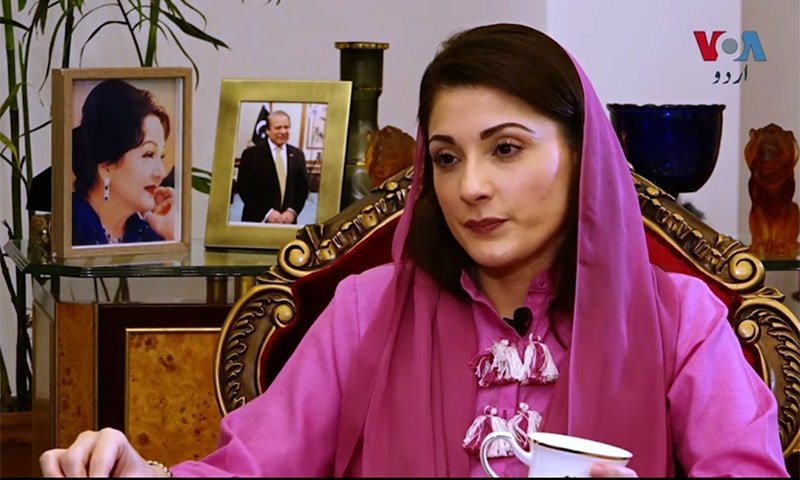
Punjab Chief Minister Maryam Nawaz Sharif on Friday formally launched the province’s flagship economic programme — the Punjab Innovation for Value, Opportunity and Transformation (PIVOT) Plan — along with the STEP portal, setting in motion a three-year economic transformation strategy that runs from 2026 to 2029 and is built around investment, exports and employment.
The launch ceremony in Lahore brought together the State Bank governor, leading business figures, bankers, diplomats and investors. Maryam Nawaz told the gathering that PIVOT would reshape Punjab’s economy across industry, agriculture, tourism, skills development and technology, with the government targeting Rs1,995.3 billion in combined investment, an additional $6.8 billion in exports and 162,000 direct jobs over the plan period. Officials estimate the programme will improve the quality of life of around one million people.
What was launched: PIVOT and the STEP portal
PIVOT pairs public money with private capital. The government’s own investment is estimated at Rs1,089 billion, while private-sector investment is targeted at Rs906 billion. A Rs300 billion concessional finance facility under the STEP (Support to Thrive and Expand Punjab) banner will offer industrial projects loans at interest rates ranging from zero to five per cent — a deliberate attempt to make borrowing affordable for manufacturers.
The plan covers 2026 to 2029 and aims to expand economic opportunities, strengthen industrial capacity, attract investment and move Punjab towards export-led growth. Senior Minister Marriyum Aurangzeb, who presented the programme, told the ceremony that translating the PIVOT concept into a practical plan within six months reflected the chief minister’s vision. A PIVOT Board chaired by Aurangzeb on the chief minister’s behalf will lead implementation, with a PIVOT Secretariat in the Planning and Development Department, a dedicated cell in the Chief Secretary’s Office, and deputy commissioners acting as district-level focal persons. Progress will be tracked through a central PIVOT Dashboard and an Industry Scorecard.
Industry, exports and the private sector
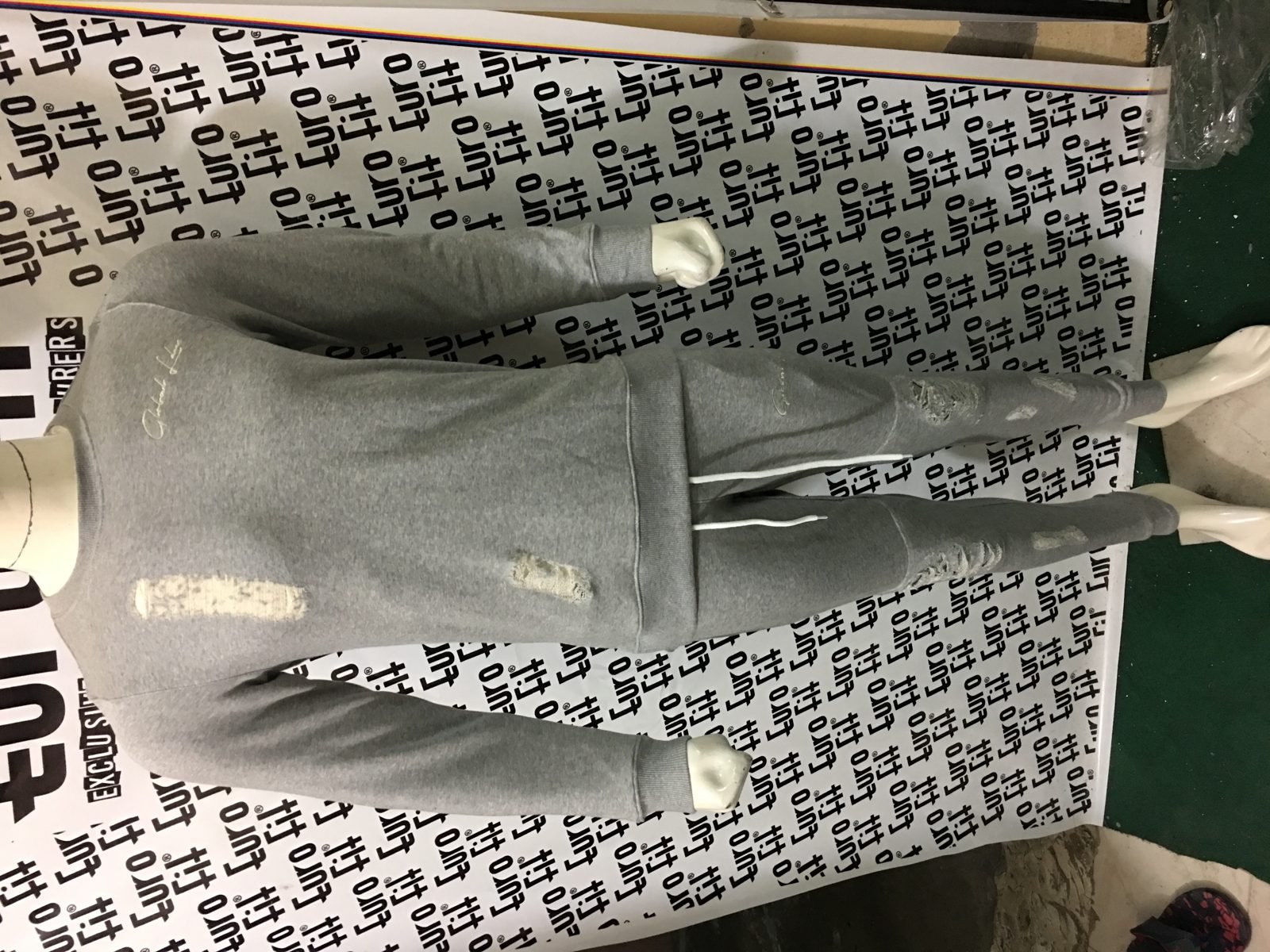
The industrial component is the centrepiece. Rs753.7 billion has been allocated to strengthen Punjab’s industrial sector, and the plan names the value chains Punjab already makes: garments and textiles, sports goods, leather and footwear, surgical instruments, pharmaceuticals, fans, cutlery, steel and ceramics. The target is to train 402,060 people over three years with skills matched to domestic industrial requirements and international labour market demands.
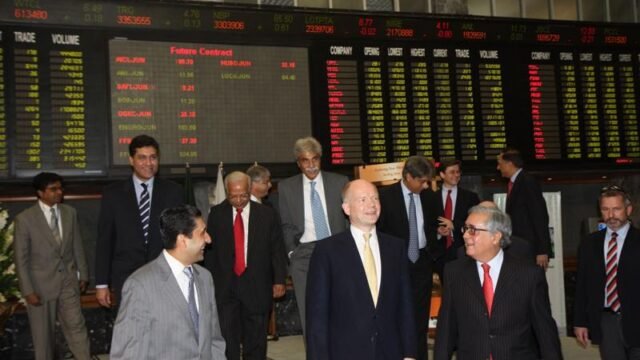
The launch drew Pakistan’s biggest business names. Among those attending were Mian Mansha, Arif Habib, Fawad Mukhtar, Ziad Bashir and Osman Khalid Waheed, alongside State Bank Governor Jameel Ahmad, members of the Pakistan Business Council and prominent industrialists and investors. Arif Habib used the platform to announce plans to build Pakistan’s tallest commercial tower at Lahore CBD One — a headline moment that signalled private-sector appetite for the programme. French companies were also invited to explore project partnerships with Punjab.
In a striking remark at the ceremony, Maryam Nawaz told investors she would not question the source of their money. “If you are bringing business, I would not ask where you are getting the money from,” she said, describing the open-door approach to investment as part of Nawaz Sharif’s legacy. The chief minister also said Punjab was moving towards an economic growth model driven by industry, innovation, value addition and exports.
State Bank Governor Jameel Ahmad briefed the gathering on the financing backdrop, saying SME financing had surged 61 per cent to Rs1.1 trillion by June 2026, serving nearly 326,000 borrowers, with a target of Rs2 trillion and 775,000 borrowers by fiscal year 2028.
Farms, food and the three-year roadmap
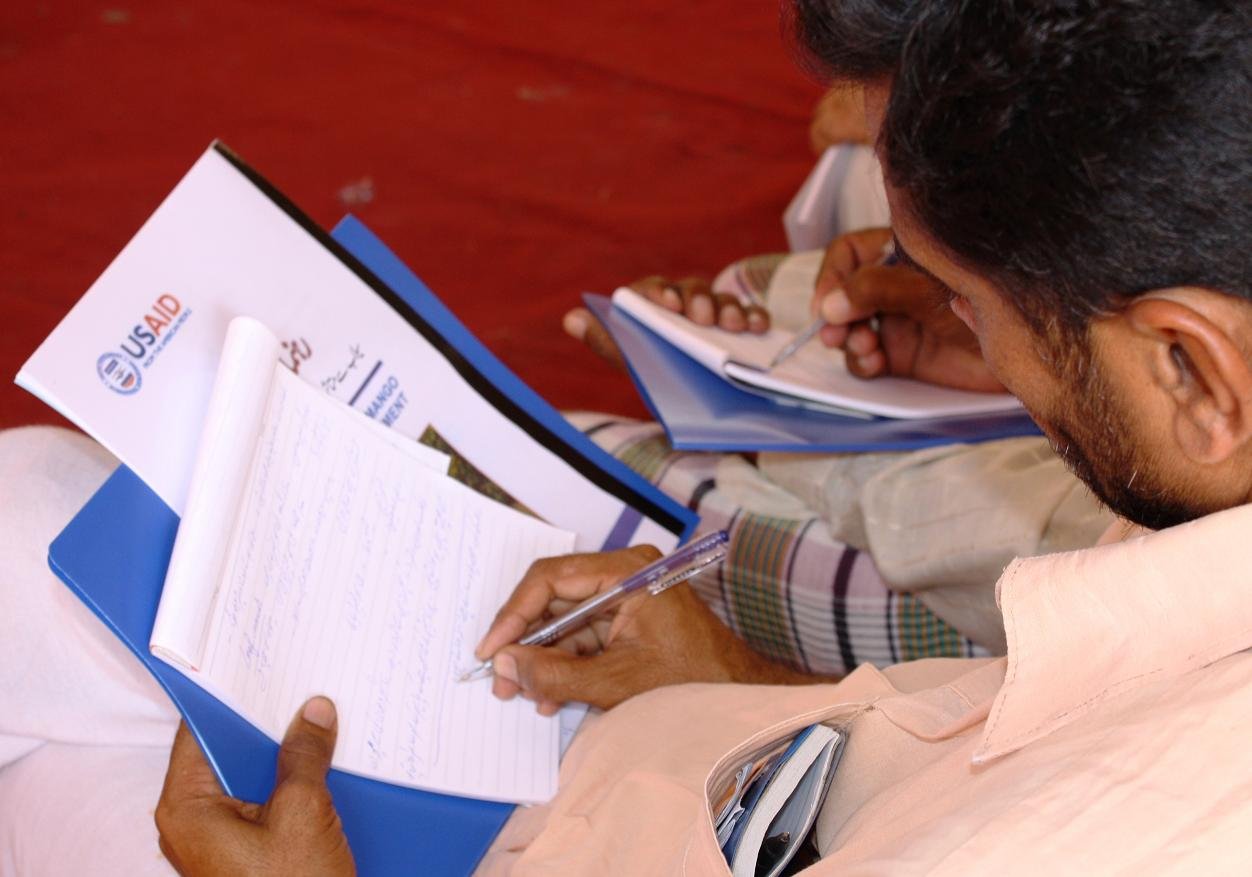
Agriculture gets its own push under PIVOT. Four specialised agro-processing parks are planned in Sargodha, Khanewal, Okara and Bhakkar for fruit processing, cold storage, grading and other value-added activity, alongside farm mechanisation, meat and dairy processing and disease prevention. The plan includes interventions for wheat, citrus, potatoes and mangoes, plus export financing for horticulture and floriculture. Aquaculture projects will promote shrimp farming, improve fisheries infrastructure and increase export-oriented production.
Energy and manufacturing support round out the package: Rs50 billion each has been earmarked for solar and battery-storage support and for reimbursing duties on imported machinery, a move aimed at boosting value addition. Tourism development is another component, with investment opportunities planned around historical and religious sites, Lahore’s night-time economy, the Potohar region, Cholistan and other tourism circuits.
The chief minister said PIVOT would drive transformation across industry, agriculture, tourism, skills and technology. With the board, secretariat and dashboard structure in place and a six-month window set to operationalise the programme, the three-year countdown to Punjab’s export and jobs targets has now formally begun.
Related: Punjab Cabinet Approves PIVOT Programme: Rs1,995 Billion Investment and 162,000 New Jobs
Sources: The News — Maryam unveils Rs2tr economic plan; TechJuice — Punjab CM launches Rs1.99 trillion PIVOT plan
Related Posts
 BusinessABHI Microfinance Bank Plans Rs3 Billion IPO on PSX — Book Building on 5–6 November
 BusinessFBR Misses October Tax Target by Rs156 Billion, Collects Rs975 Billion
 BusinessSBP SMEConnect Portal: Apply for SME Loans Online from 1 November 2026
 BusinessPM Forms Committee on LPG Policy as Govt Seeks to Shift Pricing Powers from Ogra to SOEs
 BusinessDiesel Price in Pakistan Crosses Rs402 Per Litre: OGRA Revises Rates for Oct 31–Nov 2
 BusinessSBP Extends Banking Hours: Designated Branches Open Till 8pm on Saturday, 31 October
Most Popular
 How-ToPTA Tax Calculator 2026: Check Mobile Tax on Any Phone361 views
 SportsUEFA Champions League 2026-27: Format, Teams and Schedule343 views
 Canada JobsTech Jobs in Canada: Roles, Salaries, and Skills Needed332 views
 SportsBallon d’Or 2026: London Ceremony, Nominees and All-Time Records Ahead of 70th Anniversary327 views
 Pakistan NewsPIA Boeing 787 Lease Deal: What It Means for the Airline327 views
 ShowbizWomen’s Fashion in Pakistan 2026: Trends, Brands and Style Guide312 views