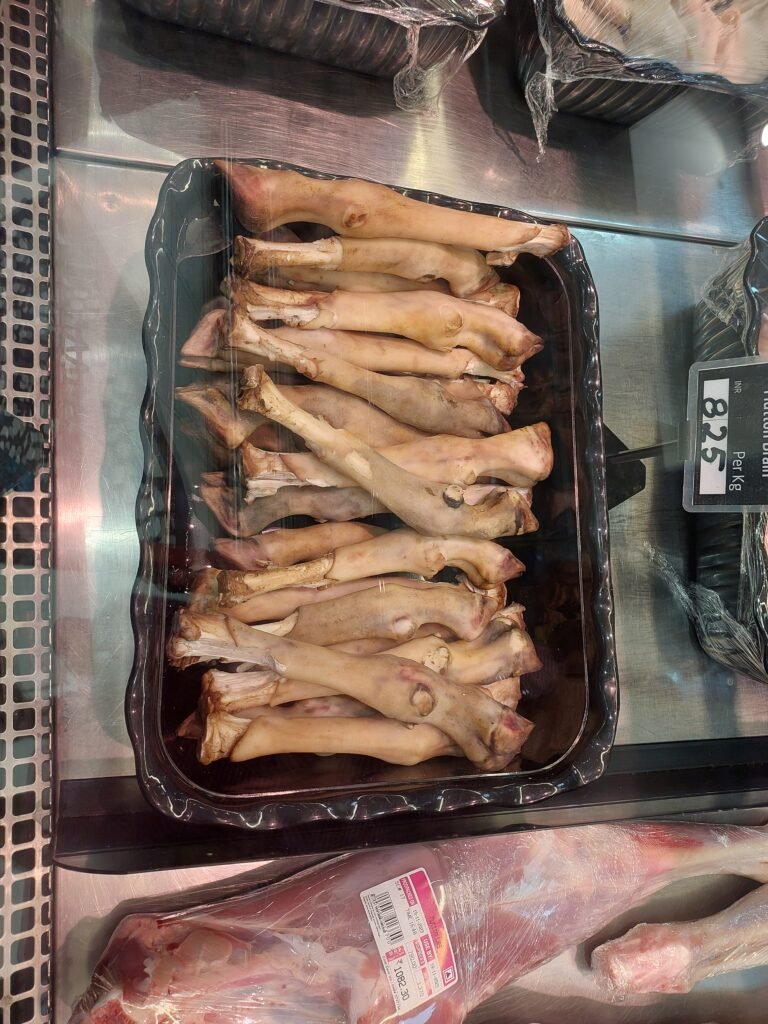
A beloved Pakistani comfort food has landed a group of travellers in trouble at one of the world’s busiest airports. Canadian border officials seized more than 16 kilograms of undeclared food and animal products — including goat feet used for making siri paye, chicken, ghee and milk powder — from travellers arriving at Toronto Pearson International Airport from Pakistan, and the group was fined $1,350, a report on the incident said.
The seizure came to light after the Canada Border Services Agency (CBSA) shared details of the interception on its social media channels, describing how a detector dog named Aggie sniffed out the hidden haul during routine screening. The goat feet, the key ingredient of the traditional slow-cooked trotter dish paaya, made the incident instantly recognisable to South Asian households — a painful lesson in what happens when a taste of home meets strict import rules.
How Detector Dog Aggie Sniffed Out the Food
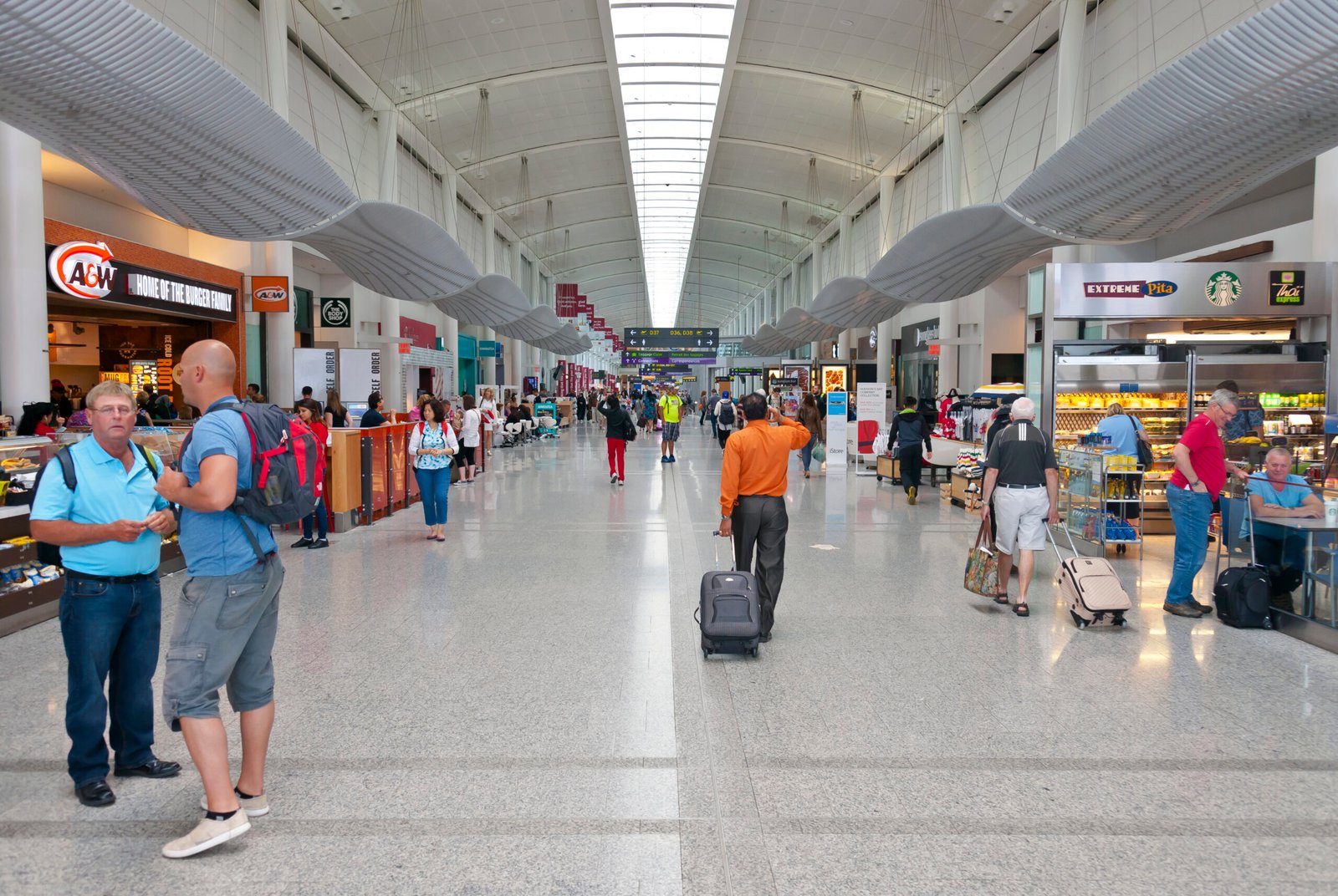
According to the CBSA’s social media post, detector dog Aggie intercepted the consignment as travellers arrived at Toronto Pearson from Pakistan. Officers recovered over 16 kilograms of undeclared food and animal products from the group. The seized items included goat feet, chicken, ghee and milk powder — all carried without being declared to customs officers.
The CBSA said the travellers were fined $1,350 for the violations. While the incident may draw a smile from anyone who has tried to carry homemade food on a long flight, Canadian officials treat undeclared animal products seriously: they can carry animal diseases and pests that threaten the country’s food safety and livestock industries.
Why Goat Feet and Ghee Break Canada’s Rules
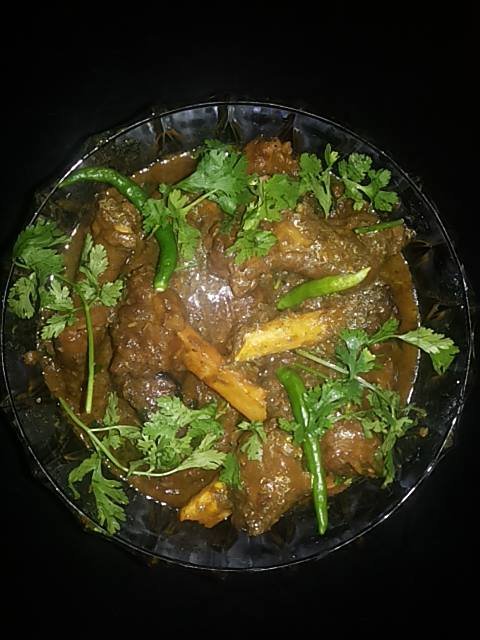
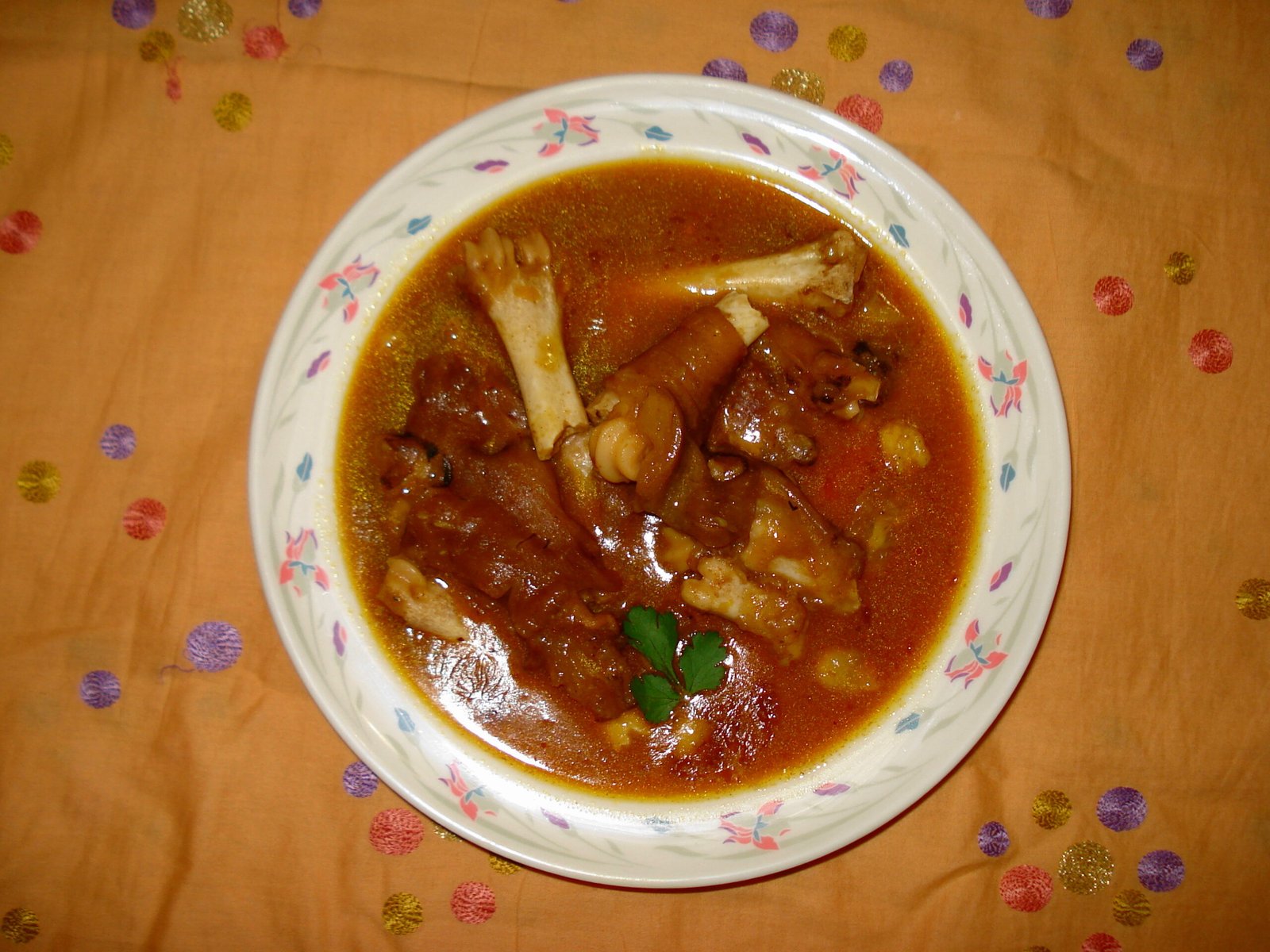
Goat feet are the foundation of siri paye, one of Pakistan’s most loved traditional dishes — slow-cooked trotters served with fresh ginger, green chillies and naan. But bringing raw or undeclared meat and animal products into Canada is tightly controlled, because of the risk of diseases such as foot-and-mouth disease spreading to Canadian livestock.
Ghee also attracts close attention. Canada’s food inspection rules restrict ghee and butter oil from certain countries because of animal-health risks, and even a sealed, shop-bought jar does not automatically get clearance. Travellers are expected to check the product’s origin before flying. Milk powder and undeclared chicken fall under the same strict agricultural controls.
The $1,350 Fine and the Warning for Travellers
Canada’s agricultural penalties are steep. The CBSA’s published penalty schedule sets fines of $500, $800 or $1,300 per violation depending on how the offence is classified — which is how the group ended up with a $1,350 bill. Each undeclared product can count as a separate violation, so the amount can add up quickly.
The simple advice from Canadian officials is blunt: declare everything. Travellers must declare all food, plant and animal products on arrival, and the CBSA points to its Automated Import Reference System (AIRS) — the official online tool where travellers can check whether a specific product from a specific country is allowed into Canada before they pack it.
The incident is a reminder for the large Pakistani community that travels between Pakistan and Canada every year: when in doubt, declare the food — or leave the siri paye ingredients at home. The dish will still taste just as good when cooked fresh on the other side.
Tips for Carrying Food to Canada Without Trouble
Airport food seizures involving South Asian travellers are more common than many realise. Enforcement agencies in Canada, the UK, the US and Australia routinely seize spices, sweets, dried fruit and home-cooked meals at arrival halls — and the reason is always the same: undeclared agricultural products are a biosecurity risk, not a paperwork technicality.
Travellers from Pakistan can avoid trouble with a few simple steps. First, declare every food item honestly on the customs declaration — officers may inspect it and let it through, but failing to declare guarantees a penalty if it is found. Second, check Canada’s AIRS database before packing any meat, dairy, ghee or animal-based product, since rules differ by product and country of origin. Third, keep receipts and original packaging for sealed food items, which can help officers assess the product quickly. And finally, remember that detector dogs patrol arrival areas in most major airports — as the group caught by Aggie discovered, hoping to slip through unnoticed is not a plan.
Related Posts
 Pakistan NewsPM Shehbaz to Visit Gilgit-Baltistan Today for 79th Independence Day, Orders Faster Development Work
 Pakistan NewsCDA Gives Fazlur Rehman 15 Days to Remove “Unauthorised” Construction at Islamabad Home — Demolition Warning
 Pakistan NewsNCCIA Busts Gang That Posed as Government Officials to Defraud Taxi Drivers in Rawalpindi
 Pakistan NewsPakistan “Cautiously Optimistic” on Iran-US Mediation After Field Marshal Munir’s Two Tehran Trips: DG ISPR
 Pakistan NewsSecurity Forces Shoot Down Five Terrorist Drones in Kharan, Balochistan
 Pakistan NewsPakistan “Deeply Hostile” to Journalism: Freedom Network’s Impunity Report 2026 Documents 97 Violations
Most Popular
 How-ToPTA Tax Calculator 2026: Check Mobile Tax on Any Phone367 views
 SportsUEFA Champions League 2026-27: Format, Teams and Schedule351 views
 Canada JobsTech Jobs in Canada: Roles, Salaries, and Skills Needed336 views
 Pakistan NewsPIA Boeing 787 Lease Deal: What It Means for the Airline335 views
 SportsBallon d’Or 2026: London Ceremony, Nominees and All-Time Records Ahead of 70th Anniversary328 views
 ShowbizWomen’s Fashion in Pakistan 2026: Trends, Brands and Style Guide317 views