Diesel up Rs2.29 a litre, petrol unchanged — what changed
The diesel price in Pakistan has crossed the Rs402 mark after the federal government raised the rate of high-speed diesel (HSD) by Rs2.29 per litre, taking it to Rs402.96 per litre. The price of petrol stays exactly where it was, at Rs377.91 per litre. The Oil and Gas Regulatory Authority (OGRA) issued the notification for the new rates on Friday, 30 October 2026, and the revised prices took effect on Saturday, 31 October, remaining valid through Monday, 2 November.
Petroleum Minister Ali Pervaiz Malik announced the revision at a news conference on Friday, where he also set out how fuel prices will be fixed going forward. The move makes diesel — the fuel that powers trucks, buses, tractors and farm tube-wells — the most expensive it has ever been at the pump, and it lands just days after a separate revision on 29 October that had pushed petrol up by Rs1.85 to its current level. That earlier change was covered separately; this article deals only with the new 30 October revision and the rates now in force from 31 October to 2 November.
Consumers buying petrol see no change this weekend. But for the diesel market — which drives freight, public transport and agriculture — the Rs2.29 increase is the headline figure, and it extends a week in which diesel prices have been climbing steadily; one industry tracker puts the cumulative rise over the past week at close to Rs12.85 a litre.
The new daily pricing framework explained
The more consequential part of Friday’s announcement is structural. Pakistan has moved to a daily fuel pricing framework: OGRA will now publish petroleum prices every day, based on a seven-day rolling average of international market rates, and it can do so without waiting for prior approval from the federal government. Friday-notified prices simply hold over the weekend, which is why the rates announced on 30 October apply from 31 October through 2 November.
Officials say the aim is to keep domestic pump prices more closely aligned with global oil markets instead of letting large adjustments pile up between the old fortnightly announcements. In practice it means smaller, more frequent movements — and consumers checking the price more often. The 31 October weekend is the first test of the new system: the prices you see at the pump today were set under the daily framework, not the old fifteen-day cycle.
The government has also kept the tax component visible. Levies and duties embedded in the pump price come to roughly Rs114 per litre on petrol and Rs100 per litre on diesel, and a Rs5-per-litre Climate Support Levy applies to both fuels. These charges stay fixed even as the base price moves with the international market, which is why the pump price responds only partially to swings in global crude.
What the hike means for transporters and consumers
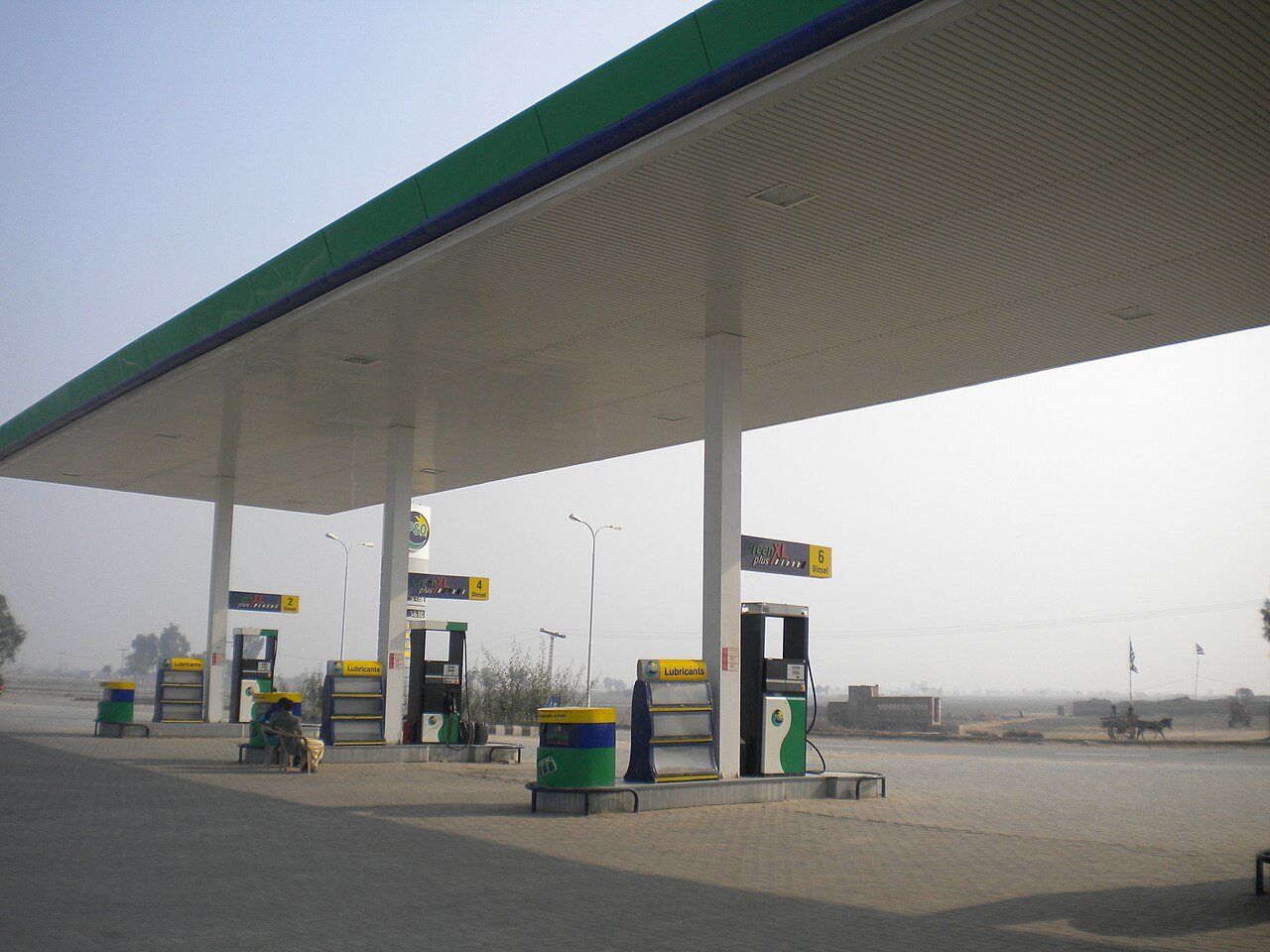
For transporters, the diesel price in Pakistan touching Rs402.96 is an immediate cost shock. Diesel runs the country’s freight fleet, inter-city buses and much of its farm machinery, so a sustained rise at the pump almost always feeds into freight rates — and from there into the price of everything carried by road, from vegetables to construction material. Transport associations have historically revised fares within days of a diesel hike, and weekend booking decisions for the coming week are already being made on the new rate.
Households that run petrol cars, motorcycles or generators get a breather this time, with petrol frozen at Rs377.91. But anyone dependent on diesel — a farmer running a tube-well, a small business using a diesel generator during load-shedding, or a commuter on a diesel-powered bus — feels the increase directly. For businesses with diesel delivery fleets, the advice this weekend is simple: fill up before Monday only matters for bulk buyers, because under the new daily system prices can shift again on Tuesday, 3 November.
The bigger question is whether daily pricing calms the cycle of sharp fortnightly jumps or simply makes increases more visible. For now, the diesel price in Pakistan at Rs402.96 per litre is the number to watch — and the next daily notification will show whether the seven-day average keeps it there, pushes it higher, or offers relief.
Related Posts
 BusinessMaryam Nawaz Launches Punjab PIVOT Economic Plan: Rs2 Trillion Investment Push for Exports and Jobs
 BusinessABHI Microfinance Bank Plans Rs3 Billion IPO on PSX — Book Building on 5–6 November
 BusinessFBR Misses October Tax Target by Rs156 Billion, Collects Rs975 Billion
 BusinessSBP SMEConnect Portal: Apply for SME Loans Online from 1 November 2026
 BusinessPM Forms Committee on LPG Policy as Govt Seeks to Shift Pricing Powers from Ogra to SOEs
 BusinessSBP Extends Banking Hours: Designated Branches Open Till 8pm on Saturday, 31 October
Most Popular
 How-ToPTA Tax Calculator 2026: Check Mobile Tax on Any Phone362 views
 SportsUEFA Champions League 2026-27: Format, Teams and Schedule345 views
 Canada JobsTech Jobs in Canada: Roles, Salaries, and Skills Needed332 views
 Pakistan NewsPIA Boeing 787 Lease Deal: What It Means for the Airline328 views
 SportsBallon d’Or 2026: London Ceremony, Nominees and All-Time Records Ahead of 70th Anniversary327 views
 ShowbizWomen’s Fashion in Pakistan 2026: Trends, Brands and Style Guide313 views