Security forces have foiled an attempted terrorist drone attack in Balochistan, shooting down five hostile quadcopters before they could reach their target, security sources said on Friday, 30 October 2026. The incident took place in the Albat area of Kharan district, where the drones were directed at a security checkpost. No loss of life or damage to property was reported.
According to the sources, the militants attempted to strike the checkpost using low-altitude drones, but security personnel detected the threat in time and destroyed all five aircraft before they could hit the installation. Stills from a video of the wreckage, aired by Geo News, showed the remains of the drones brought down in Kharan district. The foiled Kharan drone attack is the latest sign of how quickly aerial weapons are entering the toolkit of militant groups operating in the province.
What happened in Kharan’s Albat area
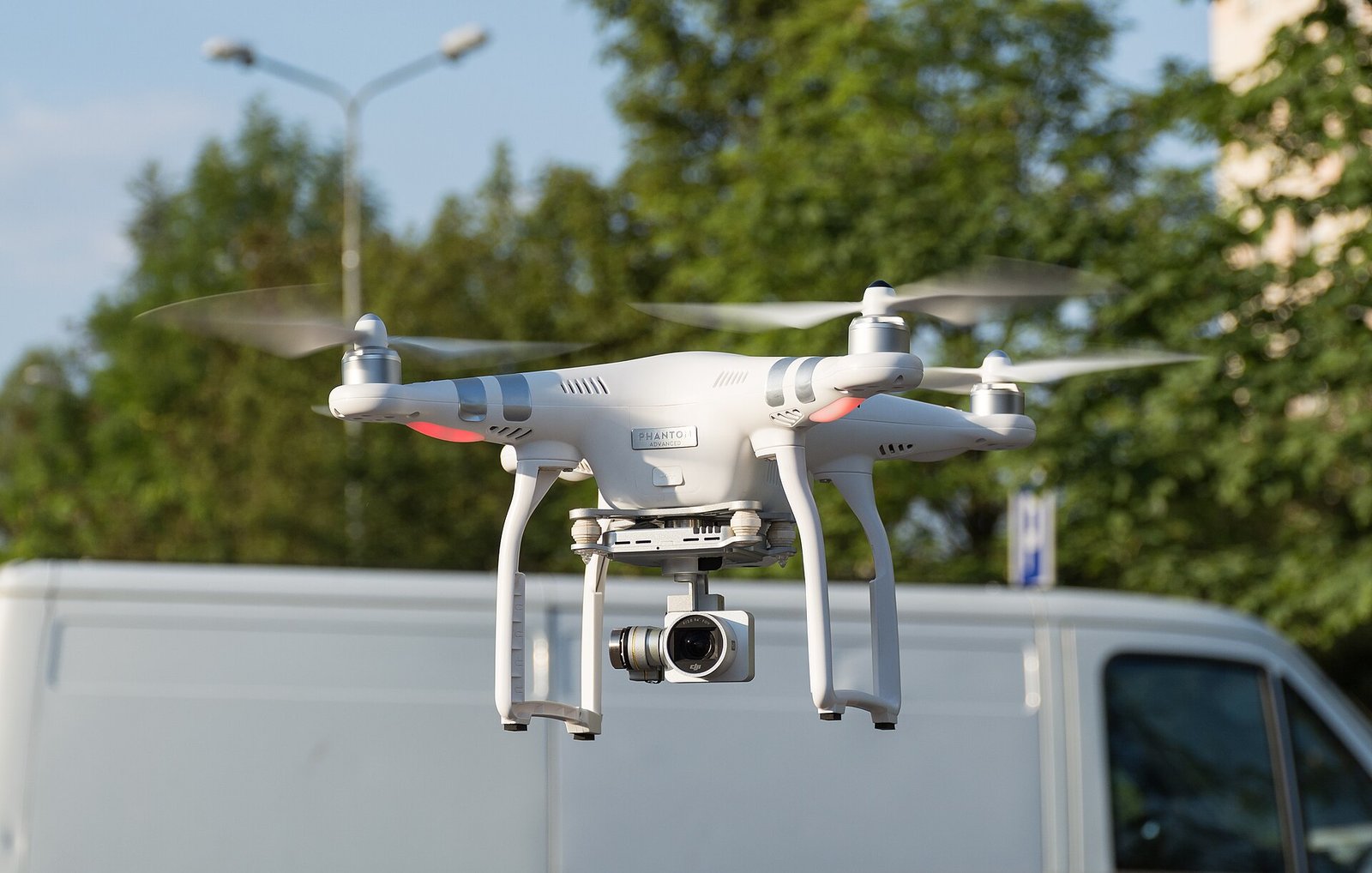
The attempt unfolded on 29 October 2026. Terrorists tried to target a security checkpost established in Albat, a locality of Kharan district in western Balochistan, using five unmanned aerial vehicles flown at low altitude. Security forces responded promptly, engaging the drones and destroying all five before they could reach the intended target.
Sources said the interception was complete: not a single drone made it to the checkpost. The wreckage was recovered, and stills published by The News showed the downed aircraft. There was no injury to personnel and no damage to the installation. The sources did not say whether the drones were carrying explosive payloads or were being used for reconnaissance — that detail has not been publicly confirmed, and the hunt for the perpetrators behind the launch is continuing.
Who Pakistan blames for the attack
Security sources linked the attempt to Fitna al-Hindustan, the term Pakistan uses for what it describes as an Indian-backed proxy network operating in Balochistan. The attribution came from officials speaking to national media on Friday; no independent verification of the claim has been published, and no group has publicly claimed responsibility for the Kharan drone attack.
The labelling matters because it places the incident inside a larger confrontation. Pakistan has in recent months repeatedly accused external actors of sponsoring violence in the province, and officials framed Friday’s foiled bid as part of that campaign. Islamabad has also continued its intelligence-based operations across Balochistan — a day before the Kharan attempt, security forces killed a terrorist during an operation in Minaz, an area of Kech district, under the ongoing Operation Raddul Fitna 3.
A growing drone threat on the western border

The Kharan incident is not an isolated one. Last month, Pakistan’s air defence system intercepted eight drones that had entered the country’s airspace from Afghanistan, according to security sources — the armed forces detected all eight in time and foiled that attempted intrusion as well. Analysts note that commercially available quadcopters have become a serious challenge: in 2025, drone attacks on police and security installations in Bannu and surrounding districts exposed how hard it is to defend fixed positions against relatively cheap aerial platforms.
What remains unknown about the Kharan drone attack is how sophisticated it was. Available information does not establish whether the five drones were flown as a coordinated swarm, what navigation systems they used, or what payloads — if any — they carried. Those details should not be assumed. What is established is simpler and more important: five drones were directed at a security checkpoint, and the defensive response worked.
What comes next

The immediate search is for the people who launched the drones. Officials say the hunt for the perpetrators continues, and forensic examination of the wreckage may reveal where the aircraft came from and how they were guided. For counterterrorism planners, the lesson of Kharan goes beyond one checkpoint: protecting security installations now requires the ability to detect and defeat threats that come from the air as well as the ground.
For residents of Kharan, the outcome was the best possible one — the attack failed before it began. But the episode underlines a trend that is only accelerating: low-cost drones are turning remote desert districts into testing grounds for a new kind of militant warfare, and Friday’s five downed aircraft in Albat are unlikely to be the last.
Sources: The News; Abb Takk News. Related: KP Police Bring Drones Into Peshawar Safe City Network in Pakistan First.
Related Posts
 Pakistan NewsPakistan “Deeply Hostile” to Journalism: Freedom Network’s Impunity Report 2026 Documents 97 Violations
 Pakistan NewsSingapore, Pakistan Discuss Resuming Direct Flights as Balakrishnan Meets Dar in Islamabad
 Pakistan NewsImaan Mazari, Husband Hadi Ali Chattha Sentenced to 10 Years by Anti-Terrorism Court
 Pakistan NewsSingapore Foreign Minister Vivian Balakrishnan in Islamabad for 60th-Anniversary Visit
 Pakistan NewsPakistan Restores Airspace for Taiwan Airlines After Brief Ban — China Airlines, EVA Air Cleared Till March 2027
 Pakistan NewsUmrah Vaccination Tender Scrapped After Rs4,500 Fee Sparks Probe; Three Officials Arrested
Most Popular
 How-ToPTA Tax Calculator 2026: Check Mobile Tax on Any Phone346 views
 SportsUEFA Champions League 2026-27: Format, Teams and Schedule328 views
 SportsBallon d’Or 2026: London Ceremony, Nominees and All-Time Records Ahead of 70th Anniversary325 views
 Canada JobsTech Jobs in Canada: Roles, Salaries, and Skills Needed315 views
 Pakistan NewsPIA Boeing 787 Lease Deal: What It Means for the Airline306 views
 ShowbizWomen’s Fashion in Pakistan 2026: Trends, Brands and Style Guide299 views