
Some chases are won in the final over. This one was effectively over inside the first six. Abhishek Sharma smashed 113 runs off just 38 balls as India chased down New Zealand’s 199 in only 13.2 overs in the third T20I at Wellington on Tuesday, 27 October 2026, winning by six wickets and taking an unassailable 3-0 lead in the five-match series.
It was the kind of innings that makes a target look small. New Zealand had done nothing wrong with the bat, posting 198 for 3, a total that wins most T20 internationals. But by the time the powerplay ended, India were 118 without loss, a record for the highest powerplay total in men’s T20I cricket, and the rest of the chase was a formality.
A total that should have been enough
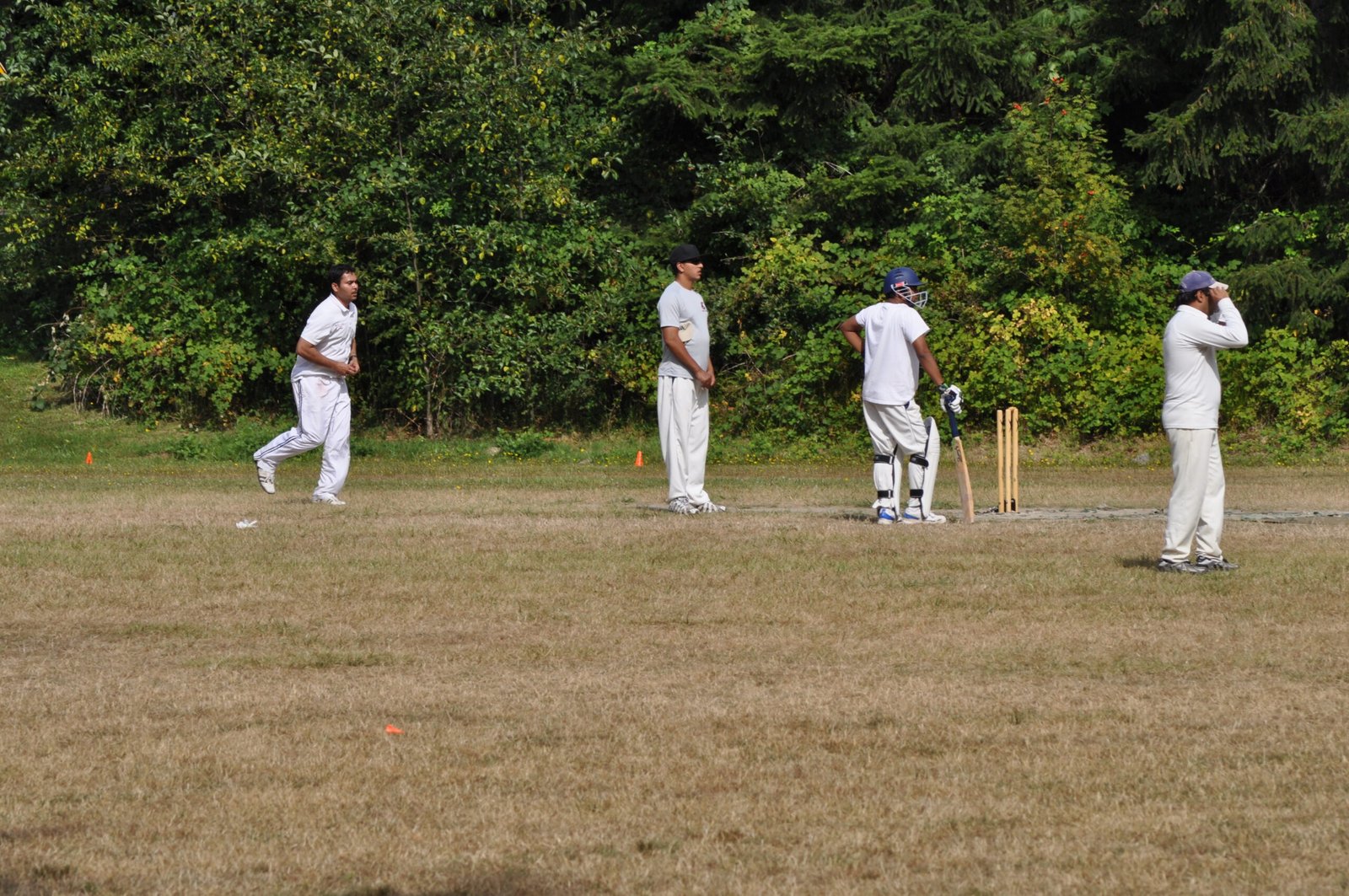
India captain Shreyas Iyer won the toss and chose to bowl first, and for a long stretch of the first innings that decision looked like it might backfire. Daryl Mitchell anchored New Zealand’s innings with an unbeaten 89 off 52 balls, while Finn Allen chipped in with 40 at the top of the order, and the hosts closed on 198 for 3 from their 20 overs.
On most nights, 198 is a winning score. It demands discipline from the chasing side, a good start, and at least one batter to play deep into the innings. India, however, treated it as though it were 150. The difference was not New Zealand’s bowling going missing; it was the sheer violence of India’s opening partnership, which turned a competitive total into a footnote within eight overs.
The opening stand that broke the game

Abhishek Sharma and Vaibhav Sooryavanshi put on 133 runs for the first wicket in just 7.1 overs. Sooryavanshi, still a teenager and batting with the freedom of someone with nothing to lose, struck 45 off 19 balls, including four fours and four sixes, before he was dismissed. By then, though, the damage was done.
The pair’s assault produced the highest powerplay score in men’s T20I history: 118 runs without losing a wicket in the first six overs. New Zealand’s bowlers tried everything, changing lengths, lines and pace, but nothing slowed the scoring. Every over seemed to contain a boundary, and most contained several. The crowd in Wellington, braving cold and blustery conditions for a midweek evening game, was treated to one of the great opening partnerships in the format.
Abhishek Sharma 113: fifty in 15 balls, hundred in 35
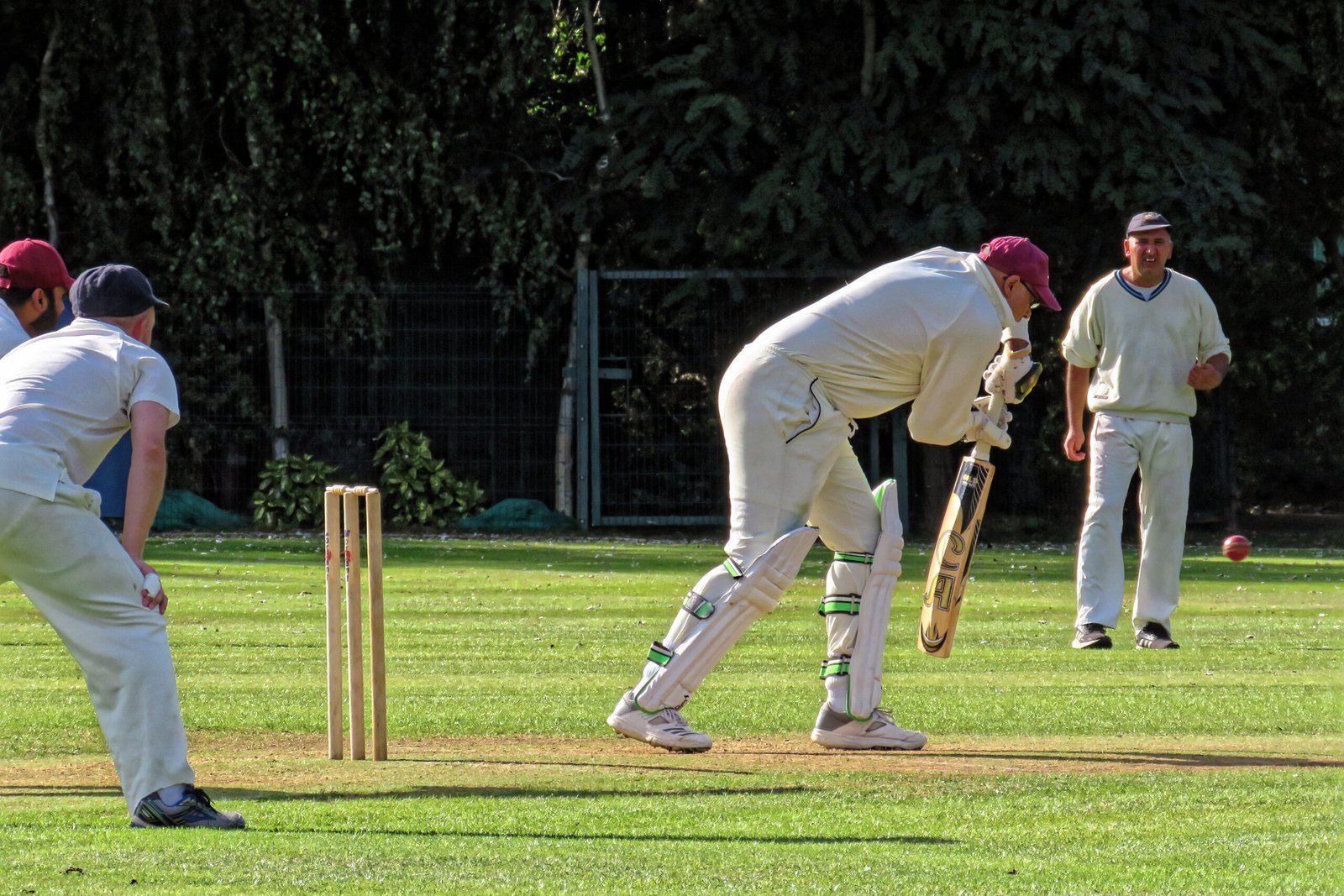
Abhishek Sharma 113 will be remembered as one of the great T20I innings. He reached his fifty in just 15 balls and brought up his hundred in 35 deliveries, hitting nine fours and 11 sixes at a strike rate of 297.37. It was his fourth hundred in T20 internationals, and it came only five balls slower than his own fastest T20I hundred, set against Afghanistan earlier this year.
The defining moment of the innings came against Kyle Jamieson. Abhishek reached his century with a top-edged four, celebrated by smashing the next two balls for a six and a four, and was eventually caught off the final ball of the tenth over, having made 113 off 38 balls. He walked off to a standing ovation, and deservedly so: he had turned a chase of nearly 200 into a procession.
Abhishek was named Player of the Match, and it was barely a contest. His innings did not just win a game; it settled a series with two matches still to play.
Why this chase was historic

The numbers behind India’s win tell the story of a batting side operating at a different speed from everyone else. India reached 199 for 4 in 13.2 overs, winning with 40 balls still remaining. The powerplay record of 118 without loss is the headline figure, but the wider picture matters too: India have now won the first three matches of the series, and no New Zealand fightback in the remaining two games can change the outcome.
There is also a broader pattern here. This Indian side bats without fear of the target in front of it. Chasing 199 in 13.2 overs is not a fluke or a one-off; it is the product of a batting line-up built to attack from the first ball, with openers who treat the powerplay as an opportunity rather than a phase to survive. New Zealand, for all their discipline, simply had no answer once the first six overs had gone the way they did.
What it means for the rest of the series
With the series sealed at 3-0, the remaining two matches become a chance for India to test combinations and for New Zealand to salvage pride. For the hosts, the questions are serious: they posted a strong total, bowled with a plan, and still lost with more than six overs to spare. Their bowlers will need to find a way to contain India’s openers, because at the moment there is no obvious weakness to exploit.
For India, the win continues a remarkable run of batting form in the shortest format. Abhishek Sharma’s rise has been the story of the year for this team, and his Wellington hundred was the latest chapter. The series may be decided, but on this evidence, the remaining matches could still produce more records.
What fans in Pakistan searched for, and why

The match dominated search interest in Pakistan on Tuesday, with fans looking up the live score, the fastest century in T20 cricket, and Sanju Samson’s role in the side. The curiosity is easy to understand: a chase like this one travels fast on social media, and a 35-ball hundred is the kind of feat that sends people searching for the scorecard before the highlights have even aired.
For Pakistani fans, the series also matters because of what it says about the modern T20 game. The bar for a winning total keeps rising, and innings like Abhishek Sharma 113 are the reason why. A total of 198 used to be a fortress. In Wellington on Tuesday, it lasted barely 13 overs.
India now lead the five-match series 3-0, with two matches remaining. New Zealand will need something special to avoid a heavy series defeat, and on the evidence of Tuesday, something special might not even be enough.
Related Posts
 SportsBangladesh vs West Indies Test Series 2026: Schedule, Squads and What Is at Stake in Mirpur and Sylhet
 SportsPakistan vs Sri Lanka ODI: Sri Lanka Bowl Pakistan Out for 110 and Win by 8 Wickets in Lahore
 SportsPakistan vs India on 5 November: Everything to Know Before the SAFF Championship 2026 Opener
 SportsHarry Kane Wins Ballon d’Or 2026 as Putellas Claims Third Women’s Crown
 SportsShadab Khan’s Unbeaten 113 Rescues Pakistan in One-Wicket Thriller Against England at Lahore
 SportsEl Clasico 2026 Result: Real Madrid Beat Barcelona 2-1 as Mbappe Brace Ends Perfect Start
Most Popular
 How-ToPTA Tax Calculator 2026: Check Mobile Tax on Any Phone298 views
 SportsBallon d’Or 2026: London Ceremony, Nominees and All-Time Records Ahead of 70th Anniversary297 views
 Pakistan NewsPIA Boeing 787 Lease Deal: What It Means for the Airline282 views
 SportsUEFA Champions League 2026-27: Format, Teams and Schedule279 views
 TechnologyRedmi K100 Launching on 28 October: 10,000mAh Battery, 185Hz Display and Full Specs277 views
 Canada JobsTech Jobs in Canada: Roles, Salaries, and Skills Needed271 views