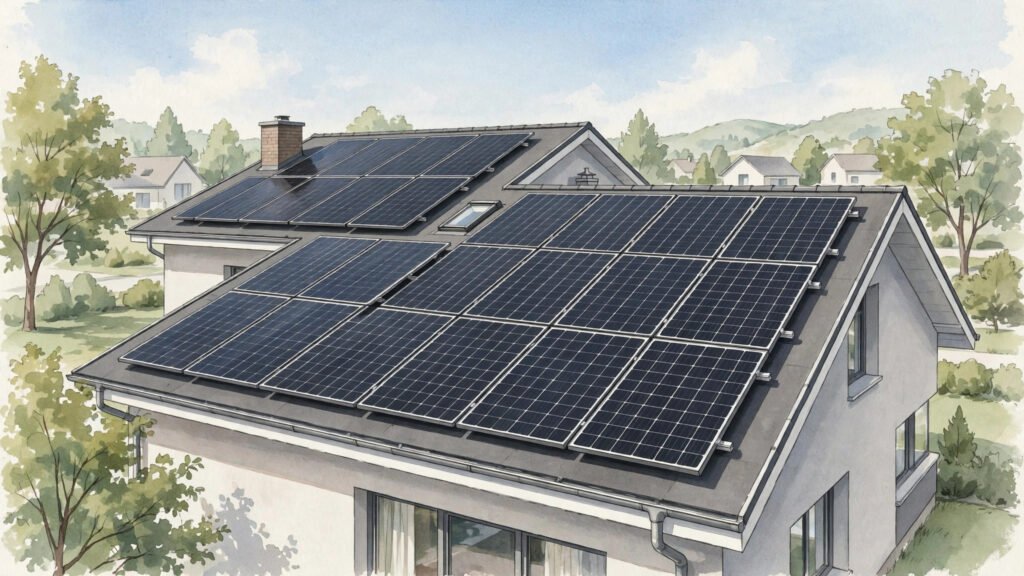
Solar Panel Prices in Pakistan 2026: Per Watt Rates and Brands
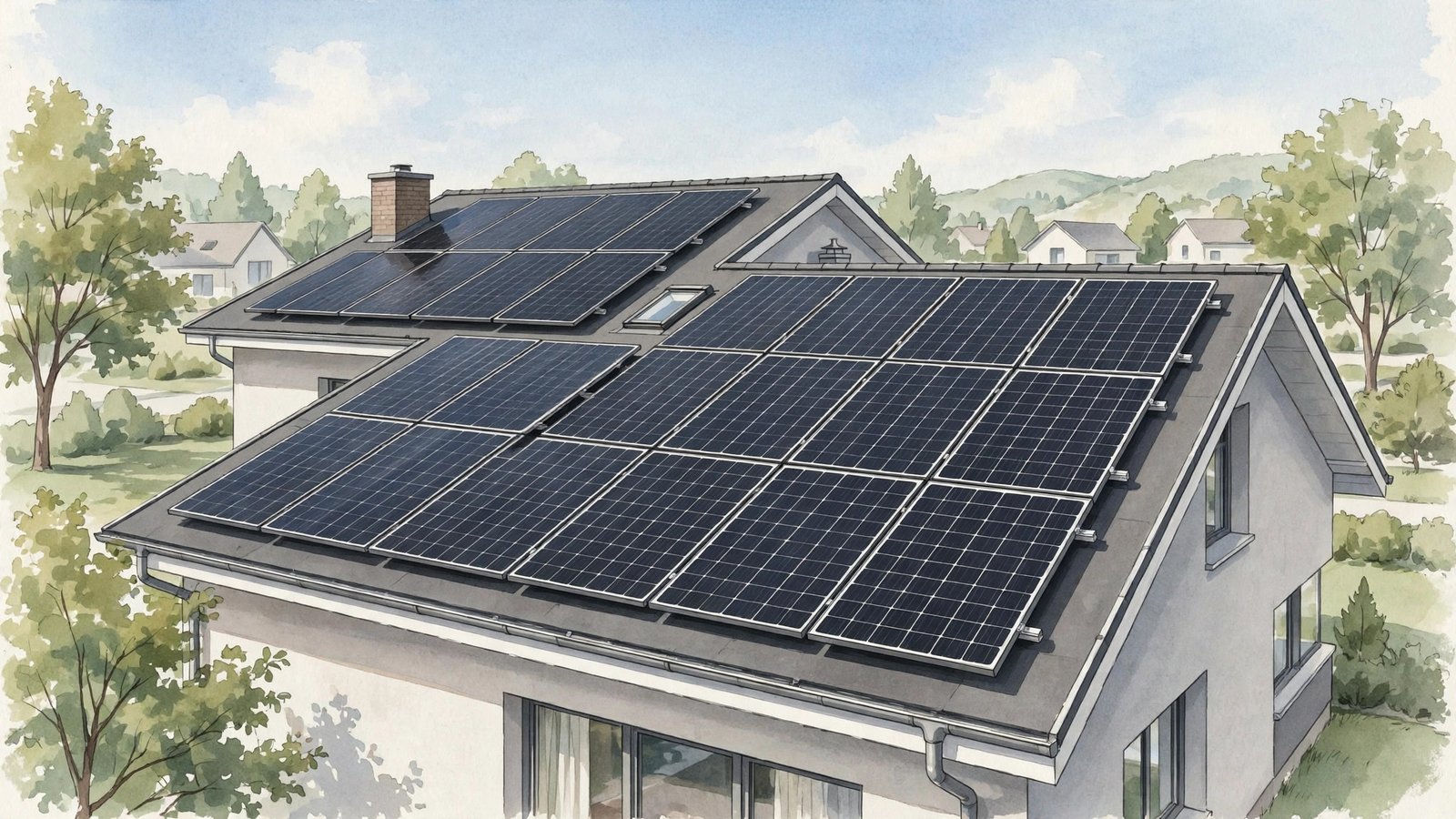
If you are planning to switch to solar energy, the first thing you need to understand is the solar panel price in Pakistan. Panels are the heart of any solar system, and their cost decides how quickly your investment pays for itself. As of October 2026, the market has settled around a fairly stable band, and buyers who know the per-watt rate rarely overpay. This guide breaks down the latest solar panel price figures by brand, explains how per-watt pricing works, and shows you how to get the best deal.
Solar modules in Pakistan are almost always sold by the watt. Instead of comparing the total price of two different panels, smart buyers compare the rate per watt. This simple habit protects you from inflated quotations and makes brand comparisons fair, whether you are buying a 585W residential panel or a 715W commercial plate.
Solar Panel Price Per Watt in Pakistan (October 2026)
The current solar panel price per watt for Tier-1 N-type panels sits between Rs 38 and Rs 45, depending on brand, model and purchase volume. Wholesale dealer listings updated on 14 October 2026 show Longi Hi-MO 7 580W panels at Rs 41-43 per watt, Jinko Tiger Neo 585W at Rs 42-45 per watt, and JA Solar N-type 540W at Rs 39-42 per watt. Canadian Solar N-type 585W panels trade around Rs 40.75-43 per watt, while Trina Vertex N 585W and Astronergy N-type 585W sit in the Rs 39-42.50 range.
Budget-conscious buyers can find value options too. OSDA N-type 585W panels are listed around Rs 38.50-40.50 per watt, and older P-type stock such as ZNShine 545W can be found near Rs 29.50 per watt, though these are being phased out. A standard 585W residential plate costs roughly Rs 22,500-25,500, while larger 700-715W commercial panels sell for Rs 29,500-33,500.
Best Solar Panel Brands in Pakistan
Longi remains the most widely installed brand in Pakistan, known for the Hi-MO 7 and Hi-MO X10 series with strong degradation control and a 12-year product warranty backed by 25 years of performance cover. Jinko Solar, with its Tiger Neo TOPCon bifacial range, commands a small premium thanks to Tier-1 bankability and durability. JA Solar balances affordability with efficiency, making it one of the fastest-growing choices for budget-optimised residential projects.
Canadian Solar panels are considered premium and priced accordingly, often chosen for corporate and export-grade installations. Trina Solar, Astronergy, Risen and Aiko also compete aggressively in the 585W-640W bracket that dominates residential net-metering systems. When you compare the solar panel price across brands, remember that a lower rate is not automatically better value. Always check the panel’s grade, authenticity, warranty documents and cell technology before deciding.
What Affects the Solar Panel Price?
Panels are imported and priced in US dollars, so the USD-PKR exchange rate directly moves the market. Fresh container arrivals, dealer stock levels and daily market conditions in Hall Road Lahore, Saddar Karachi and Raja Bazaar Islamabad all influence the final quotation. Smaller retail purchases of 8-10 panels typically land in the middle of the published range, while distributor-level volume buys sit closer to the floor.
Technology also matters. N-type TOPCon bifacial panels cost more than older P-type PERC stock but deliver higher efficiency and slower degradation, which improves your long-term savings. Dual-glass construction, half-cut cells and high wattage ratings all add a modest premium that is usually worth paying for a system you will run for 20 years or more.
How to Calculate Your System Cost
The calculation is simple: panel price equals wattage multiplied by the per-watt rate. A 580W panel at Rs 42 per watt costs Rs 24,360, and a 585W panel at the same rate costs Rs 24,570. For a typical 5kW home system needing around 5,000 watts of panels, the panel cost alone works out to roughly Rs 190,000-225,000 at current rates. Add an inverter, mounting structure, wiring and installation, and a complete 5kW hybrid system with a lithium battery runs Rs 8-10.5 lakh in August-September 2026 market conditions.
Before you sign a quotation, confirm the exact model number, stock condition and final rate on the day of purchase. Prices change daily, so never follow an old article’s numbers blindly. You can read our detailed solar inverter price guide to budget the second-biggest component, and check how the net metering policy 2026 affects your return on investment before you commit.
Frequently Asked Questions
What is the solar panel price per watt in Pakistan today?
As of October 2026, Tier-1 N-type panels cost Rs 38-45 per watt, with most residential 585W panels landing between Rs 40 and Rs 43 per watt.
Which solar panel brand is best in Pakistan?
Longi, Jinko, JA Solar, Canadian Solar and Trina dominate the market. Longi leads in installations, while Jinko and Canadian Solar are seen as premium Tier-1 choices.
How much does a 585W solar panel cost in Pakistan?
A single 585W N-type plate costs approximately Rs 22,500-25,500 depending on brand and dealer.
What is the warranty on solar panels?
Most Tier-1 brands offer 12-15 years product warranty with a 25-30 year performance warranty.
Is it cheaper to buy solar panels wholesale?
Yes, container-level and bulk purchases can be 5-10% cheaper per watt than small retail orders, though transport and handling add up for distant buyers.
For more verified market data, see the latest solar panel price listings and brand-wise price comparisons. Prices quoted here reflect the market as of 14 October 2026.
Solar Panel Prices in Pakistan: Buyer Essentials
The solar panel price per watt has fallen dramatically, making rooftop solar the cheapest long-term electricity for many households. The solar panel price in pakistan varies by brand tier: the longi solar panel price and jinko solar panel price represent top-tier options with strong efficiency and warranties, while lesser-known brands cost less per watt.
Compare the solar plate price per watt rather than per panel, verify A-grade tier-1 panels through serial checks, and size your system to your actual consumption. A well-installed system typically pays for itself within a few years at current tariffs.
Related Posts
 BusinessPakistan Introduces Electronic Power Monitoring System to Crack Down on Power Theft
 BusinessTech Stocks Trillion Loss: $1 Trillion Wiped Out as Oil Hits $110
 BusinessLululemon Chief Product Officer: Maggie Gauger Joins as President & CPO in Leadership Overhaul
 BusinessKOSPI Index Crash: South Korea’s KOSPI Suffers 7.57% Drop, Triggering Circuit-Breakers
 BusinessBlinkit Reliance Food Probe: Indian Regulators Name Executives in Expired Food Case
 BusinessHDFC Bank Profit Miss: Q2 Net Profit Rises 4.7% but Treasury Slump Disappoints
Most Popular
 How-ToPTA Tax Calculator 2026: Check Mobile Tax on Any Phone90 views
 BISPPunjab Driving License Scam Alert: Fake Websites & “Without Test” Fraud | UrduPro81 views
 Canada JobsTech Jobs in Canada: Roles, Salaries, and Skills Needed76 views
 TechnologyTecno Mobile Prices in Pakistan 2026: Spark, Camon and Pova Series Compared67 viewsBusinessTech Stocks Trillion Loss: $1 Trillion Wiped Out as Oil Hits $11066 views
 ShowbizWomen’s Fashion in Pakistan 2026: Trends, Brands and Style Guide62 views




One comment