Net Metering in Pakistan 2026: How to Apply and Benefits
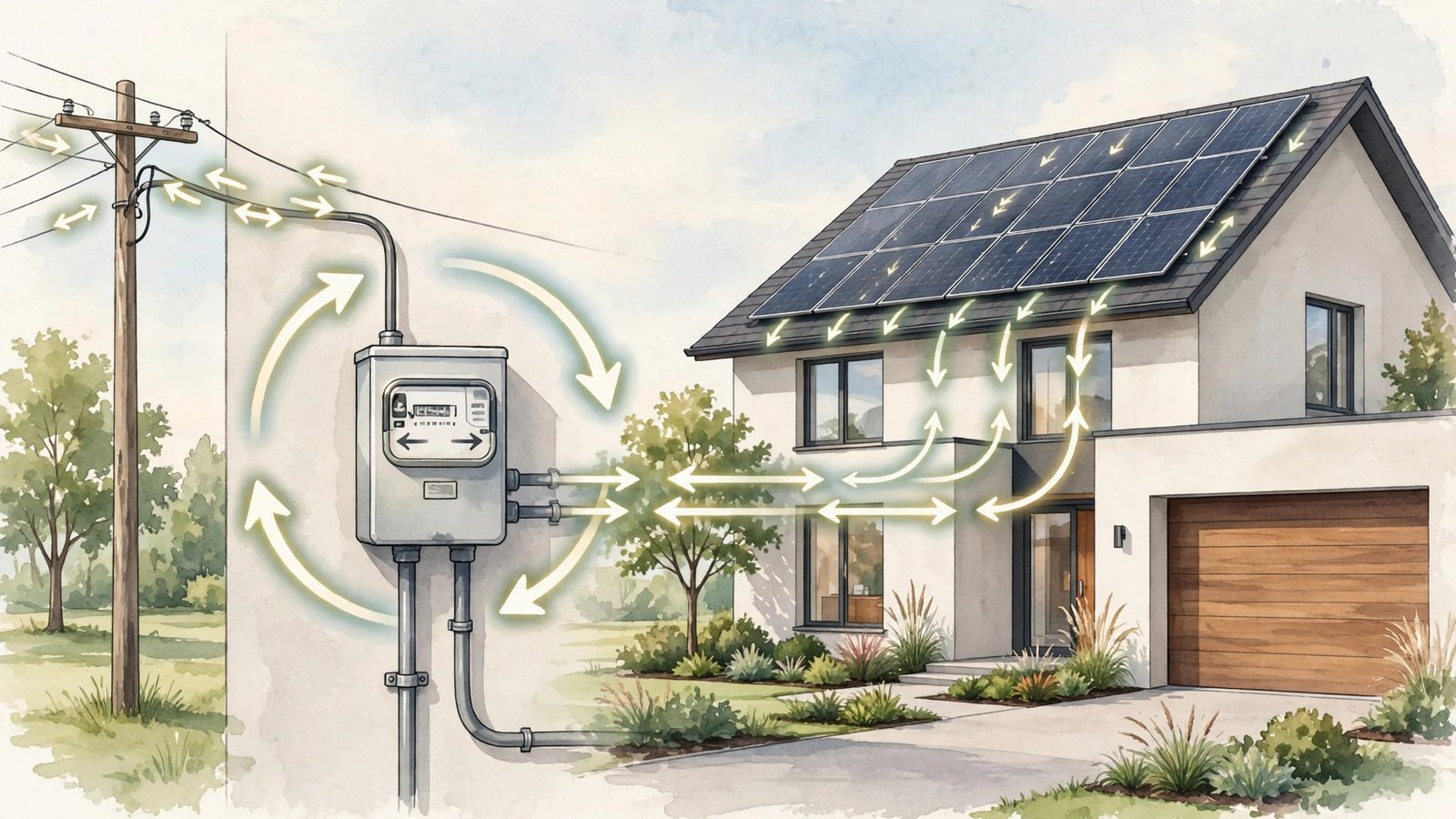
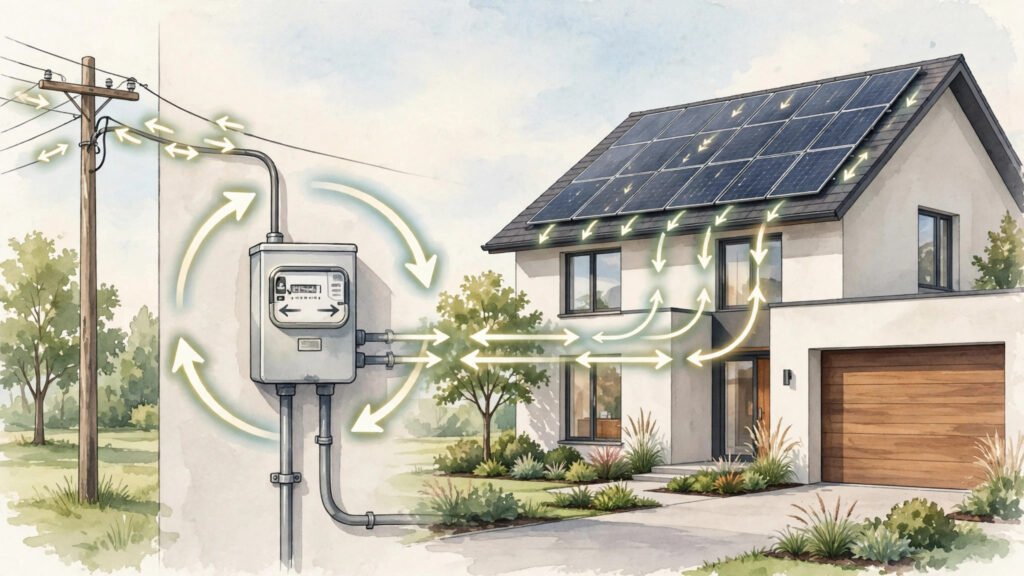
Net metering changed forever in Pakistan in 2026. On 9 February 2026, NEPRA notified the Prosumer Regulations 2026, replacing the one-for-one exchange system from 2015 with a new net billing framework. If you are considering rooftop solar this year, you must understand the new rules, the revised buyback rate, and the application process before you invest. This guide covers everything, updated for October 2026.
Under the old system, every unit of solar electricity you exported cancelled out one unit you consumed at night. Under net billing, the units you export are bought at a low buyback rate while the units you import are billed at the full retail tariff. The economics of rooftop solar still work, but mainly through the power you consume yourself rather than the surplus you export.
Net Metering vs Net Billing: What Changed in 2026
The biggest change in the old exchange policy is the buyback rate. Under the 2015 framework, exported units were credited at around Rs 25.9 per unit. Under the 2026 net billing rules, exports are bought at the national average energy purchase price, which regulators and industry sources place around Rs 8-11 per unit. Meanwhile imported electricity costs the full slab-based tariff of Rs 40-60 per unit. Contract terms also shortened from seven years to five years, renewable by mutual consent.
New technical conditions apply too. System size is capped at 1MW and cannot exceed your sanctioned load. No new connections are allowed if solar generation on your local transformer has reached 80% of its rated capacity. Systems of 250kW or above need a mandatory load flow study. A non-refundable concurrence fee of Rs 1,000 per kW applies, and all interconnection costs are borne by the prosumer.
Who Is Protected Under the Old Rules?
Existing consumers under the old scheme are grandfathered. If you held a valid old-scheme agreement as of 9 February 2026, you continue under the old one-for-one terms, including the higher buyback rate of around Rs 25.32 per unit, until your contract expires. After intervention at the Prime Minister level, NEPRA confirmed that 5,165 applications submitted before 8 February 2026 would also be processed under the previous regulations.
Anyone applying after 9 February 2026 falls entirely under net billing. According to Power Division data, 82% of Pakistan’s 466,000 registered prosumers are concentrated in 11 major cities, with Lahore leading at 24%, followed by Multan at 11% and Rawalpindi at 9%.
How to Apply for Net Metering in 2026
The application goes through your distribution company (LESCO, K-Electric, IESCO, etc.). Discos must acknowledge your application within 5 working days, complete the technical review within 15 days, and install the interconnection within 15 days after payment. Residential systems up to 25kW do not need a separate generation licence from NEPRA; larger systems do.
You will need your latest electricity bill, CNIC copy, proof of property ownership or tenancy, and the technical specifications of your proposed system. Your installer usually handles the paperwork, but verify that they are registered and that the meter installed supports two-way measurement. Given the reduced buyback rate, size your system to match your daytime consumption rather than maximising exports. Compare component costs in our solar panel price and solar inverter price guides before you sign.
Is Solar Still Worth It in 2026?
Yes, but the math has shifted. With exports earning only Rs 8-11 per unit, the fastest payback comes from self-consumption: running air conditioners, motors and heavy appliances during the day directly on solar. A well-sized system for a home with high daytime usage can still recover its cost in 3-4 years at current tariffs, even under the new net metering economics, after which the electricity is nearly free for the life of the panels.
Battery storage also matters more now. Storing surplus daytime energy for evening use beats exporting it at the low buyback rate, which is why hybrid inverters dominate new installations. Watch for NEPRA notifications, since the regulator can revise the buyback rate during your agreement.
Frequently Asked Questions
What is the buyback rate under net billing in 2026?
New consumers under net billing get around Rs 8-11 per exported unit, down from about Rs 25.9 under the old system.
Can I still get net metering in Pakistan?
New applications go on net billing, not the old net metering scheme. Existing pre-February 2026 contracts keep old terms until expiry.
How long does approval take?
Discos must acknowledge within 5 working days, review within 15 days, and connect within 15 days after payment.
What is the maximum system size?
1MW, capped at your sanctioned load. Residential systems up to 25kW need no separate NEPRA generation licence.
Does net billing apply to existing solar users?
No, existing consumers are protected until their current contract expires; renewals shift to net billing.
Read the full 2026 application guide and NEPRA’s net billing rules explained. Policy details verified as of October 2026.
Step-by-Step Walkthrough: Net Metering in Pakistan 2026: How to Apply and Benefits
Rising electricity bills have pushed thousands of households towards rooftop solar, making net metering one of the most researched energy topics in Pakistan. This walkthrough explains the net metering application process, the net metering cost in pakistan, the net metering benefits, and the net metering government policy 2026.
Net Metering Application Process
The net metering application process starts with a licensed installer who surveys your roof, checks your sanctioned load and prepares the technical documents. Your application then goes to the distribution company along with the net-metering agreement. After inspection and the installation of a bidirectional meter, your system is connected to the grid and you start earning credit for exported units.
Net Metering Cost In Pakistan
The net metering cost in pakistan depends on system size, panel quality and inverter brand. A typical home system pays for itself through bill savings within a few years, after which the electricity is effectively free for the remaining life of the panels. Get quotes from at least three licensed installers and compare the equipment brands, not just the total price.
Net Metering Benefits
The net metering benefits go beyond lower bills: surplus daytime generation offsets night-time consumption, property value increases, and you gain protection against future tariff hikes. During load-shedding, a hybrid setup with batteries keeps essential appliances running.
Net Metering Government Policy 2026
The net metering government policy 2026 sets the rules for how exported units are credited against imported ones. Policies have been revised over time, so confirm the current buyback rate and settlement cycle before investing — the numbers directly affect your payback period.
Related Posts
 BusinessPakistan Introduces Electronic Power Monitoring System to Crack Down on Power Theft
 BusinessTech Stocks Trillion Loss: $1 Trillion Wiped Out as Oil Hits $110
 BusinessLululemon Chief Product Officer: Maggie Gauger Joins as President & CPO in Leadership Overhaul
 BusinessKOSPI Index Crash: South Korea’s KOSPI Suffers 7.57% Drop, Triggering Circuit-Breakers
 BusinessBlinkit Reliance Food Probe: Indian Regulators Name Executives in Expired Food Case
 BusinessHDFC Bank Profit Miss: Q2 Net Profit Rises 4.7% but Treasury Slump Disappoints
Most Popular
 How-ToPTA Tax Calculator 2026: Check Mobile Tax on Any Phone90 views
 BISPPunjab Driving License Scam Alert: Fake Websites & “Without Test” Fraud | UrduPro81 views
 Canada JobsTech Jobs in Canada: Roles, Salaries, and Skills Needed76 views
 TechnologyTecno Mobile Prices in Pakistan 2026: Spark, Camon and Pova Series Compared67 viewsBusinessTech Stocks Trillion Loss: $1 Trillion Wiped Out as Oil Hits $11066 views
 ShowbizWomen’s Fashion in Pakistan 2026: Trends, Brands and Style Guide62 views



One comment