Pakistan pulled off one of the great one-day escapes at Gaddafi Stadium on Sunday, beating England by one wicket after Shadab Khan 113 not out dragged the hosts from 154 for nine to a famous victory. Chasing 242 in the ODI tri-series match, Pakistan looked beaten with only the last pair at the crease and 88 runs still needed. Instead, Shadab Khan 113 not out — his maiden century in one-day international cricket — turned a lost cause into a win with 17 balls to spare, and booked Pakistan’s place in the tri-series final.
The result, sealed in front of a roaring Lahore crowd, will be remembered as much for how it was won as for the margin. Pakistan had been in trouble from the very start of the chase, lost wickets in clusters through the middle overs, and were nine down before the final act began. What followed was an 89-run last-wicket partnership between Shadab and Haris Rauf that rewrote the record books and left England, who had earlier posted 241, still searching for their first win of the tri-series.
A chase that looked lost at 154 for nine

Pakistan’s chase of 242 never got going. Fakhar Zaman fell for 10, Saim Ayub managed only six, and Babar Azam was dismissed for 10 as the hosts slumped to 31 for three inside the first seven overs. Saad Baig briefly counter-attacked with 32 off 22 balls, and Salman Ali Agha added 26, but every recovery was cut short. Hasan Nawaz made 15, Arafat Minhas fell for one, and when captain Shaheen Shah Afridi departed for four, Pakistan were six down and sinking.
The slide continued until debutant Razaullah was dismissed for eight, leaving Pakistan nine wickets down for 154. With 88 runs still required and only Haris Rauf, the No. 11, left to join Shadab, the match looked over. Large parts of the crowd had begun to drift away, and England’s fielders were already celebrating in their minds. What they had not reckoned with was the batsman still standing at the crease.
How the last-wicket stand unfolded
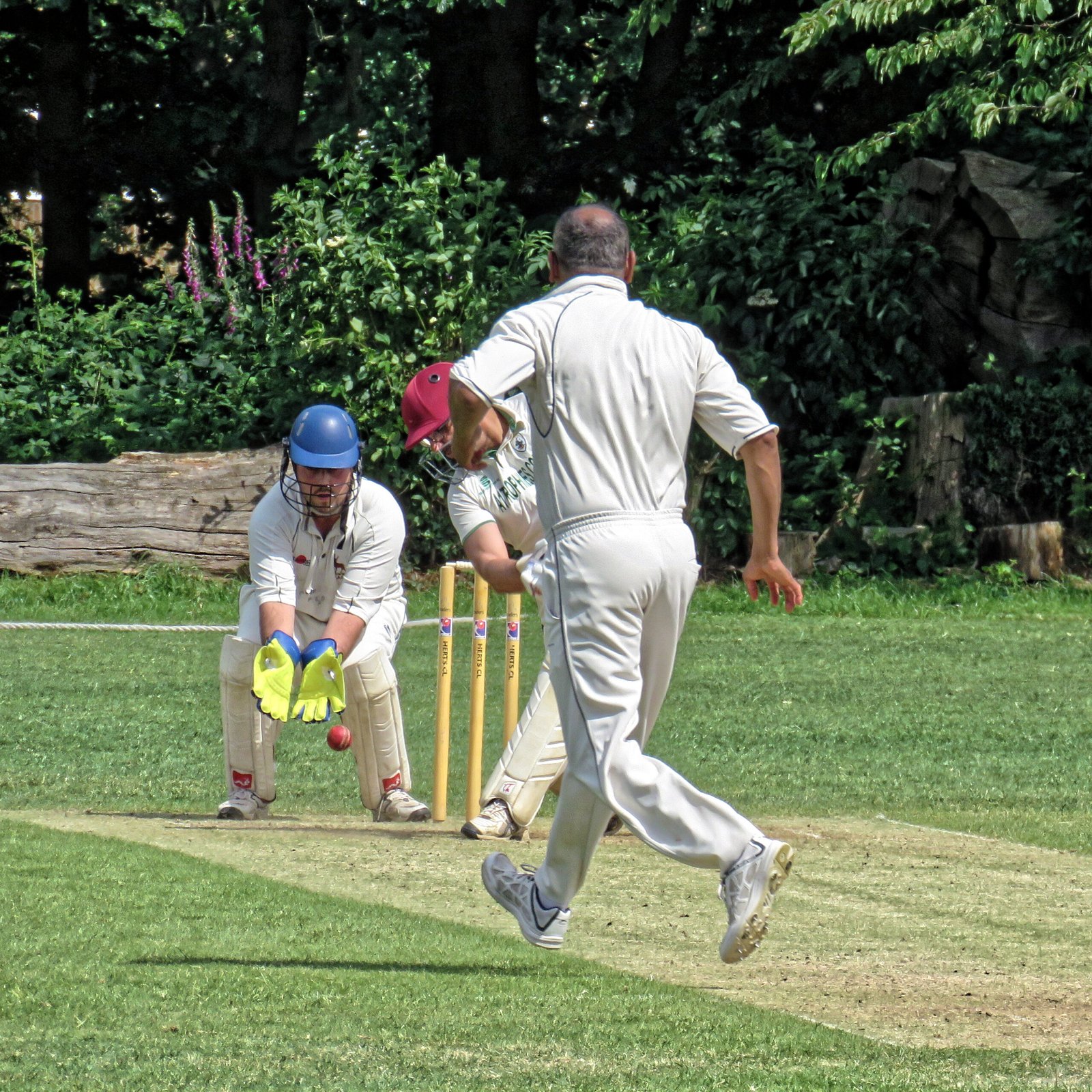
Shadab Khan and Haris Rauf added an unbeaten 89 runs for the tenth wicket, the highest last-wicket partnership in a successful run chase in one-day international history. Rauf’s contribution was just seven not out off 19 balls, but it was priceless: he survived, he rotated the strike when he could, and he gave Shadab the platform to do the damage at the other end.
Shadab farmed the strike expertly, picking off a boundary almost every over while keeping the required rate within reach. He was severe on anything short or overpitched, and he ran hard between the wickets to keep Rauf off strike against England’s most dangerous bowlers. England thought they had broken through more than once, including a leg-before appeal against Shadab that was overturned on review, but the partnership held. With every over that passed, the belief in the stadium grew, and the pressure shifted from the batting side to the fielding one.
The winning runs came in the 48th over, with Pakistan reaching 243 for nine in 47.1 overs. Shadab finished unbeaten, Rauf unbeaten beside him, and the Lahore crowd in delirium. It was the kind of finish that makes one-day cricket irresistible: a match that had seemed dead for an hour, brought back to life by two men who refused to accept the script.
Shadab’s innings: 113 not out off 96 balls
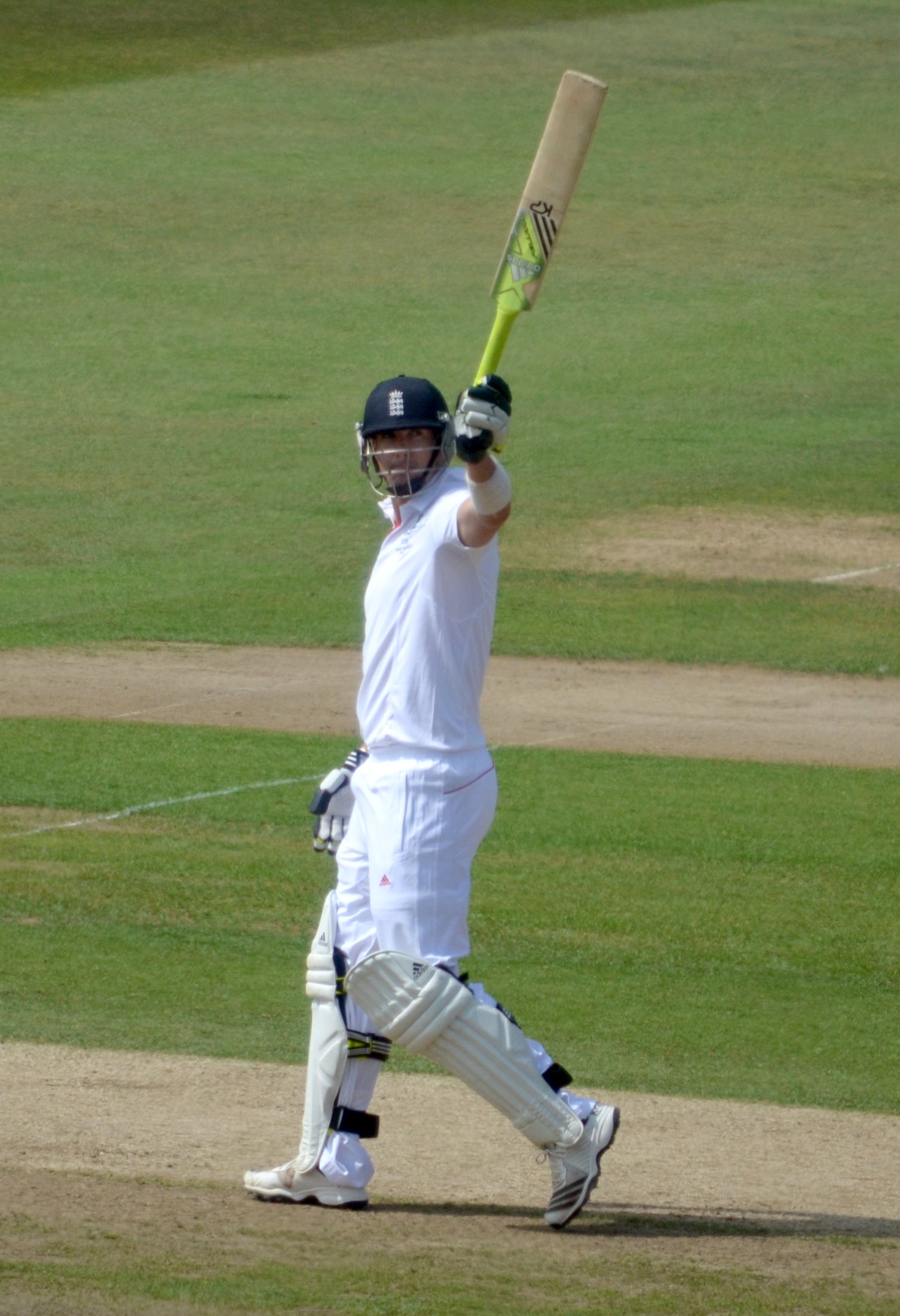
Shadab Khan’s 113 not out off 96 balls contained 13 fours and five sixes, and it was built in two distinct halves. The first part was about survival and accumulation, as he rebuilt after the early collapse and then watched partners come and go. He reached his half-century while the match was still sliding away from Pakistan, and he did it without taking reckless risks.
The second half was pure attack. Once Rauf joined him, Shadab took charge of the chase, finding the boundary with drives through the covers, pulls in front of square and clean strikes down the ground. He reached his hundred with a squeezed boundary behind point, raising his bat to a crowd that had gone from despair to disbelief to delight. It was his first century in international cricket in any format, and it came at No. 8 in the batting order — a position from which very few players have ever scored a one-day hundred.
For a player whose international career has been built largely on his leg-spin and his fielding, this was a statement innings. Shadab has long been regarded as a handy lower-order batsman, capable of quick runs at the death. At Lahore, he showed he could do much more than that: he could bat through a crisis, pace a chase, and finish a match that nobody else believed could be won.
England’s innings: Duckett’s century undone
England, sent in to bat after Pakistan captain Shaheen Shah Afridi won the toss and chose to bowl first, were dismissed for 241 in 46.4 overs. Ben Duckett was the standout, scoring 105 off 111 balls for his third one-day century, holding England’s innings together while wickets fell around him. Sam Curran contributed 42 and Gus Atkinson finished unbeaten on 36, but no other England batsman passed fifty.
Shaheen led Pakistan’s bowling with four wickets for 46 runs, a spell that also took him to 150 wickets in one-day internationals. His early strikes set the tone, and Pakistan’s bowlers kept chipping away to keep England to a below-par total on a good batting surface. At the halfway stage, 241 looked well short of a winning score. By the end of the evening, it had proved almost enough — and that, for England, will be the painful part of this defeat.
England’s bowlers had done their job for most of the chase. Jamie Overton took three wickets for 43 runs and led a disciplined attack that reduced Pakistan to 154 for nine. Liam Dawson and Gus Atkinson also struck twice each. For 40 overs, England’s plan worked perfectly. It was undone in the final act by one batsman playing the innings of his life.
Records broken on a remarkable night

The numbers behind the Shadab Khan 113 innings tell the story of how rare it was. The 89-run tenth-wicket stand with Haris Rauf is the highest last-wicket partnership in a successful one-day chase, beating the previous mark of 64 set by Deryck Murray and Andy Roberts for the West Indies against Pakistan back in 1975. It is a record that had stood for half a century.
Shadab also became only the third man to score a one-day international century batting at No. 8 or lower, and his 113 is among the highest scores ever made from that position in the format. Add in Shaheen’s 150th one-day wicket in the same match, and the game at Gaddafi Stadium produced a cluster of milestones that will be quoted for years. Pakistan also played the match in a pink kit to mark Breast Cancer Awareness Day, a touch that added colour to an already unforgettable evening.
Reactions after the match captured the mood. Fans and former players compared the innings to the great late-order rescues of Pakistan’s past, and the winning graph of the chase — Pakistan’s chances flatlining at 154 for nine before climbing steeply to victory — was shared widely online. “Superman” was the word doing the rounds for Shadab in Lahore, and on this evidence it was hard to argue with it.
What the win means for the tri-series final
The victory takes Pakistan into the ODI tri-series final, scheduled for 31 October, with six points from three matches. For a side that has been searching for consistency in the fifty-over format, winning a match from a position as hopeless as 154 for nine will do more for belief than any number of comfortable victories. It also gives the Lahore crowd a final to look forward to, and gives Pakistan momentum at exactly the right moment.
England, by contrast, remain winless in the tri-series after three matches, and this defeat will hurt more than the others. They had the match won, twice over, and let it slip through a last-wicket partnership. Their bowlers will replay the final overs for days, wondering what else they could have done against a batsman who simply refused to be beaten.
For Shadab Khan, though, the night belonged to him alone after his 113. He walked in with Pakistan six down and in trouble, he was still there when the last run was scored, and he walked off with a maiden century, the player-of-the-match award and a place in Pakistan’s one-day folklore. Matches like this are why crowds keep coming back to Gaddafi Stadium — because sometimes, just when everything looks lost, one player decides that it is not.
Related Posts
 SportsEl Clasico 2026 Result: Real Madrid Beat Barcelona 2-1 as Mbappe Brace Ends Perfect Start
 SportsPakistan Lose Sultan of Johor Cup 2026 Final to Malaysia in Shootout After 2-2 Draw
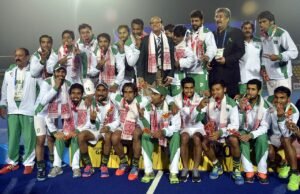 SportsPakistan Reach Sultan of Johor Cup 2026 Final After 2-2 Draw With Japan
 SportsEl Clasico 2026: Barcelona vs Real Madrid Preview and Kick-Off Time in Pakistan
 SportsPakistan to Host Women’s T20 World Cup 2028: ICC Confirms Dates
 SportsPSL Mulls Six-a-Side Off-Season Tournament Called HBL PSL Sixes
Most Popular
 SportsBallon d’Or 2026: London Ceremony, Nominees and All-Time Records Ahead of 70th Anniversary279 views
 How-ToPTA Tax Calculator 2026: Check Mobile Tax on Any Phone278 views
 TechnologyAround 20 Pakistani Tech Companies Showcase Innovation at TechCrunch Disrupt 2026 in San Francisco256 views
 TechnologyRedmi K100 Launching on 28 October: 10,000mAh Battery, 185Hz Display and Full Specs250 views
 SportsUEFA Champions League 2026-27: Format, Teams and Schedule249 views
 Canada JobsTech Jobs in Canada: Roles, Salaries, and Skills Needed245 views