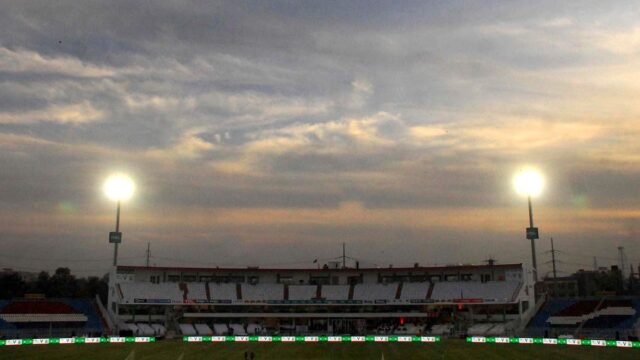
The ICC fines Pakistan Sri Lanka for slow over-rates after the opening match of the Pakistan ODI Tri-Series, with world cricket’s governing body confirming on Monday that both teams will lose a share of their match fees. Pakistan, who won Sunday’s opener at Rawalpindi Cricket Stadium by 37 runs, were docked 10 per cent of their match fee, while Sri Lanka were fined 5 per cent, the International Cricket Council announced.
Match referee Jeff Crowe, of the Emirates ICC Elite Panel of Match Referees, imposed the sanctions after Pakistan were ruled two overs short and Sri Lanka one over behind, once time allowances were considered. The decision came under Article 2.22 of the ICC Code of Conduct for Players and Player Support Personnel, which covers minimum over-rate offences: players are fined five per cent of their match fee for every over their side fails to bowl in the allotted time — which is why the Pakistan slow over rate fine is exactly double Sri Lanka’s penalty.
Captains Shaheen Shah Afridi of Pakistan and Kusal Mendis of Sri Lanka pleaded guilty and accepted the proposed sanctions, so no hearings were needed. The charges were levelled by on-field umpires Asif Yaqoob and Wayne Knights, third umpire Sharfuddoula Ibne Shahid and fourth umpire Faisal Afridi, according to the ICC’s official media release. That the ICC fines Pakistan Sri Lanka barely a day after the final ball shows how streamlined the over-rate process has become.
How Article 2.22 Turned a Slow Evening Into Fines

Over-rate fines are among the most routine — and most predictable — sanctions in international cricket. Article 2.22 sets a simple formula: five per cent of the match fee for every over a side fails to bowl within the allotted time. Pakistan were judged two overs short, so every player in the side loses 10 per cent; the Sri Lanka fined ICC case settles at five per cent per player for their one-over shortfall.
Time allowances for stoppages such as injuries and DRS reviews are factored in before any breach is declared. When the ICC fines Pakistan Sri Lanka in this manner, the captains carry the formal responsibility, but the financial penalty applies to every player in the side.
Shaheen Afridi and Kusal Mendis Plead Guilty
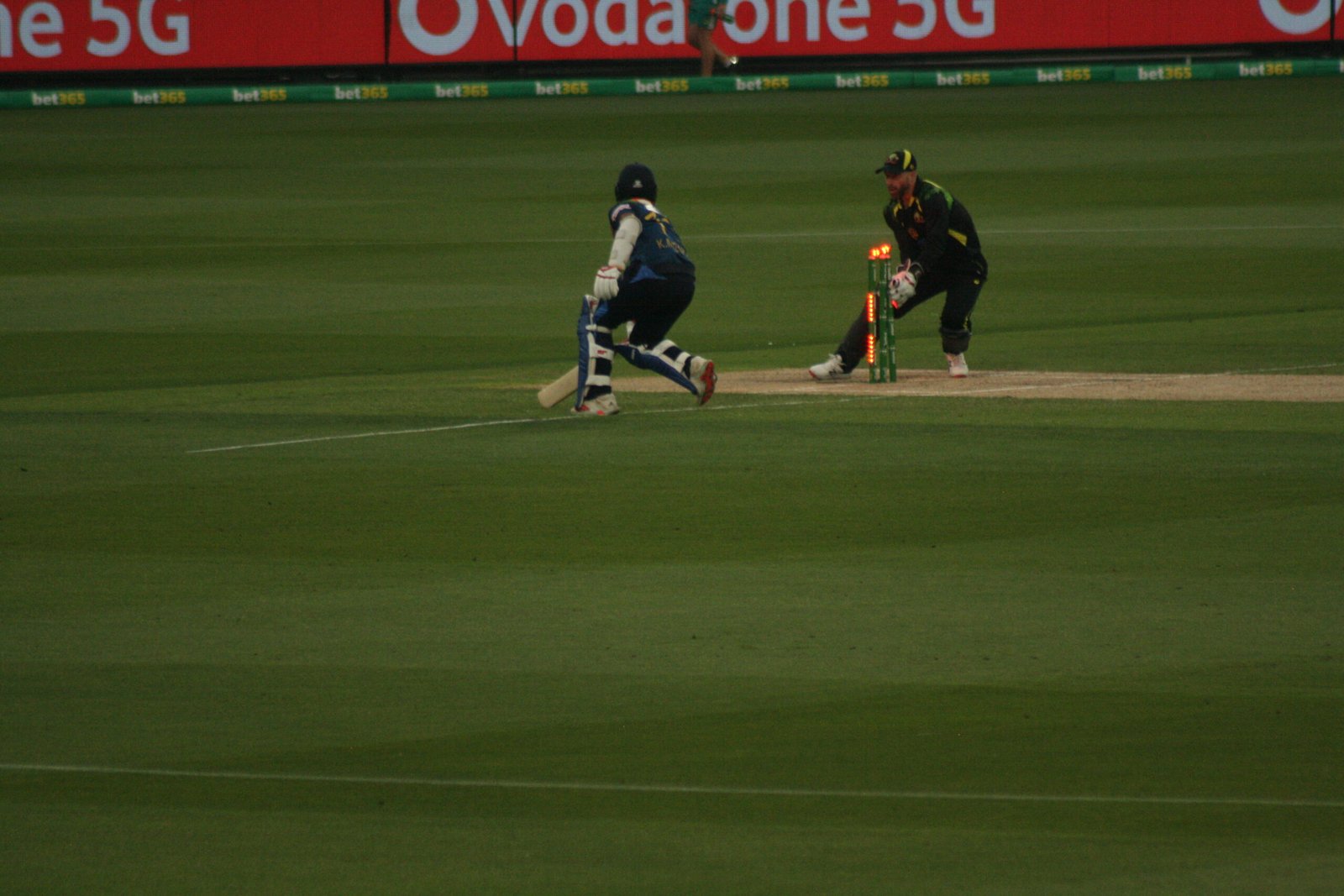
There will be no hearings and no appeals. Shaheen Afridi Kusal Mendis — the two captains at the centre of the case — both pleaded guilty to the over-rate charges and accepted the sanctions proposed by match referee Jeff Crowe, closing the matter within a day of the announcement.
Over-rate calculations come from official match timings and leave little room for dispute, which is why guilty pleas are the norm. Still, the swift acceptance shows both camps take discipline seriously in a series doubling as World Cup preparation — the ICC fines Pakistan Sri Lanka here as a warning to every team in the tournament.
Match Recap: Pakistan’s 37-Run Win Over Sri Lanka

The fines overshadowed an entertaining start to the Pakistan ODI tri-series — a reminder of why the ICC fines Pakistan Sri Lanka whenever over-rates slip. After Kusal Mendis elected to field, Pakistan posted 305 all out in 49.5 overs, powered by Salman Ali Agha’s superb 107 off 90 balls — his fourth ODI hundred and the Player of the Match performance, as Geo Super’s report on the opener detailed.
Babar Azam made 45, debutant Saad Baig a promising 39 and Hasan Nawaz 37, while Eshan Malinga took 4 for 46 and Asitha Fernando three wickets for Sri Lanka. Salman Agha’s century powered Pakistan to a 37-run win over Sri Lanka as the visitors were bowled out for 268 chasing 306.
What the Fines Mean for the Rest of the Tri-Series
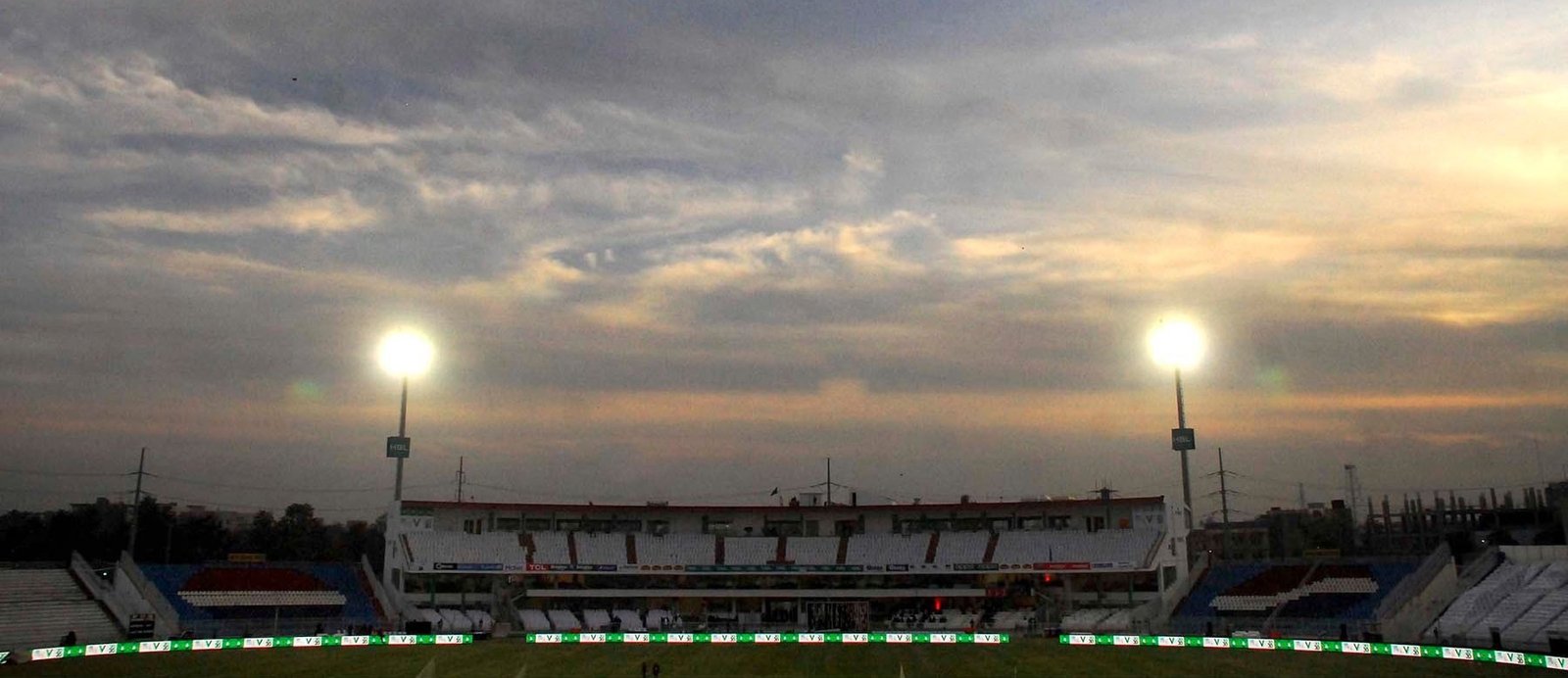
The timing matters: with the ICC fines Pakistan Sri Lanka ruling landing just a day after the opener, Pakistan meet England on Tuesday, also in Rawalpindi, and with the teams playing each other twice before the final in Lahore on 31 October, over-rate discipline could become a running theme. A second breach would invite closer scrutiny, and repeated offences under the ICC code can escalate beyond financial penalties.
For Pakistan, the 10 per cent fine is a minor blemish on a perfect start, but the bowling innings must be tightened before the England game. Babar Azam’s 45 also carried him past 16,000 international runs — a milestone covered in our report on Babar Azam joining the elite 16,000-run club — and Pakistan will need him in full flow. Sri Lanka must regroup quickly: the five per cent fine — the lighter half of the ICC fines Pakistan Sri Lanka ruling — stings less than the defeat, but their bowlers must work through overs faster in the return fixtures.
Series Context: Building Toward Next Year’s World Cup

The tri-series, which also features England, is a build-up to next year’s 50-over World Cup, co-hosted by South Africa, Zimbabwe and Namibia. That longer horizon is why the ICC fines Pakistan Sri Lanka now rather than letting slow over-rates slide: habits formed in October will follow these teams into the World Cup year.
All three sides play each other twice before the top two meet in the Lahore final on 31 October. With dense scheduling and day matches in Rawalpindi’s October heat, rotating strike bowlers while keeping the over-rate up is a genuine tactical challenge — but one the ICC expects teams to solve.
The ICC fines Pakistan Sri Lanka for the Rawalpindi opener serve as an early reminder that officials will watch the clock as closely as the scoreboard. Pakistan take the points and the fine; Sri Lanka take the lessons and the smaller fine. Both will want only the points when the action resumes against England on Tuesday.
Related Posts
 SportsPakistan vs England 2nd ODI: England Win Toss and Bowl First in Historic Rawalpindi Clash
 SportsScott Boland’s 4-31 Rocks South Africa Before Bavuma-Jansen Fightback in Gqeberha Test
 SportsFakhar Zaman Warns of Mounting Pressure as Pakistan Target End to ICC Trophy Drought
 SportsPakistan at Hong Kong Sixes 2026: Schedule, Squad and Title Defence Plan
 SportsPakistan Beat India by Eight Wickets in Over-40 Cricket World Cup
 SportsFIFA World Cup 2026: Schedule, Teams and Key Dates
Most Popular
 How-ToPTA Tax Calculator 2026: Check Mobile Tax on Any Phone125 views
 Canada JobsTech Jobs in Canada: Roles, Salaries, and Skills Needed108 views
 TechnologyTecno Mobile Prices in Pakistan 2026: Spark, Camon and Pova Series Compared98 views
 BISPPunjab Driving License Scam Alert: Fake Websites & “Without Test” Fraud | UrduPro90 views
 ShowbizWomen’s Fashion in Pakistan 2026: Trends, Brands and Style Guide86 views
 BusinessTech Stocks Trillion Loss: $1 Trillion Wiped Out as Oil Hits $11075 views