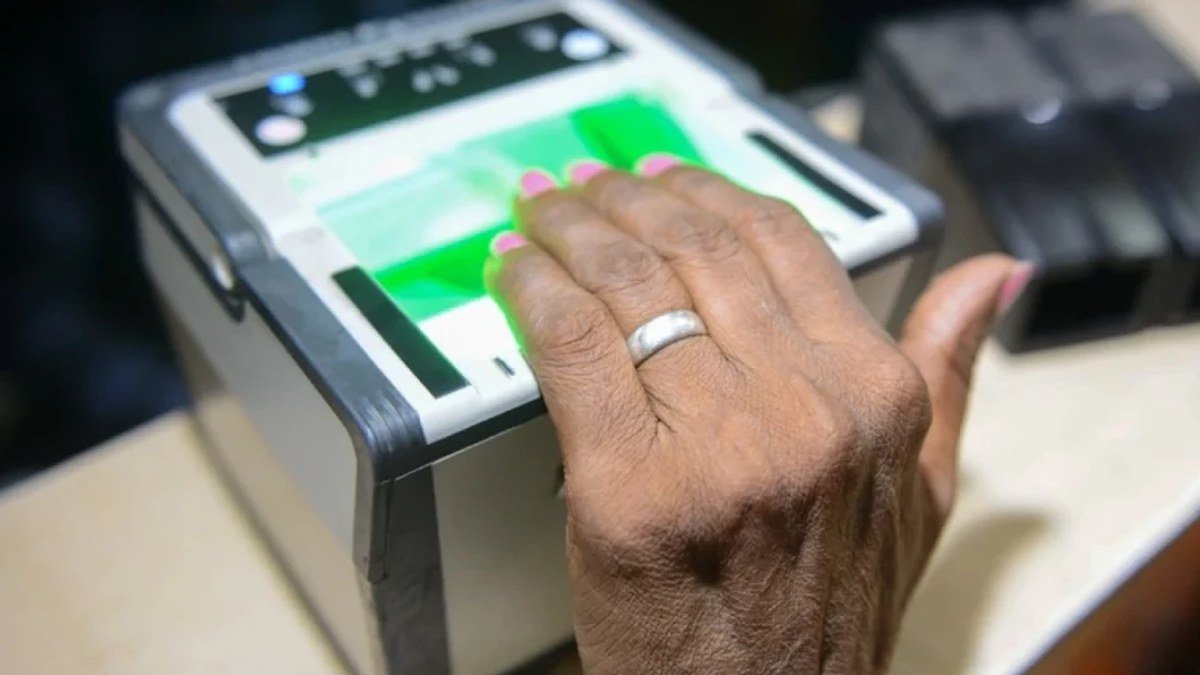
PMT Score Check 2026: What Your PMT Score BISP Status Means and the 32 Cut-off Explained
If you have ever typed your CNIC into the 8171 web portal and seen a small two-digit number labelled “PMT score,” you are looking at the single most important number in Pakistan’s social protection system. That number decides whether your family qualifies for BISP Kafalat — and yet millions of people do not know what it means, why the PMT score 32 cut off matters, or what to do if their score is too high.
In simple words: PMT score 32 ya is se kam hona BISP ke liye zaroori hai. This guide explains the PMT score BISP system from the ground up — what the score is, how the NSER survey calculates it, how to check PMT score 8171 online or by SMS, the myths that mislead people, and how your score can legitimately change. Read it once, and you will never be confused by that number again.
What Is the PMT Score BISP Uses? (Proxy Means Test Explained)
PMT stands for Proxy Means Test. It is a poverty-scoring method used by the Benazir Income Support Programme (BISP) to identify which households genuinely deserve financial support. Instead of relying only on what a family says about its income — which can be hard to verify — the PMT formula estimates a household’s welfare level from observable facts: household size, income, assets, education, housing quality, and dependents.
The PMT score BISP assigns runs on a scale from 0 to 100. Here is the part that confuses people most: a LOWER score means a POORER household. A family living in a mud house with no land, no vehicle, and six dependents might score 18 or 22. A middle-class family with a car and a brick house might score 45 or 50. The lower the number, the more deserving the household is considered — and the more likely it is to qualify for support.
Think of it like a poverty ranking: 0 is the most vulnerable, 100 is the most well-off. BISP draws a line at a specific point on this scale, and everyone below the line qualifies. That line is the cut-off, and understanding it is the key to understanding your eligibility.
PMT Score 32 Cut Off: Why This Number Decides BISP Kafalat Eligibility
The official BISP eligibility score cut-off for the Kafalat programme is 32. This means:
- Score of 32 or below → your household is considered eligible for BISP Kafalat, subject to final verification
- Score above 32 → your household does not qualify for BISP Kafalat under the current criteria
Why 32? The cut-off is set after analysing nationwide survey data to target the poorest segments of the population within the programme’s budget. It is a policy decision, reviewed from time to time, and the current widely-communicated cut-off is 32. A score of exactly 32 qualifies — the condition is “32 or below,” so being right on the line still counts.
It is important to understand that qualifying on the PMT score BISP cut-off is necessary but not always instantly sufficient: BISP also applies exclusion filters (for example, households with government employees, large landholders, or frequent international travellers may be screened out even with a low score). But without a score of 32 or below, the door to Kafalat payments does not open at all.
Another point worth clearing up: the cut-off is applied uniformly across Pakistan. Whether you live in Karachi, Lahore, Peshawar, Quetta, or a remote village in Balochistan, the PMT score BISP threshold is the same — 32. There is no separate quota or different cut-off by province, city, or tehsil. Rumours that “the cut-off is lower in Sindh” or “Punjab has a different score” are simply false. The formula and the line are national.
Finally, remember that the score describes your household, not you as an individual. The PMT calculation looks at everyone living under one roof and sharing expenses — the head of household, spouse, children, elderly parents, and any other dependents. A single person’s income does not define the score; the whole household’s combined picture does. This is why the survey asks about every family member, and why leaving someone out of the survey can skew your result.
Roman Urdu mein yaad rakhein: agar aapka PMT score 32 se zyada hai to aap BISP Kafalat ke liye ahel nahi hain; agar 32 ya kam hai to aap ahel ho sakte hain.
How the NSER Survey PMT Score Is Calculated: The Factors That Move Your Number
Your PMT score BISP result is not guessed and it is not random. It is computed from the data collected during the NSER (National Socio-Economic Registry) survey — the nationwide dynamic survey run at BISP tehsil offices and registration centres. Every household’s answers feed into the PMT formula, and the formula produces the score. The main factors include:
- Household size: Larger families with more dependents tend to score lower (poorer), all else equal.
- Monthly income: Lower reported household income pulls the score down.
- Assets: Owning a house, agricultural land, a vehicle, or other valuable assets pushes the score up.
- Education level: The education of the household head and members is a factor — higher education levels can raise the score.
- Housing conditions: The type of house (mud/kacha vs brick/pakka), number of rooms, and access to utilities all feed into the calculation.
- Number of dependents: Children, elderly members, and other non-earning dependents lower the score.
This is why BISP insists on the dynamic survey: your life circumstances change, so your data should change too. A family that had three children at the time of the old survey and now has five, or a household where the main earner has lost work, is a genuinely poorer household — and a fresh survey captures that. Jo log survey mein durust aur mukammal maloomat dete hain, un ka PMT score un ki asal haalat ki sahi numaindagi karta hai.
One caution that matters enormously: giving wrong information in the survey can disqualify you. BISP cross-checks data against other records. If a family hides a car, a plot, or a government job and the discrepancy is discovered, the household can be blocked from the programme. Honesty is not just moral advice here — it is the safest strategy for keeping your eligibility.
It also helps to know how the dynamic survey differs from the older one-time surveys of the past. In earlier years, BISP ran large door-to-door survey rounds every few years, and your score stayed frozen between rounds — even if your life changed dramatically. The dynamic survey model replaced that with continuous registration: tehsil offices and designated centres now accept surveys and re-surveys on an ongoing basis. Your record is a living file, not a snapshot from five years ago.
Practically speaking, this means two things for your PMT score BISP result. First, if you have never been surveyed — for example, a newly formed household after marriage — you can walk in and get surveyed for the first time. Second, if your old score no longer matches your reality, you do not have to wait for a “new survey round” to be announced in your district; the re-survey channel is open. Many people with scores in the high 30s who were surveyed years ago during better times have brought their scores down legitimately by documenting changed circumstances: a closed shop, a disabled earner, grown children who moved out, or a sold vehicle.
When you go for the survey, bring your original CNIC and the CNICs or B-forms of household members if available. The enumerator will ask detailed questions — answer patiently and completely. Rushing through, skipping questions, or guessing at numbers (like monthly expenses) produces a score that does not reflect your real household, and a wrong score is much harder to fix than a slow first survey.
How to Check PMT Score 8171: 3 Ways to Find Your Score
There are three practical ways to learn your PMT score BISP result. All of them require your CNIC — and none of them require you to pay anyone a fee.
1. Check on the 8171 Web Portal
Visit the official 8171 web portal, enter your 13-digit CNIC number, complete the verification step, and submit. The portal shows your eligibility status for BISP programmes. In many cases the portal displays whether you are eligible or not; if it shows “eligible,” your underlying PMT score BISP figure is at or below the 32 cut-off.
2. Check by SMS
Send your CNIC number (without dashes) by SMS to 8171. You will receive a reply with your eligibility status. This method is free of charge and works on any mobile phone, which makes it the most accessible option for people without internet access. CNIC bhej kar 8171 par SMS karein aur apni ahliaat ki maloomat hasil karein.
3. Visit the Nearest BISP Tehsil Office
Walk into your nearest BISP tehsil office or registration centre with your original CNIC. Staff there can look up your record, confirm your PMT score BISP status, and — most importantly — register you for a re-survey if your household circumstances have changed since your last survey. This is the only official route if the portal or SMS gives you an unexpected result and you believe your data is outdated.
A critical safety note: never share your CNIC number on unofficial websites, social media pages, or WhatsApp groups. Fake “BISP check” pages collect CNIC numbers for fraud. Use only the official 8171 portal, the 8171 SMS service, or a BISP office. We will never ask for your CNIC on this site, and any page that does is not legitimate.
Can Your PMT Score Change? Re-Survey Rules Explained
Yes — your PMT score BISP result can change, but only through legitimate channels. The score is tied to your household’s survey data, so when the data changes, the score follows. Common situations that can lead to a changed score:
- Household changes: A new baby, a death in the family, a divorce, or a marriage changes household size and dependents.
- Income changes: Job loss, business closure, disability, or a new source of income alters the household’s economic position.
- Completing the dynamic survey: If you were surveyed years ago under old circumstances — or if your previous survey was incomplete — completing the current NSER dynamic survey with accurate, complete information produces a fresh score that reflects your real situation.
What does not change your score: calling the BISP helpline to “request” a lower number, paying an agent or middleman, filing repeated online complaints without new survey data, or registering with a different CNIC. None of these touch the formula. Apna score kam karwane ke liye kisi agent ko paise na dein — score sirf naye survey se badalta hai.
If your circumstances have genuinely worsened since your last survey, the correct step is simple: visit your BISP tehsil office and ask for a re-survey under the dynamic survey programme. Bring your CNIC and any supporting documents (for example, proof of household members). Answer every question truthfully and completely — an incomplete survey is one of the most common reasons scores come out higher than they should.
PMT Score and Payment: How Eligibility Turns Into Quarterly Kafalat Amounts
The link between your PMT score BISP result and the money is direct: only households scoring 32 or below (and passing BISP’s exclusion filters) receive the quarterly Kafalat payment. The score is the gatekeeper; the payment follows eligibility.
Once a household is marked eligible, it is enrolled in the Kafalat programme and becomes entitled to the quarterly disbursement announced by BISP for that cycle. Payments are collected through BISP’s official payment channels — bank agents, designated retailers, and camp sites during disbursement phases — with biometric verification at the point of payment.
It is worth understanding the sequence, because many people confuse the steps. First comes the survey, which generates your PMT score BISP figure. Then comes eligibility determination, where BISP applies the 32 cut-off and the exclusion filters. Then comes enrolment, where eligible households are added to the Kafalat beneficiary list for upcoming payment cycles. Only then do payments begin. A low score does not mean money arrives the next day — each stage takes processing time, and payment cycles run quarterly, so patience between stages is normal.
There is one more scenario people ask about: what happens if your score rises above 32 in a later re-survey? BISP’s dynamic registry means records are updated over time, and a household whose economic position has genuinely improved may be re-scored above the cut-off and exited from future payments. This is by design — the programme is meant to keep support flowing to those who need it most. If you believe a re-score was based on wrong data, you can raise the issue at the BISP tehsil office and request a review of your survey record.
A few things eligible families should keep in mind:
- Eligibility is not a one-time stamp. BISP periodically updates records, and households whose circumstances improve may be re-scored in later survey rounds.
- If your payment is delayed or missing for a cycle, check your status on the 8171 portal first, then visit the BISP office — do not rely on rumours in WhatsApp groups about payment dates.
- Keep your registered mobile number updated with BISP, because payment and survey notifications go to the number on record.
Jo gharane 32 ya kam score ke saath ahel hain, wahi sah-maahi Kafalat raqam ke haqdar hain. The score decides eligibility; eligibility decides the payment.
Common Myths About the PMT Score BISP — Debunked
Misinformation about the PMT score circulates widely on social media and in local communities. Here are the most common myths, corrected:
Myth 1: “The score is random or drawn by lottery.” False. The PMT score BISP assigns is calculated by a fixed formula from your NSER survey data. Two households with identical survey answers get identical scores.
Myth 2: “Calling the helpline can lower your score.” False. The helpline provides information and registers complaints; it has no mechanism to edit survey data or recalculate scores. Only a new survey changes your score.
Myth 3: “An agent can fix my score for a fee.” False — and dangerous. Anyone demanding money to “fix” a PMT score is running a scam. Report such people to BISP.
Myth 4: “A high score means the government has rejected me forever.” Not necessarily. If your circumstances have changed since your survey, a re-survey can produce a new, lower score. The door is not permanently closed.
Myth 5: “Refusing to answer some survey questions is safer.” False. Incomplete or evasive answers can distort your score and, if contradicted by other records, can lead to disqualification. Answer fully and honestly.
Myth 6: “Everyone in my village got the same score.” Unlikely. Even neighbours differ in household size, income, assets, and housing — and each difference moves the score. Identical scores across a whole village would suggest data problems, not a policy.
Quick Checklist: What to Do After Reading Your PMT Score BISP Result
To put all of this into action, here is a simple checklist. If your PMT score BISP result is 32 or below, confirm your enrolment status on the 8171 portal and make sure your registered mobile number is active so you receive payment notifications. If your score is above 32 and your circumstances have changed since your last survey, visit the BISP tehsil office for a re-survey with your CNIC and household documents. In both cases, ignore anyone offering to “fix” your score for money, never share your CNIC on unofficial sites, and answer every survey question honestly.
The PMT system exists for one reason: to make sure limited public money reaches the poorest households first. Apna PMT score samajhna, waqt par survey karwana, aur durust maloomat dena — yehi teen kaam aap ki ahliaat ki hifazat karte hain. Keep this guide bookmarked, share it with family members who are confused by their scores, and always verify payment news through the official 8171 channels before acting on it.
Frequently Asked Questions
What is the PMT score cut-off for BISP Kafalat in 2026?
The cut-off is 32. A PMT score BISP result of 32 or below qualifies a household for Kafalat (subject to exclusion filters); a score above 32 means the household is not eligible under current criteria.
How can I check my PMT score using my CNIC?
Enter your CNIC on the official 8171 web portal, or send your CNIC number by SMS to 8171. Both show your eligibility status. For the exact score figure and re-survey options, visit your nearest BISP tehsil office with your original CNIC.
Does a lower PMT score mean I am poorer?
Yes. The PMT scale runs 0–100, and a lower number indicates a poorer, more vulnerable household. That is why the cut-off is at the low end of the scale: BISP targets support at the poorest households.
My score is above 32. Can I become eligible?
Possibly. If your household circumstances have changed since your last survey — more dependents, lost income, or incomplete earlier data — request a re-survey at your BISP tehsil office under the dynamic survey. A fresh, accurate survey can produce a new score. No one can lower your score by phone or for a fee.
Is the 8171 SMS check free?
Yes. Sending your CNIC to 8171 to check your BISP eligibility status is free of charge, and the reply costs you nothing. Never pay anyone for a “check” service.
Can wrong information in the NSER survey disqualify me?
Yes. BISP cross-verifies survey data with other official records. Concealing assets, income, or household facts can lead to disqualification or blocking from the programme. Always give complete, truthful answers in the survey.
Do I need to re-check my PMT score every year?
Not on a fixed schedule, but it is wise to check your status if your circumstances change or if you hear that a new survey round is underway in your area. BISP’s dynamic survey is ongoing, so newly collected data can update your record.
What documents should I carry for the NSER dynamic survey?
Carry your original CNIC, and if possible the CNICs of adult household members and B-forms of children. Having the documents ready makes the survey faster and more accurate, which protects your PMT score BISP result from data errors.
Someone is asking for money to lower my PMT score. What should I do?
Do not pay. No person — agent, middleman, or anyone claiming BISP connections — can change your score for a fee. The score changes only through an official re-survey. Report the demand to BISP through its official complaint channels.
Disclaimer: UrduPro is an independent news portal and is not affiliated with the Benazir Income Support Programme or the Government of Pakistan. For official information, eligibility checks, and survey registration, please use the official BISP portal at https://www.bisp.gov.pk or the 8171 SMS service. Do not share your CNIC number on this website or with any unofficial page or agent.
Related Posts
 BISPBISP Payment Not Received? 12-Step Diagnostic Guide (2026) | UrduPro
 BISPBISP Rs 18,000 January 2027: Confirmed Payment Increase for Benazir Kafalat Beneficiaries
 BISP8171 Error 938 Fingerprint: Complete Biometric Fix Guide (2026)
 BISPMTMIS Punjab Vehicle Verification Online 2026: Complete Guide | UrduPro
 BISPDriving License Online Punjab 2026: Dastak App Complete Guide | UrduPro
 BISPPunjab Driving License Scam Alert: Fake Websites & “Without Test” Fraud | UrduPro
Most Popular
BISPPunjab Driving License Scam Alert: Fake Websites & “Without Test” Fraud | UrduPro54 views BusinessTech Stocks Trillion Loss: $1 Trillion Wiped Out as Oil Hits $11043 views
 How-ToPTA Tax Calculator 2026: Check Mobile Tax on Any Phone28 views
 Canada JobsTech Jobs in Canada: Roles, Salaries, and Skills Needed26 views
 TechnologyTecno Mobile Prices in Pakistan 2026: Spark, Camon and Pova Series Compared22 views
 How-ToNADRA Online Services 2026: Apply for CNIC, B-Form and More17 views