Trump Russia Sanctions Waiver: What the Graham Act Order Changes
US President Donald Trump has signed an executive order issuing a Trump Russia sanctions waiver that pauses sweeping tariffs and sanctions created under the Lindsey O. Graham Sanctioning Russia and Iran Act of 2026, just days before the measures were due to take effect. The move halts duties of up to 500 percent on Russian goods and up to 100 percent on imports from the largest buyers of Russian oil and gas, while keeping the underlying law on the books.
The White House submitted a formal certification to Congress stating that the Trump Russia sanctions waiver is in the national interest of the United States, as required by Section 115 of the act. The waiver has no fixed end date and stays in force until the president, or designated cabinet officials, decide further action is appropriate.
Trump Russia Sanctions Waiver Blocks Steep Tariffs Days Before Deadline
The Graham Act, signed on 18 September 2026, required the administration to impose the trade measures by 18 October 2026. Under the law, goods from Russia would have faced a duty increase of 500 percent, while goods from the five largest importers of Russian crude oil and natural gas would have faced a 100 percent increase if those countries knowingly made new purchases of Russian energy on or after the deadline. A similar 100 percent duty would have applied to the top five facilitators of Russian oil sanctions evasion.
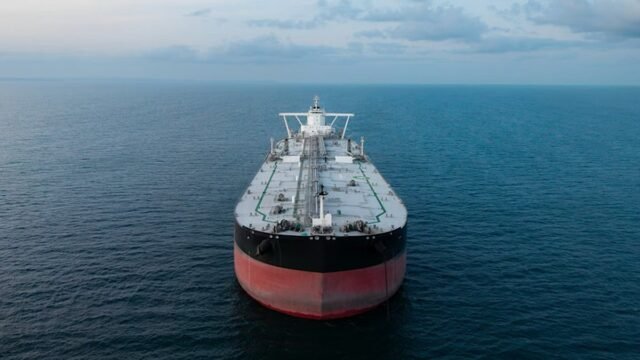
Section 4 of the executive order waives the duties provided for in sections 112 and 113 of the act, along with a long list of sanctions provisions, including sections 102, 103, 104 and 117. According to reporting on the order, statutory sanctions on senior Kremlin officials, defence and banking institutions, and Russia’s so-called shadow fleet of tankers were also paused. The Trump Russia sanctions waiver therefore suspends nearly the entire enforcement apparatus of the new law while it remains in effect.
China and India, two of the largest buyers of Russian crude, had expressed concern about the legislation. Beijing opposed the extraterritorial application of US jurisdiction, while New Delhi warned the tariffs could strain bilateral relations. Analysts noted that imposing the duties could have further increased global energy prices at a sensitive moment.
Why the Administration Says the Waiver Serves the National Interest
The White House has given no detailed public explanation beyond the national-interest certification. Press reporting, including from Bloomberg and CNBC, attributes the decision to pressure over domestic fuel costs: diesel prices in the United States are near record highs, and the waiver follows a separate arrangement under which Washington eased sanctions on Russian diesel exports in exchange for Moscow supplying diesel to global markets. Treasury’s General Licence No. 135 had already permitted certain Russian diesel transactions.
The timing is also politically significant, with US midterm elections scheduled for 3 November 2026. Lowering fuel prices ahead of the vote is widely seen as a priority for the administration. The Trump Russia sanctions waiver avoids an immediate clash with major energy buyers such as China, India and Turkey, whose goods would otherwise have faced the secondary tariffs.
Kirill Dmitriev, the Russian president’s investment envoy, welcomed the waiver and described it as a development that could preserve economic cooperation between Moscow and Washington. The Kremlin has not issued a formal statement on the order itself.
Bipartisan Criticism of the Trump Russia Sanctions Waiver
Lawmakers from both parties criticised the decision. Democratic Representative Don Beyer said the waiver betrayed US partners, while Republican Representative Don Bacon argued the president was prolonging the conflict rather than ending it. A bipartisan group of senators had earlier written to the administration demanding enforcement of the act and the rescission of the diesel arrangement with Moscow.
Critics argue that Russian energy revenues help finance the war in Ukraine and that pausing the sanctions weakens US leverage. Supporters of the waiver counter that the measures would have raised costs for American consumers and damaged relations with key trading partners without guaranteeing changes in Russian behaviour.
Meanwhile, European leaders meeting at a Brussels summit were advancing the bloc’s 22nd sanctions package against Russia, underscoring a growing divergence between Washington and Brussels on the pace of economic pressure.
What Stays in Place Under the Order
Importantly, the Trump Russia sanctions waiver does not repeal the Graham Act. The tariffs and sanctions remain on the books but are not being applied. The order also preserves earlier Russia sanctions: nothing in it affects measures under previous executive orders on harmful foreign activities of the Russian government, including the national emergency continued in March 2026. Individuals and entities sanctioned under those older orders remain sanctioned.
The order also keeps a monitoring system running. The US Trade Representative, working with the secretaries of state, the Treasury and energy, must track which countries buy Russian crude oil and natural gas, watch for sanctions evasion, and report back to the president, including on whether the waivers should be changed. The administration retains full authority to reinstate the Graham Act measures at any time.
For global energy markets, the immediate effect is continuity: Russian oil and diesel continue to flow, and the threatened secondary tariffs on buyers such as China and India are on hold. Whether that pause becomes permanent will depend on fuel prices, diplomacy and the political calendar in the months ahead.
Frequently Asked Questions
What is the Trump Russia sanctions waiver?
It is an executive order signed on 16 October 2026 that pauses the tariffs and sanctions created by the Lindsey O. Graham Sanctioning Russia and Iran Act of 2026, on national-interest grounds certified to Congress under Section 115 of the act.
What tariffs did the waiver block?
The waiver blocked a 500 percent duty increase on goods from Russia and 100 percent duties on goods from the five largest importers of Russian oil and gas, as well as the top five facilitators of sanctions evasion.
Does the waiver cancel the Graham Act?
No. The law remains in force; only its application is paused. Earlier Russia sanctions under separate executive orders are unaffected, and the administration can reinstate the measures at any time.
Why did the administration issue the waiver?
The White House cited the national interest without further detail. Press reporting points to high domestic diesel prices, the midterm elections on 3 November 2026, and a desire to avoid trade clashes with major Russian energy buyers such as China and India.