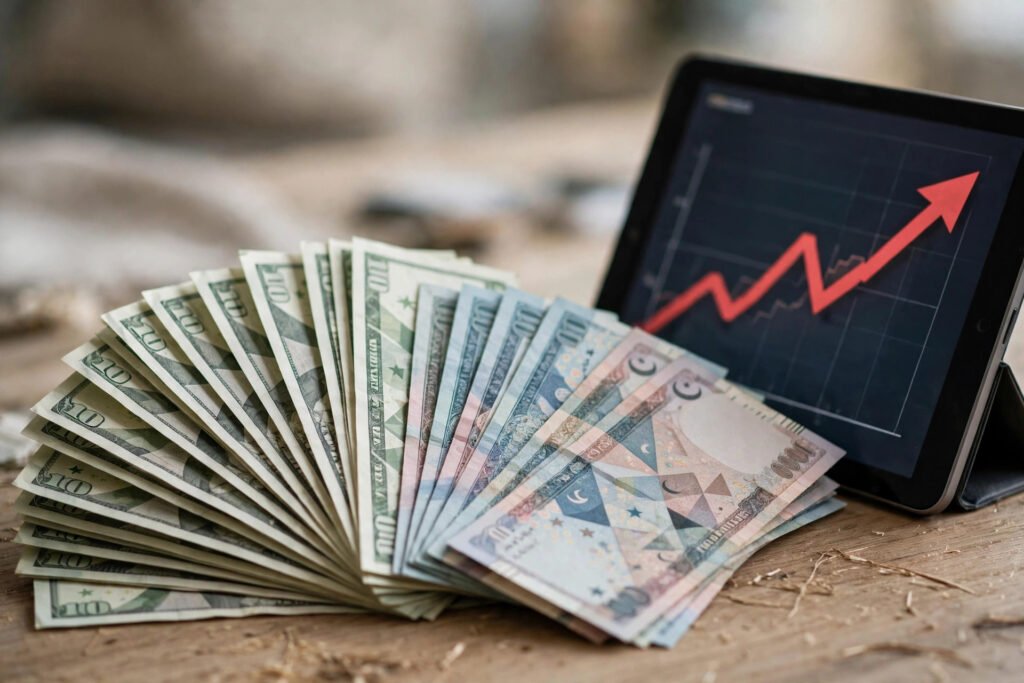
US CPI Inflation: What It Means for Pakistan
US Inflation Report (CPI): What It Means for Dollar and Petrol Prices in Pakistan
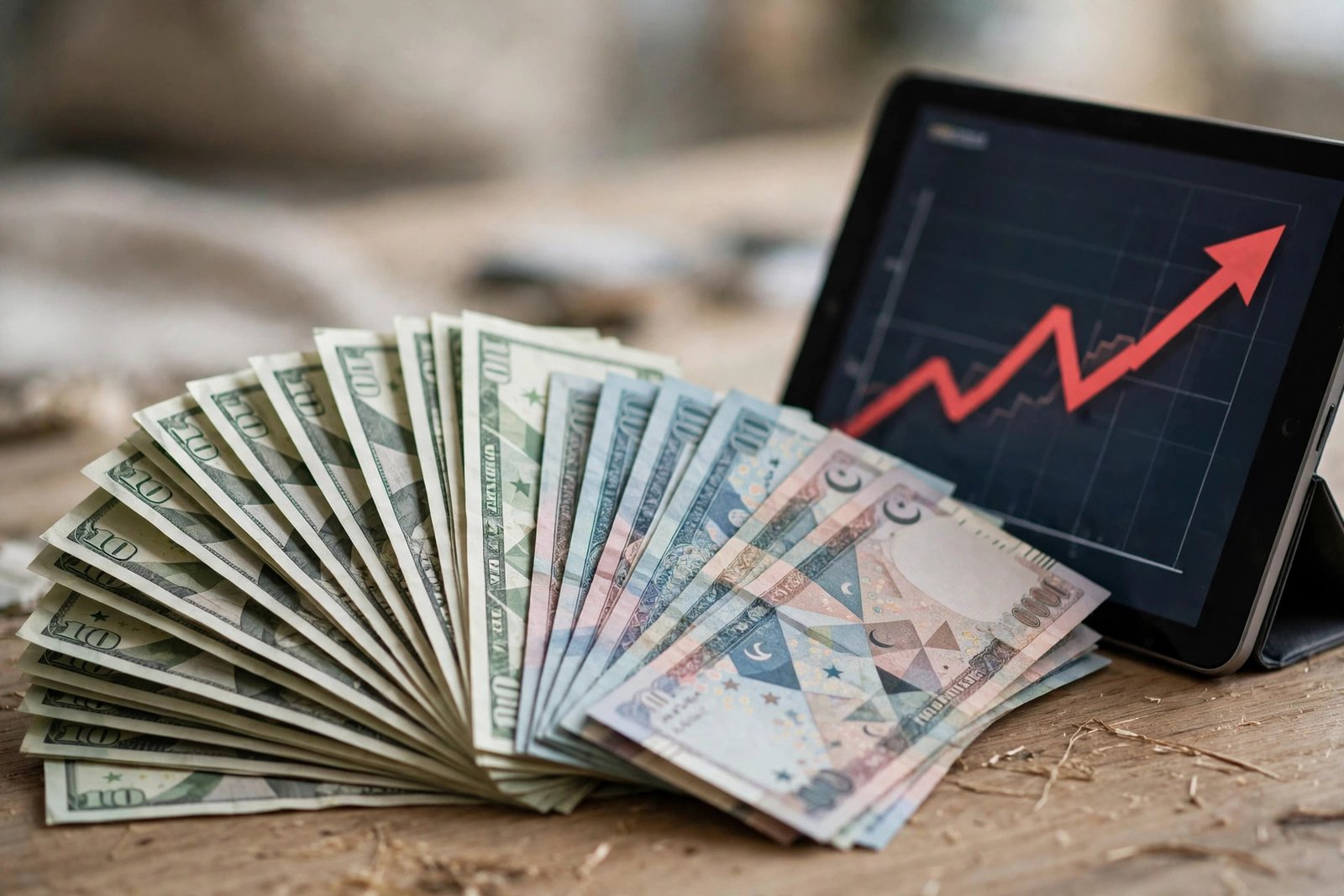
Every month, one American data release moves markets from New York to Karachi: the US CPI inflation report. But why should someone in Lahore or Faisalabad care about US inflation numbers? Because they move the dollar, oil prices and gold — the three forces that shape Pakistan’s economy. Here is how it all connects.
US CPI Inflation: What Is CPI?
The Consumer Price Index measures how the prices of everyday goods and services change over time in the United States — groceries, rent, fuel, healthcare. It is America’s main inflation gauge, released monthly by the Bureau of Labor Statistics. When CPI comes in higher than expected, it means US inflation is running hot; lower than expected means it is cooling. Markets react within minutes because the number shapes what the US Federal Reserve does next with interest rates.
From US Inflation to the Dollar
The chain reaction works like this: hot US inflation usually means the Federal Reserve keeps interest rates higher for longer. Higher US rates make dollar assets more attractive to global investors, which strengthens the dollar against currencies like the rupee. A stronger dollar means Pakistan pays more rupees for every dollar of imports — and Pakistan imports a lot, from fuel to machinery to edible oil. So a single CPI print in Washington can, within days, nudge the dollar-to-rupee rate you see on the news. Track the daily movement on our currency rates page and our dollar rate update.
What It Means for Petrol Prices in Pakistan
Oil is priced in dollars globally. When the dollar strengthens after a hot CPI report, oil becomes more expensive in rupee terms even if the per-barrel price hasn’t moved. Pakistan’s fortnightly petrol price revision then reflects that pressure. Conversely, if US inflation cools and the Fed signals rate cuts, the dollar typically softens — easing pressure on Pakistan’s import bill and, eventually, on petrol prices. The effect isn’t instant, but the direction of travel starts with CPI day.
Gold, Stocks and the Rest
The same mechanism touches gold rates: a strong dollar usually pressures international gold prices down, but a weaker rupee can keep local gold prices high anyway — Pakistani buyers often get the worst of both worlds. For the stock market, hot US inflation tends to rattle emerging markets like the PSX as foreign investors pull back toward dollar assets. Understanding this one report helps you read half the business headlines.
How to Follow CPI Day
- Know the schedule: US CPI is released monthly, usually mid-month — financial calendars list the exact date.
- Watch expectations vs actual: Markets move on the surprise, not just the number. “Higher than expected” and “lower than expected” are the phrases that matter.
- Follow the Fed’s response: The real impact comes from what the inflation number implies for US interest rate decisions.
- Connect it home: After each release, check the dollar rate, petrol price outlook and gold trend in Pakistan — the transmission takes days, not minutes.
Bottom line: US inflation feels distant, but its fingerprints are on your petrol bill, your electricity costs and the dollar rate. Watching CPI day is one of the simplest ways to understand where Pakistan’s prices are headed next.