Water Neutral Data Centers: Tech Giants Race to Cool AI Sustainably
Tech giants are accelerating pledges toward water-neutral data center cooling, committing to replenish more water than their facilities consume, as the artificial intelligence boom draws intensifying scrutiny over its environmental footprint. The water neutral data centers push addresses one of AI’s least-discussed costs: the vast quantities of water needed to cool the chips training and running today’s models.
A single large data center can consume millions of litres of water per day — comparable to a small town — mostly evaporated in cooling towers. As AI data centers multiply to meet surging demand, including three shuttered US nuclear plants being restarted to power them, communities and regulators are asking hard questions about who gets the water.
Why AI Data Centers Are So Thirsty
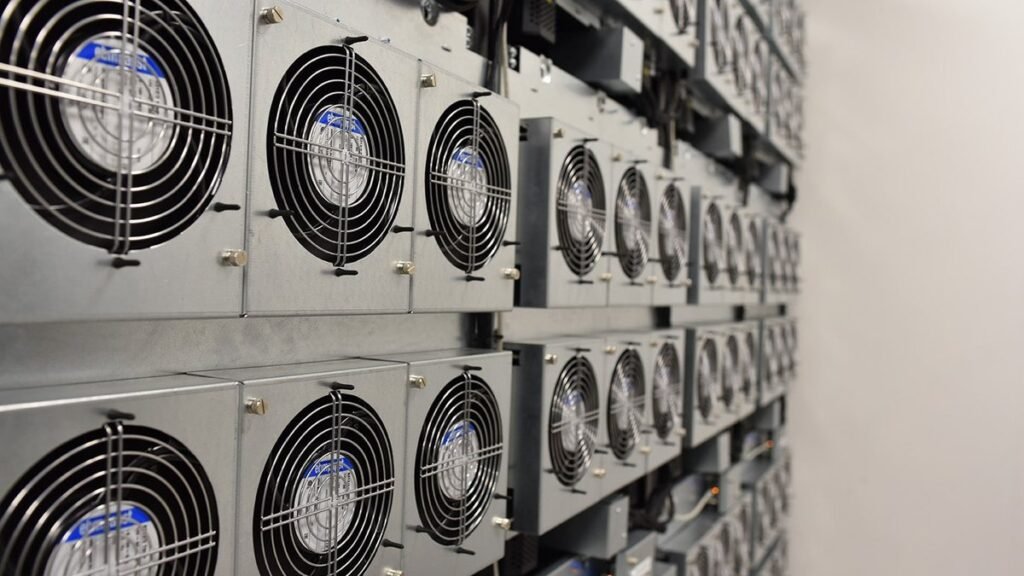
Modern AI chips generate enormous heat. A single Nvidia GPU server rack can draw tens of kilowatts; a hyperscale AI data center houses thousands of such racks. Keeping them within operating temperatures requires continuous cooling, and the cheapest, most established method — evaporative cooling — consumes water by design: it is literally boiled off into the atmosphere.
The water neutral data centers pledges respond to a collision between two trends: AI infrastructure expanding at historic speed, and water stress intensifying in many of the sunny, cheap-land regions where data centers are built. In drought-prone areas, a new data center can become a political flashpoint overnight.
What “Water Neutral” Actually Means
Water neutral data centers commitments generally mean the operator funds water restoration projects — watershed protection, wetland restoration, efficient irrigation — sufficient to offset the facility’s consumption in the same basin. It is analogous to carbon offsetting, and it inherits the same debates: supporters call it pragmatic, critics call it accounting.
The stronger versions of these pledges include absolute reductions: shifting to closed-loop cooling that recirculates water instead of evaporating it, using reclaimed wastewater rather than potable supplies, and siting new facilities where water is genuinely abundant. Tech leaders facing “hypocrisy” questions over AI data center energy demand are under pressure to show the water numbers improving, not just being offset.
The Technology of Low-Water Cooling
Several cooling technologies can dramatically cut water use. Closed-loop systems recirculate the same water, losing little to evaporation. Direct-to-chip liquid cooling — circulating coolant through cold plates mounted on processors — is far more efficient than cooling entire rooms of air, and is becoming standard in new AI facilities. Immersion cooling, which submerges servers in dielectric fluid, eliminates water use almost entirely but remains expensive and operationally complex.
Some operators are going further, siting data centers in cold climates where free air cooling works for much of the year, or co-locating with industrial facilities that can reuse waste heat. The water neutral data centers goal is most credible when paired with these engineering changes rather than relying on offsets alone.
Why It Matters Beyond Big Tech
For water-stressed regions — including large parts of Pakistan, where groundwater depletion is already a crisis — the data center water debate is a preview of coming infrastructure choices. Any country courting AI investment will eventually face the same questions: how much water, from where, and at what cost to other users?
The emerging consensus among sustainability experts is that transparency is the prerequisite: publish the water numbers, in the local watershed context, and let communities judge. Pledges toward water neutral data centers are a start, but the credibility will come from metered, audited reductions — not just promises.
Frequently Asked Questions
What are water neutral data centers?
Data centers whose operators commit to replenishing at least as much water as their facilities consume, typically by funding watershed restoration and efficiency projects in the same region — ideally combined with engineering that reduces consumption itself.
How much water does an AI data center use?
It varies widely by cooling technology and climate, but large facilities using evaporative cooling can consume millions of litres daily. Newer liquid-cooling designs use far less.
Which tech giants made pledges?
Multiple hyperscalers have announced water stewardship commitments in 2026, accelerating earlier sustainability pledges as AI data center expansion intensifies scrutiny from communities and regulators.
Is “water neutral” the same as using no water?
No. It typically means net-zero impact through a combination of reduced consumption and replenishment projects — critics argue the focus should be on absolute reductions first.