Panama Earthquake: What Happened and the Latest Updates
Panama Earthquake: What Happened and the Latest Updates
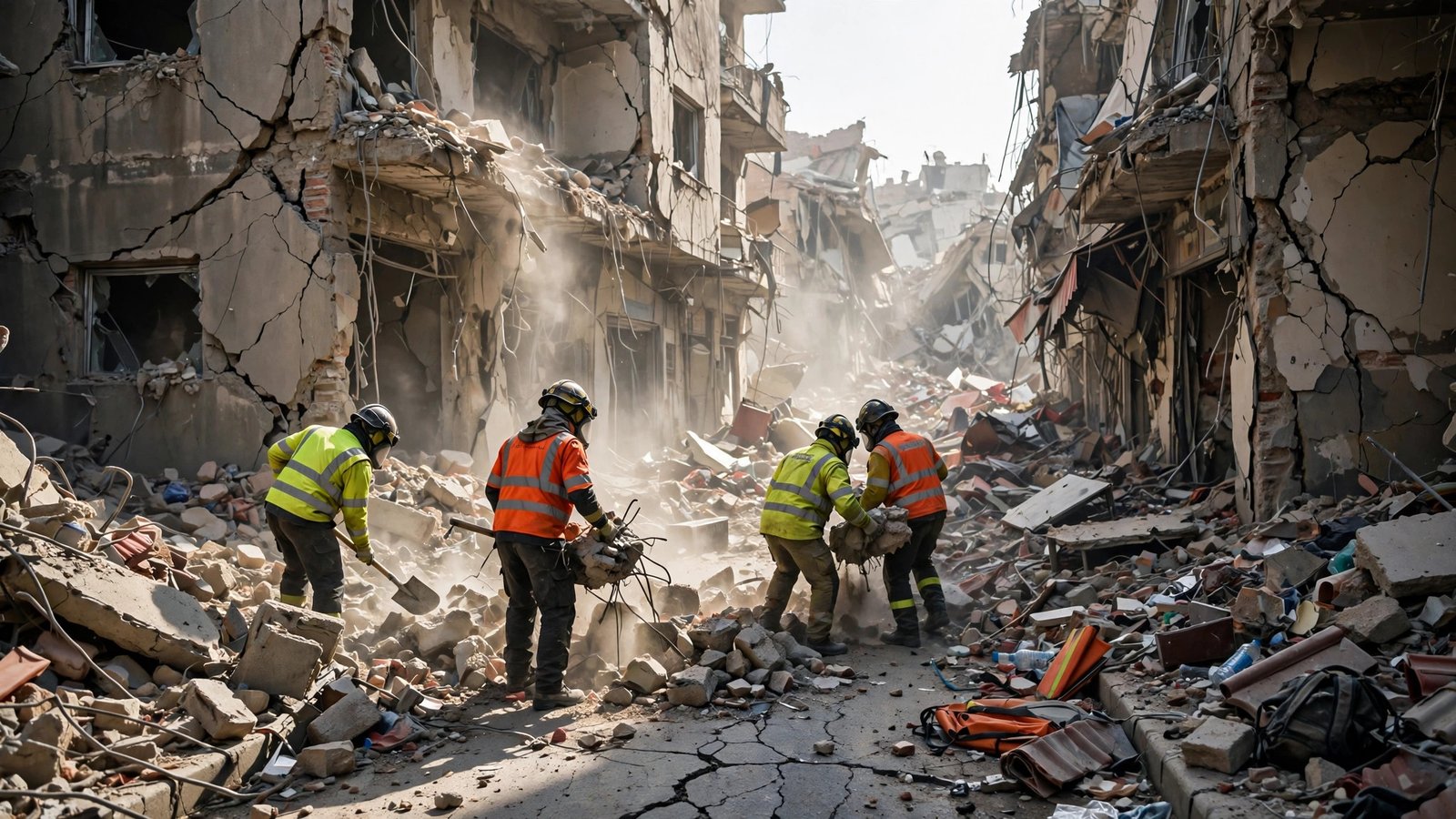
The Panama earthquake of 9 October 2026 was the strongest to hit the country in over a century — a magnitude 7.6 tremor centred in the central province of Veraguas that damaged more than a thousand homes, hundreds of schools and health facilities, and triggered hundreds of aftershocks. Remarkably, officials report no deaths. Here is what happened, the latest damage assessment, and how the relief effort is unfolding.
Panama Earthquake: The Key Facts
- When: 9 October 2026, at 12:56 p.m. local time.
- Magnitude: 7.6 according to the University of Panama’s Institute of Geosciences (IGC-UP); the US Geological Survey puts it at 7.7.
- Epicentre: in Veraguas, 39 km north-west of Tonosí, near the border with Los Santos, at a shallow depth of about 4 km.
- Felt: strongly across central Panama — Herrera, Los Santos, Coclé and Veraguas — with tremors reaching Panama City, where buildings shook and people evacuated into the streets.
- Aftershocks: more than 350 recorded by 12 October, including several above magnitude 6.0; seismologists say they could continue for weeks.
Damage Assessment: Homes, Schools and Bridges
According to the government’s preliminary count as of 12 October, the earthquake affected some 1,250 homes, mostly in Los Santos, Veraguas, Coclé and Herrera. It damaged 16 bridges, churches and public buildings, 29 health facilities and 619 schools. Twenty-seven people were injured; there are no reports of deaths or missing people — an outcome officials and experts have called fortunate given the quake’s strength.
Soil type partly explains the damage pattern: towns like Chitré and Penonomé suffered more than some areas closer to the epicentre. Around 478,000 people live in zones that felt very strong shaking or stronger, according to the Pan American Health Organization. More than 800 people are in shelters, while many others are staying with relatives or sleeping outdoors for fear of aftershocks. Several hospitals are treating patients in tents.
Why It Was So Strong
The quake struck on a fault system that last produced a major event — a magnitude 6.9 — back in 1913, meaning stress had been accumulating for over a century. Its shallow depth amplified the shaking at the surface. The USGS’s PAGER system briefly flagged the event with a yellow alert for possible casualties and estimated significant economic losses, potentially 1 to 20 per cent of Panama’s GDP — though the zero-death toll has been the defining feature of the aftermath.
Government and International Response
On 10 October, the government declared a national state of emergency, allowing up to $100 million in relief funds to be allocated without breaching the 2026 fiscal deficit target. President José Raúl Mulino visited affected areas to deliver aid and ordered urgent repairs to roads and bridges. Classes were suspended nationwide on 12 October, and the third national emergency drill was called off.
International help is arriving: the United States pledged $5 million and is sending a 20-member team for rescue and infrastructure assessment, while UN agencies and partners have delivered tents, shelter items and health supplies. The Panama Canal — the country’s economic lifeline — said shipping operations were unaffected.
Ongoing challenges include access: the town of Tonosí lost water and electricity, the Pedasí–Tonosí road remains closed, and six communities in Los Santos and Herrera were still cut off as of the latest reports, with aid reaching some areas by air. Heavy rain forecast for the worst-hit zones could hamper the response further.
What Happens Next
The immediate priorities are shelter, restoring water and power, and assessing which of the 1,250 damaged homes need repair versus rebuilding. Engineers — including a dispatched international assessment team — are surveying bridges and public buildings. With aftershocks expected to continue for weeks, authorities are urging residents not to re-enter damaged structures. The Ministry of Education faces a major task: getting 619 affected schools safe and reopened.
This story is developing. The figures above come from the UN’s ReliefWeb situation report No. 3 (12 October 2026). Follow our World News section and our regional security coverage for further updates.