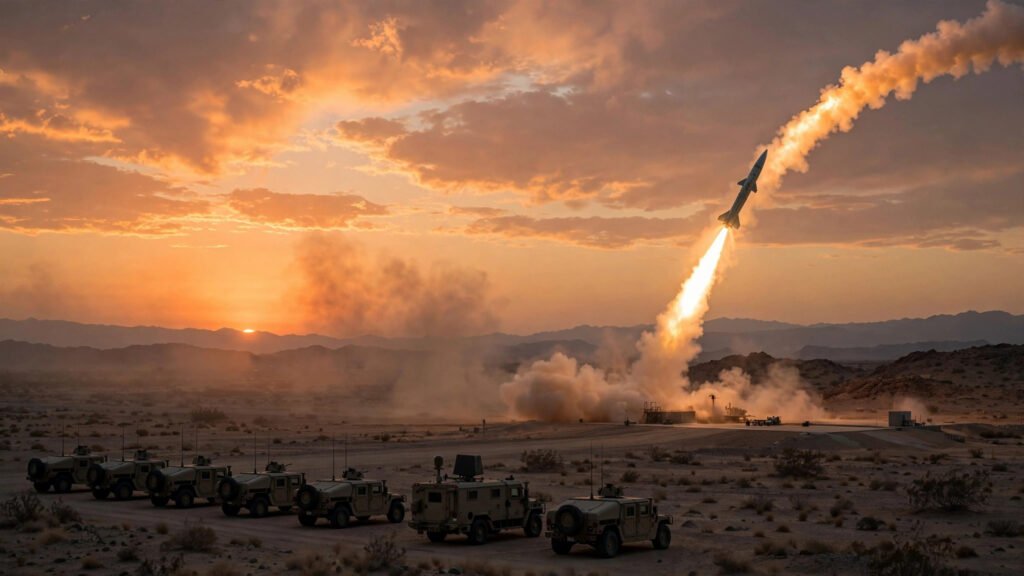
Pakistan Missile Test Fatah 2: What We Know
Pakistan Tests Fatah-2 ER Hypersonic Missile: What We Know
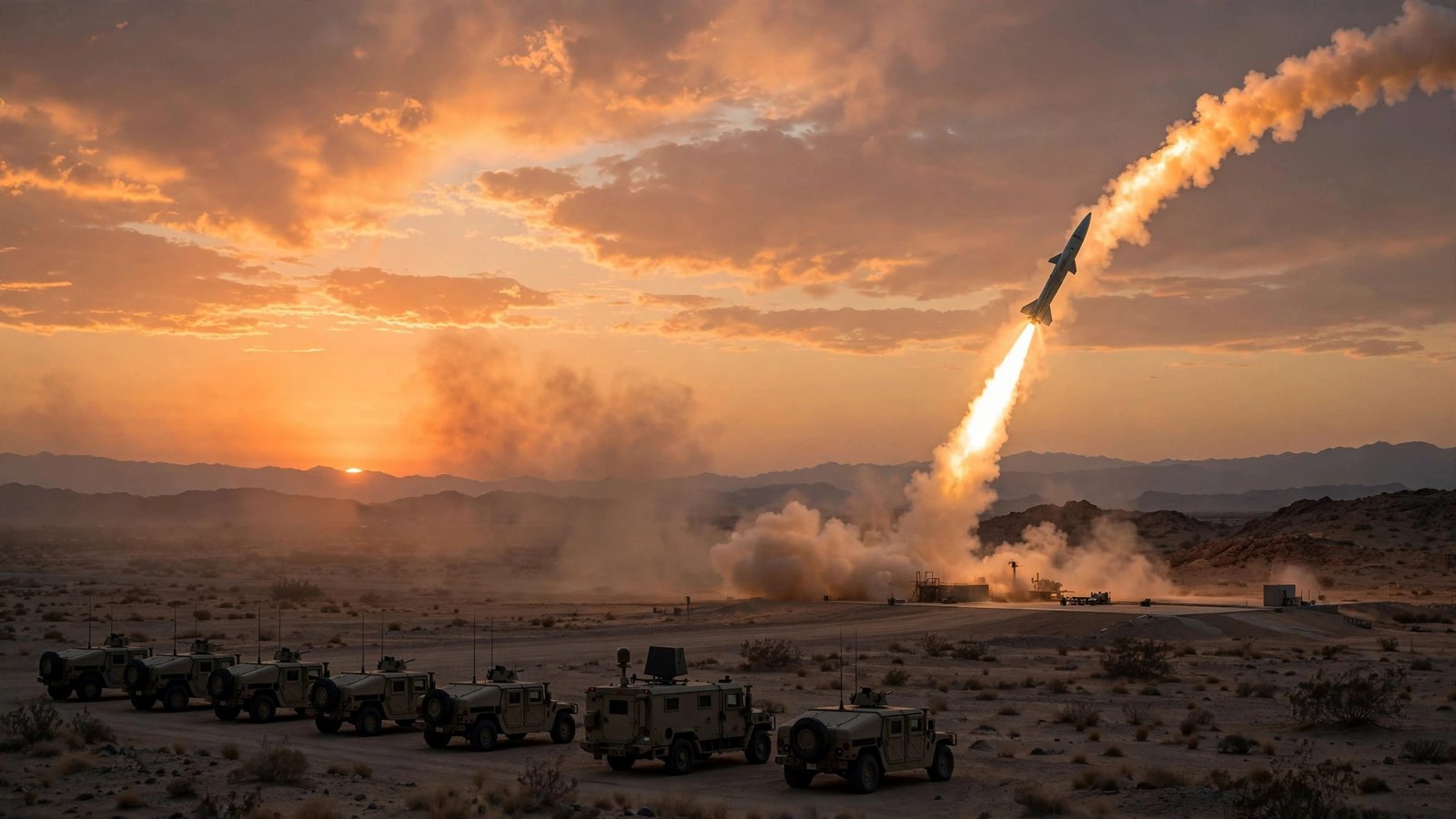
On 13 October 2026, the Pakistan Army successfully test-fired an extended-range variant of the Fatah-2 missile, officially designated the Fatah-2 ER. Inter-Services Public Relations (ISPR), the military’s media wing, termed the new system a “hypersonic ballistic missile” capable of engaging targets with high precision and defeating enemy missile defence systems through its “unique trajectory and manoeuvrability features.”
Pakistan Missile Test Fatah 2: What ISPR Announced
According to the ISPR statement, the Fatah-2 ER is equipped with advanced navigation technology and state-of-the-art avionics, and its extended range enhances the Army’s ability to strike deep targets. The test launch was witnessed by the Commander Army Rocket Force Command, senior Pakistan Army officers, and the scientists and engineers of the developing agency. ISPR did not disclose the range of the new variant; the base Fatah-2 has a publicly known range of 400 km. President Asif Ali Zardari, Prime Minister Shehbaz Sharif, and Chief of Army Staff and Chief of Defence Forces Field Marshal Asim Munir congratulated the scientists and engineers on the successful test.
Second Test This Month
This is the Army Rocket Force Command’s second missile test in October 2026. A week earlier, the Army successfully test-fired an extended-range version of the Fatah-4 ground-launched cruise missile, which ISPR described as equipped with advanced avionics and state-of-the-art navigational aids for engaging targets at extended ranges with high precision and lethality.
Pakistan’s Known Missile Systems
Publicly acknowledged systems include the Fatah series (Fatah-1, Fatah-2, Fatah-4), the Shaheen family of ballistic missiles, the Ghaznavi and Abdali short-range systems, the Babur cruise missile series, and the Ababeel system. Pakistan has consistently described its programme as defensive and aimed at preserving strategic stability in South Asia.
Why Does Pakistan Test Missiles?
- Deterrence: Pakistan’s declared policy is “credible minimum deterrence” — maintaining enough capability to deter aggression.
- Technical validation: new or upgraded systems must be flight-tested before induction.
- Crew training: strategic forces conduct launches as part of operational readiness exercises.
- Signalling: the timing of announcements often coincides with regional developments.
How Should Readers Read Such Announcements?
Social media fills with dramatic claims during every test — exaggerated ranges, unverified footage, and invented details. Rely on ISPR’s official statements and reputable news outlets. Note that “hypersonic” here is the military’s own description of the weapon’s trajectory and manoeuvrability features, not an independently confirmed speed figure. A missile test is a scheduled military activity, not an indication of imminent conflict, and treating it as routine is usually the correct reading.
The Bigger Picture
Pakistan’s strategic programme exists within a complex regional security environment. For citizens, the key facts are straightforward: tests are announced officially, they serve deterrence and training purposes, and sensational online claims deserve scepticism. For more on national security institutions, see our NCCIA explainer.
Read more in our Pakistan News section.