Pakistani Troops in Saudi Arabia: What We Know
Pakistani Troops in Saudi Arabia: What We Know
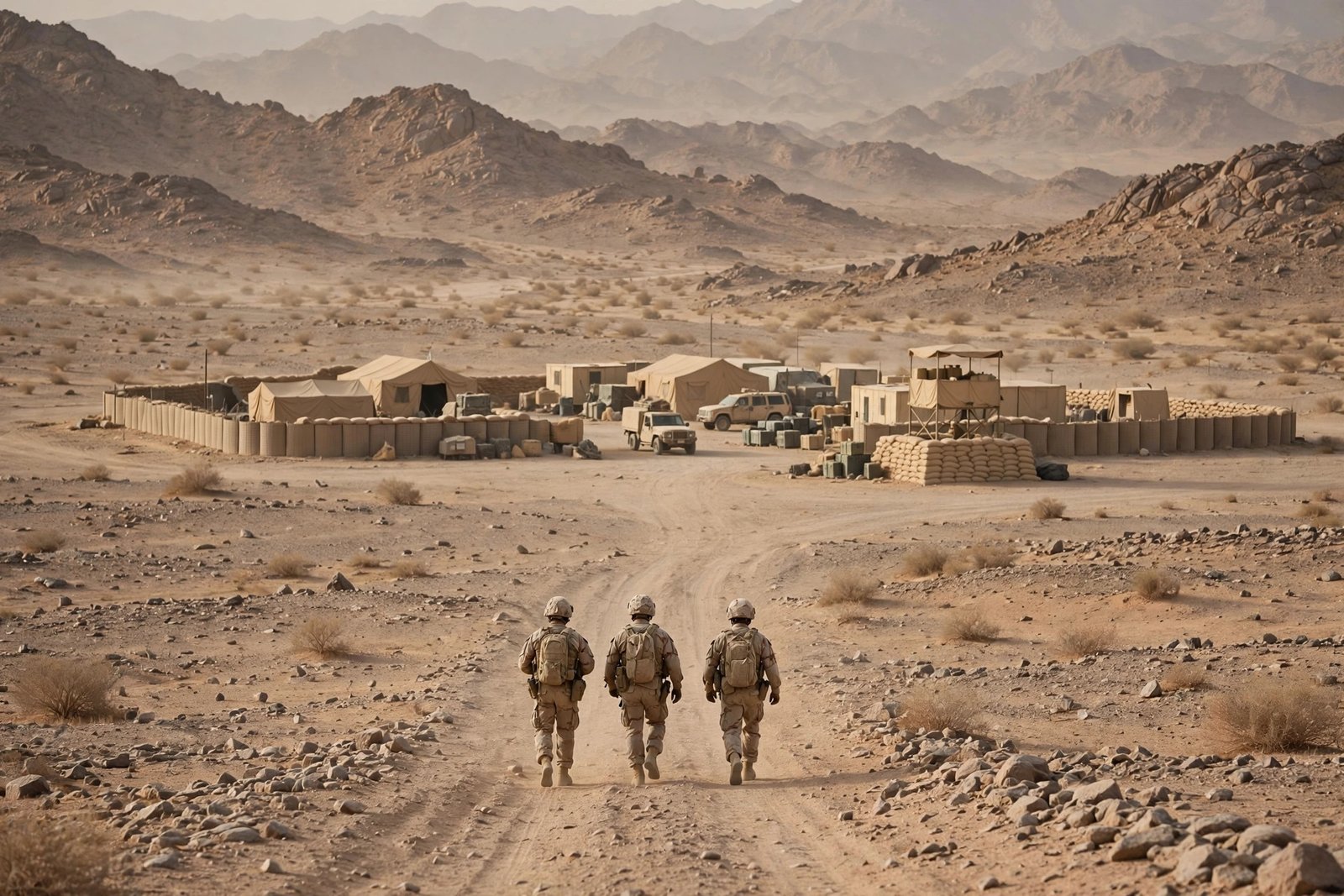
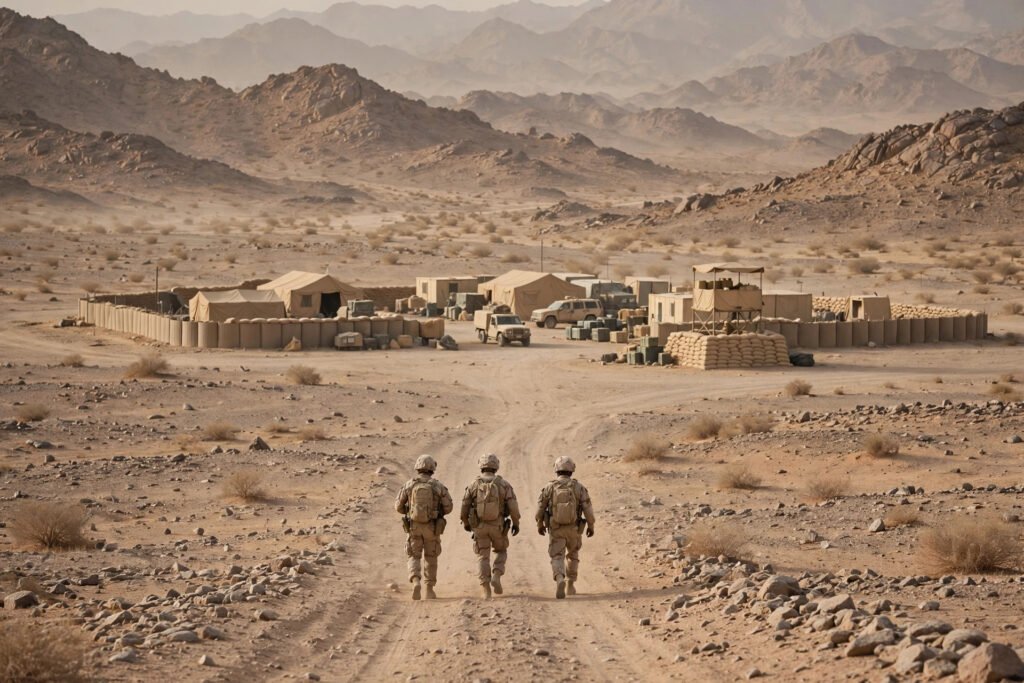
Pakistani troops in Saudi Arabia are back in the headlines after Pakistan’s military officially confirmed their presence and a new trilateral defence pact was invoked for the first time. The confirmation came amid escalating attacks on the kingdom by Yemen’s Houthi rebels, and it marks the first operational test of the Makkah Joint Defence Agreement signed by Pakistan, Saudi Arabia and Türkiye. Here is the full account of the Pakistani troops Saudi Arabia deployment: what has been officially confirmed — and what remains undisclosed.
Pakistani Troops Saudi Arabia: The Official Confirmation
On 8 October 2026, Director General of Inter-Services Public Relations (ISPR) Lieutenant General Ahmed Sharif Chaudhry told CNN that Pakistani forces were already in Saudi Arabia — and had been for decades. “I can confirm that the forces of Pakistan are already there,” he said, adding that the contingents belonged to multiple capabilities and domains. He declined to go into operational detail, noting that such matters are not made public.
A day later, Foreign Ministry spokesman Sajjad Haider Khan told reporters in Islamabad that a significant number of Pakistani troops and resources were stationed in Riyadh. He stressed that their mission was purely defensive: they would defend the kingdom’s territory but would not cross the border to attack Houthi targets in Yemen.
The Makkah Joint Defence Agreement
The deployment sits under a new trilateral framework. On 7 August 2026, Crown Prince Mohammed bin Salman, Turkish President Recep Tayyip Erdogan and Prime Minister Shehbaz Sharif signed the Makkah Joint Defence Agreement in the Saudi holy city. Its core clause is collective defence: an armed attack on any one member is treated as an attack on all three.
The pact builds on a bilateral Pakistan–Saudi strategic mutual defence agreement concluded in September 2025. On 5 October 2026, the alliance’s Strategic-Political and Defence Committee held an emergency meeting in Riyadh, after which the three countries announced they would move agreed forces and capabilities into the kingdom rapidly. The same meeting appointed Lt Gen (retd) Nauman Mahmood as the alliance’s first secretary-general for a three-year term.
Why Now: The Houthi Attacks
The trigger is a sharp escalation by Yemen’s Iran-backed Houthis. The three countries’ joint statement condemned the attempted targeting of Makkah and Madinah — including an attempted drone attack on Makkah and a drone strike on a grid station in Madinah — as well as continuing strikes on Saudi cities, civilian sites and economic facilities. The Houthis announced a maritime ban on Saudi shipping in July 2026 and have since struck tankers and oil facilities.
Pakistan has condemned the strikes repeatedly. For readers following the wider regional picture, see our coverage of the Strait of Hormuz tensions, which involve the same web of Gulf security rivalries.
A Decades-Old Military Relationship
Pakistani soldiers are no strangers to the kingdom. Contingents have served there for decades, including a deployment during the 1990–91 Gulf crisis. What is new is the formal trilateral structure and its collective-defence clause, which goes beyond the training and advisory roles of the past. Analysts note the contrast with 2015, when Pakistan’s parliament voted to stay out of the Saudi-led intervention in Yemen — this time, the deployment flows from a signed treaty commitment rather than a parliamentary vote.
What Has Not Been Disclosed
Officials have not said how many troops are involved, which units they belong to, or what equipment — beyond references to air defence capabilities in some reports — has been committed. Unconfirmed figures have circulated in regional media, but neither Islamabad nor Riyadh has validated any number. The government has also not detailed the rules of engagement beyond the “defensive only” assurance.
What Happens Next
The alliance’s machinery is now active, and further meetings of its defence committee are expected as the Houthi threat evolves. For Pakistan, the deployment deepens a security partnership that spans diplomacy, energy and the welfare of millions of Pakistani workers in the kingdom. Whether it draws Pakistan deeper into a regional confrontation — or succeeds as deterrence that prevents one — is the question now facing policymakers in Islamabad, Riyadh and Ankara.
Follow our Pakistan News section for updates. The DG ISPR’s remarks were reported in detail by LHR Times.